
No products in the cart.
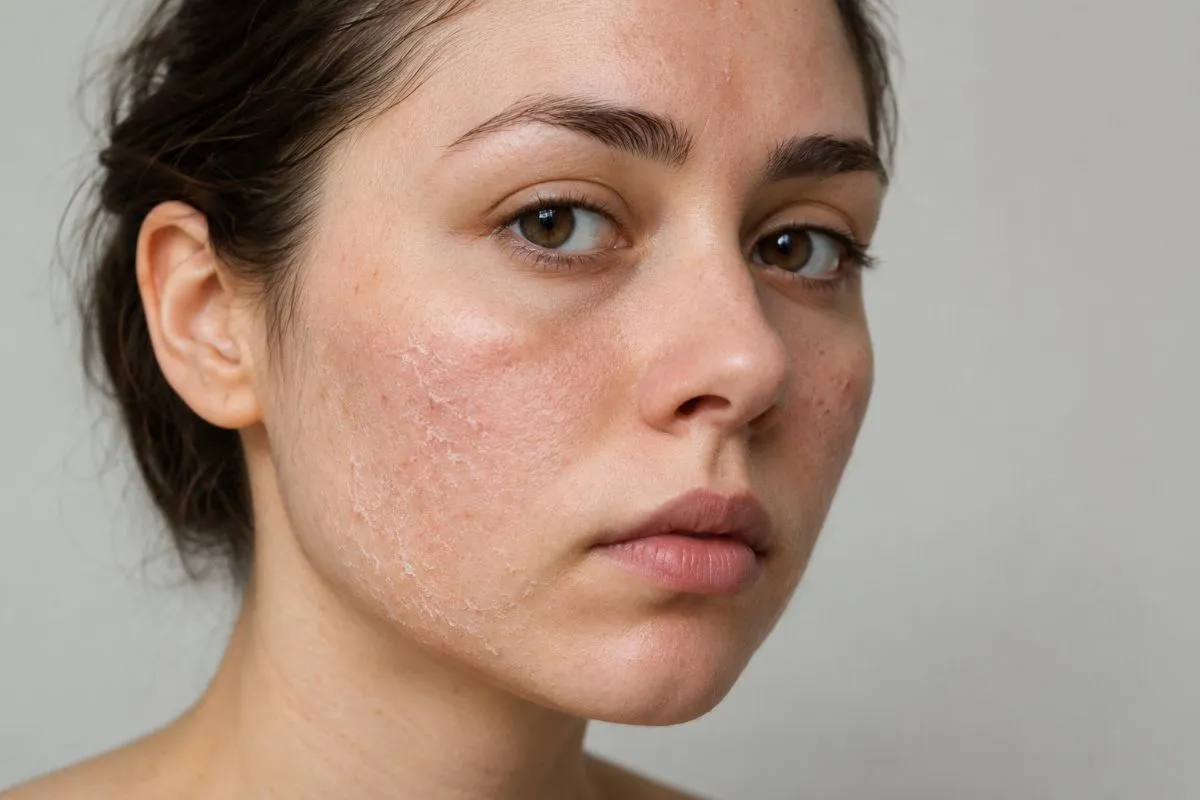
A patchy face can make your complexion look dull and uneven, especially when rough patches on skin appear around the cheeks, forehead, nose, or chin. Whether you are dealing with dryness, uneven-looking tone, or a stubborn patch on skin, a gentle herbal mask can help soften the skin, refresh dull areas, and support a healthier-looking glow without relying on harsh scrubs.
But which homemade mask should you actually use? Turmeric, rose, oatmeal, aloe vera, saffron, honey, and yogurt all appear in traditional beauty remedies, yet each works differently. The secret is choosing ingredients according to what your skin needs. Below are simple herbal mask recipes for a patchy face, including options for dryness, dullness, uneven tone, and sensitive-looking skin.
Why Do Rough Patches on Skin Appear?
Before trying a mask, remember that rough patches on skin can have several causes. Common cosmetic causes include dryness, dead surface-cell buildup, over-cleansing, sun exposure, post-acne marks, and irritation from unsuitable skincare.
A patch on skin that feels dry may need hydration, while darker-looking areas may need a gentler brightening routine and consistent sun protection.
If a patch is painful, severely itchy, spreading, scaly, bleeding, or changing noticeably, it is better to consult a dermatologist rather than treating it only with homemade masks.
Now, onto the good stuff—the masks.
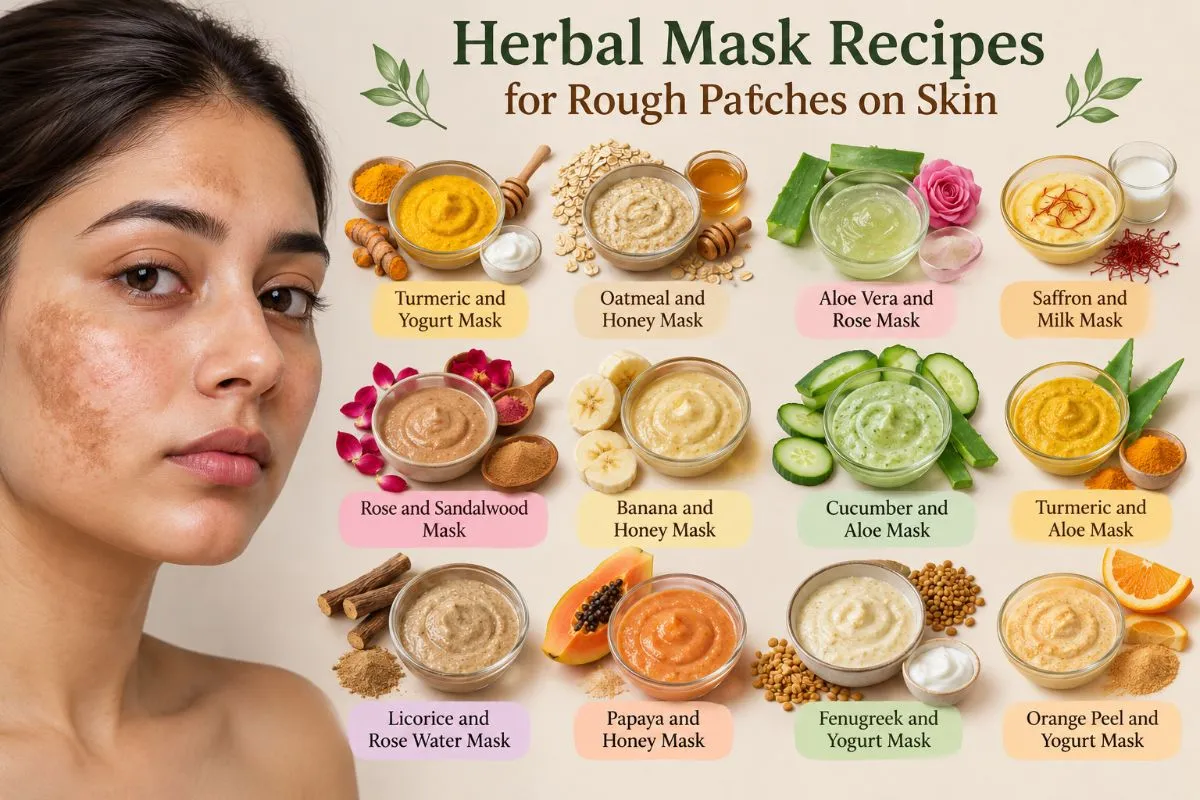
1. Turmeric and Yogurt Mask for a Patchy Face
Turmeric is one of the most recognizable herbs in traditional South Asian skincare. Combined with yogurt, it creates a creamy mask that works especially well for skin that looks dull or uneven.
Ingredients
- 1 teaspoon plain yogurt
- ¼ teaspoon turmeric powder
- ½ teaspoon honey
How to Prepare
Mix all the ingredients in a small bowl until you have a smooth paste.
Apply a thin, even layer to clean skin. Leave it on for around 10 minutes before rinsing gently with lukewarm water.
Why This Mask Works
Yogurt naturally contains lactic acid, which can provide gentle surface exfoliation, while turmeric contains antioxidant plant compounds. Honey helps make the mixture feel more conditioning on dry skin.
This combination can be particularly useful when a patchy face looks dull rather than severely irritated. Avoid using excessive turmeric because it may temporarily stain the skin.
Best for: Dull, uneven-looking skin and mild roughness.
2. Oatmeal and Honey Mask for Rough Patches on Skin
When rough patches on skin come with dryness or sensitivity, exfoliating aggressively is usually the last thing your skin needs.
Oatmeal is a much gentler option.
Ingredients
- 1 tablespoon finely ground oats
- 1 teaspoon honey
- 1–2 teaspoons lukewarm water or milk
How to Prepare
Mix the ground oatmeal with honey and enough liquid to form a soft paste. Apply it gently over the face without scrubbing. Leave the mask on for approximately 10–15 minutes, then rinse it away using lukewarm water.
Why This Mask Works
Oatmeal is commonly used in soothing skincare because it can help support dry, uncomfortable-feeling skin. Honey acts as a humectant, helping attract moisture. This makes it one of the simplest masks for patches of dry skin.
Do not scrub the oats vigorously across your face. Let the mask sit and soften the skin instead.
Best for: Dryness, sensitivity, and rough texture.
3. Aloe Vera and Rose Mask for Patchy Dry Skin
If your main concern is patchy dry skin, hydration should take priority over strong brightening ingredients. Aloe vera and rose make a simple, refreshing combination.
Ingredients
- 1 tablespoon pure aloe vera gel
- 1 teaspoon rose water
- ½ teaspoon honey
How to Prepare
Mix aloe vera gel with rose water and honey. Apply a light layer to clean skin and leave it on for around 10–15 minutes. Then rinse gently and follow with moisturizer.
Why This Mask Works
Aloe vera provides a cooling, soothing feel, while rose water makes the mixture refreshing. Honey helps retain moisture. The result is a gentle mask that can be useful when a patch on skin feels dry, tight, or uncomfortable.
If using fresh aloe directly from a plant, make sure the yellow latex is thoroughly removed because it may irritate the skin.
Best for: Dehydrated or dry-looking skin.
4. Saffron and Milk Mask for Dull, Uneven Skin
Saffron has been used in traditional beauty rituals for generations and continues to appear in modern botanical skincare. This simple recipe is designed primarily for radiance.
Ingredients
- 3–4 saffron strands
- 1 tablespoon milk
- ½ teaspoon honey
How to Prepare
Soak the saffron strands in milk for around 10–15 minutes. Add honey and mix gently. Apply the mixture to the face using clean fingertips or a mask brush. Leave it for approximately 10 minutes before rinsing.
Why This Mask Works
Saffron contains antioxidant plant compounds, while milk contains naturally occurring lactic acid. Honey adds a conditioning effect. This makes the mask suitable when a patchy face looks tired, dull, or uneven.
People with milk sensitivity or very reactive skin should choose a different recipe.
Best for: Dull-looking complexion and gentle radiance.
5. Rose and Sandalwood Mask for a Patchy Face
Rose and sandalwood are classic ingredients in traditional skincare. This mask is especially appealing when the face looks dull and feels slightly oily.
Ingredients
- 1 teaspoon sandalwood powder
- 1–2 teaspoons rose water
- ½ teaspoon aloe vera gel
How to Prepare
Mix sandalwood powder and rose water into a smooth paste. Add aloe vera gel and combine well. Apply evenly and leave the mask on for around 10 minutes. Rinse before the mask becomes excessively dry or uncomfortable.
Why This Mask Works
Sandalwood has long been included in traditional skincare preparations, while rose water and aloe vera provide a refreshing, soothing feel.
A balanced mask like this may help improve the temporary appearance of a patchy face without aggressive exfoliation.
Best for: Normal, combination, and dull-looking skin.
6. Banana and Honey Mask for Patches of Dry Skin
Sometimes the best mask for uneven texture is not a brightening mask at all.
If patches of dry skin are causing your complexion to look uneven, a nourishing mask can make the skin appear softer and smoother.
Ingredients
- ¼ ripe banana
- 1 teaspoon honey
- ½ teaspoon plain yogurt
How to Prepare
Mash the banana thoroughly until smooth. Add honey and yogurt and mix well. Apply the mask to clean skin and leave it on for 10–15 minutes. Rinse gently with lukewarm water.
Why This Mask Works
Banana provides a creamy, conditioning base, honey helps retain moisture, and yogurt adds mild exfoliating properties.
This can help improve the feel of a dry patch on skin without harsh scrubbing.
Best for: Dry, flaky, or tight-feeling skin.
7. Cucumber and Aloe Mask for Sensitive Rough Patches on Skin
If your rough patches on skin appear after exposure to heat, dryness, or an overly complicated skincare routine, simplicity is often best.
Ingredients
- 1 tablespoon finely grated cucumber
- 1 tablespoon aloe vera gel
- ½ teaspoon rose water
How to Prepare
Mix all three ingredients together. Apply the mixture to the face and leave it on for about 10 minutes. Rinse gently using cool or lukewarm water.
Why This Mask Works
Cucumber has a naturally refreshing feel, while aloe vera helps soothe the skin. Unlike masks based around aggressive exfoliation, this recipe focuses primarily on comfort.
Best for: Sensitive-looking, warm, or uncomfortable skin.
8. Turmeric and Aloe Mask for Uneven-Looking Skin
If yogurt feels too heavy for your skin, turmeric can also be paired with aloe vera.
Ingredients
- 1 tablespoon aloe vera gel
- A small pinch of turmeric
- ½ teaspoon honey
How to Prepare
Mix everything until evenly combined. Apply a thin layer to clean skin. Leave it for around 8–10 minutes and rinse thoroughly.
Why This Mask Works
The combination gives you antioxidant-rich turmeric alongside soothing aloe and moisture-supporting honey.
It can be a useful choice when a patchy face needs refreshing but also feels slightly dry. Keep the amount of turmeric small.
Best for: Normal to combination skin with uneven-looking tone.
9. Licorice and Rose Water Mask for a Dark-Looking Patch on Skin
Licorice root is widely used in modern brightening skincare and is one of the more interesting botanical ingredients for uneven-looking tone.
Ingredients
- ½ teaspoon cosmetic-grade licorice root powder
- 1 teaspoon aloe vera gel
- Rose water as needed
How to Prepare
Mix the licorice powder with aloe vera gel. Add a few drops of rose water until you achieve a spreadable consistency. Apply evenly rather than using a thick amount only over one patch on skin. Leave it on for around 10 minutes, then rinse gently.
Why This Mask Works
Licorice contains botanical compounds frequently used in skincare products for uneven-looking tone. Aloe and rose help make the mixture gentler and more comfortable.
Only use cosmetic-grade powders intended for skincare.
Best for: Dullness and uneven-looking tone.
10. Papaya and Honey Mask for Rough-Looking Texture
Papaya is often used in DIY skincare because it naturally contains enzymes that can help loosen surface buildup.
Because it is more active than ingredients such as oatmeal, it should be used carefully.
Ingredients
- 1 tablespoon ripe mashed papaya
- 1 teaspoon honey
- 1 teaspoon plain yogurt, optional
How to Prepare
Mash the papaya thoroughly. Mix with honey and yogurt if desired. Apply a thin layer for approximately 5–8 minutes before rinsing. Do not scrub while removing it.
Why This Mask Works
Papaya contains the enzyme papain, while yogurt contains lactic acid. Together, they provide more exfoliating activity than many of the other recipes on this list.
That may help when rough patches on skin are caused mainly by dull surface buildup. However, avoid this mask on irritated, broken, or highly sensitive skin.
Best for: Dull, rough texture.
11. Fenugreek and Yogurt Mask for Patchy Dry Skin
Fenugreek has a long history in traditional South Asian wellness and beauty routines.
Its soaked seeds create a soft paste that pairs nicely with yogurt.
Ingredients
- 1 teaspoon fenugreek seeds
- 1 tablespoon plain yogurt
- ½ teaspoon honey
How to Prepare
Soak fenugreek seeds overnight. Grind them into a smooth paste and mix with yogurt and honey. Apply gently and leave for about 10 minutes. Rinse thoroughly.
Why This Mask Works
The creamy mixture can be useful for patchy dry skin because it provides conditioning ingredients without requiring vigorous scrubbing.
Make sure the seeds are ground very finely before using them on your face.
Best for: Dry, dull-looking skin.
12. Orange Peel and Yogurt Mask for a Dull Patchy Face
Orange peel powder is popular in traditional face packs because it provides both botanical antioxidants and mild exfoliating properties.
Ingredients
- ½ teaspoon cosmetic-grade orange peel powder
- 1 tablespoon plain yogurt
- ½ teaspoon honey
How to Prepare
Combine the ingredients until smooth. Apply a thin layer and leave it for 5–10 minutes. Rinse gently without scrubbing.
Why This Mask Works
Orange peel powder and yogurt can help lift dull surface buildup, while honey gives the mask a softer feel.
This recipe may be useful when your patchy face looks more dull than dry. However, avoid using fresh lemon or concentrated citrus juice as a substitute. Those can be much more irritating.
Best for: Dull, normal, or combination skin.
Important Tips Before Using Homemade Herbal Masks
Homemade masks can be simple and enjoyable, but natural ingredients can still irritate the skin.
Follow these basic precautions:
- Patch-test a new mixture before using it over your entire face.
- Never apply a mask to broken or severely irritated skin.
- Avoid aggressive scrubbing.
- Use clean bowls, spoons, and applicators.
- Prepare fresh masks rather than storing homemade mixtures for long periods.
- Rinse immediately if you experience strong burning or irritation.
- Moisturize after using a mask if your skin feels dry.
- Wear sunscreen during the daytime, especially when working on uneven-looking tone.
If rough patches on skin persist despite gentle skincare, consider consulting a dermatologist.
How Often Should You Use a Herbal Mask?
For most homemade herbal masks, once or twice a week is usually enough. However, frequency depends on your skin type and the ingredients used.
Hydrating options such as oatmeal, aloe, or honey are generally gentler than more exfoliating recipes containing papaya, yogurt, or orange peel.
If rough patches on skin become tighter, redder, or more sensitive after using masks, stop and allow your skin barrier to recover. More masking does not automatically mean faster results.
Give Your Patchy Face a More Balanced Botanical Routine
Homemade recipes can be useful when you want a simple skincare ritual, but creating and measuring ingredients every time is not always practical.
If you prefer ready-to-use botanical skincare, exploreHudira Organic Products.
Hudira combines traditionally loved botanical ingredients with convenient modern skincare, making it easier to care for a dull patchy face, uneven-looking complexion, and rough patches on skin without mixing a new kitchen recipe every week.
Explore Hudira’s botanical face masks and organic skincare collection to discover a simple, nourishing ritual designed to leave your skin looking fresh, cared for, and naturally radiant.
FAQs
Q. How to fix uneven skin tone on face naturally?
Focus on consistency. Use a gentle cleanser, moisturizer, broad-spectrum sunscreen, and suitable brightening or hydrating skincare. Herbal masks containing ingredients such as turmeric, licorice, aloe vera, rose, or saffron can complement the routine, but they should not replace daily sun protection.
Q. What is the best mask for rough patches on skin?
For rough patches on skin caused mainly by dryness, an oatmeal and honey mask is one of the gentlest homemade options. Aloe vera, banana, and honey can also help dry skin feel softer. Persistent or inflamed rough patches should be professionally evaluated.
Q. Can I apply a herbal mask directly to one patch of skin?
You can apply a gentle mask to the face, but repeatedly treating just one patch on skin with strong ingredients may cause irritation. If a patch is persistent, itchy, scaly, painful, or changing, consult a dermatologist rather than continuing DIY treatments.


Add comment