
No products in the cart.
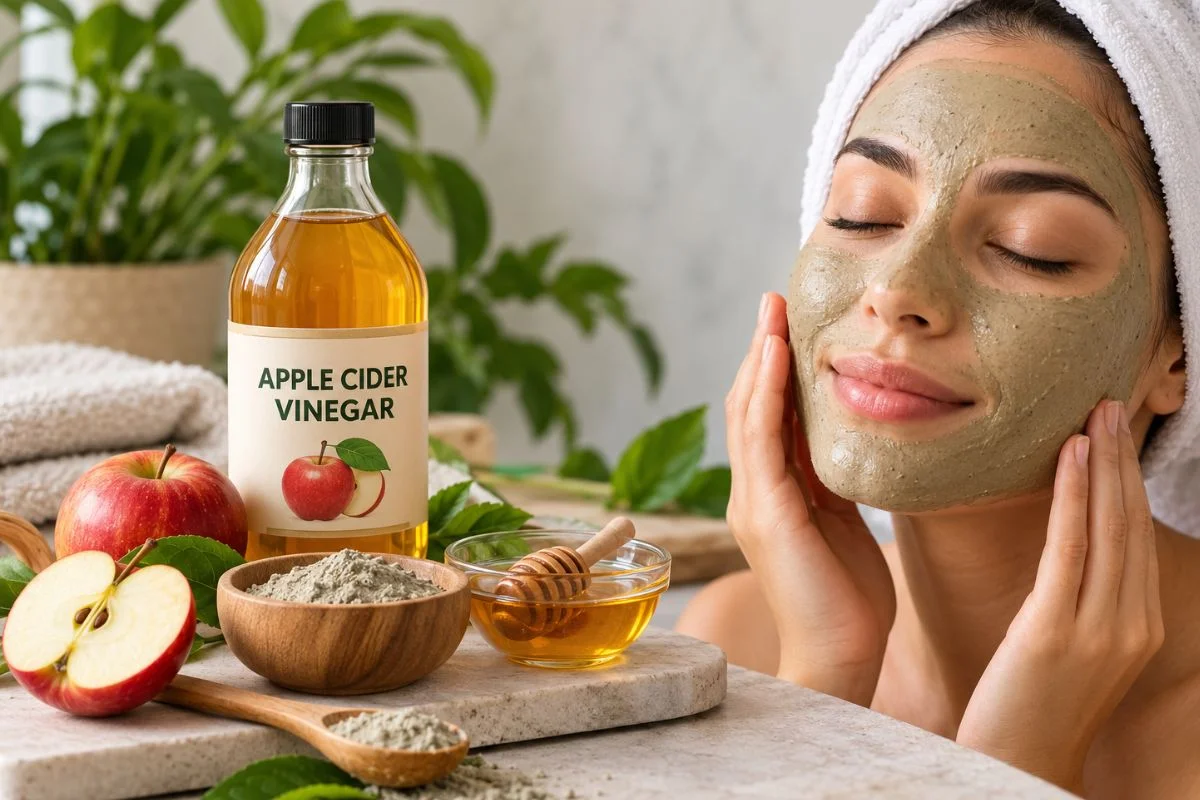
An apple vinegar face mask has become a popular natural skincare idea for people who want fresher-looking, smoother, and less oily skin without turning their routine into something complicated. Apple cider vinegar contains acetic acid and naturally occurring organic acids, which is why it often appears in DIY beauty routines. Still, using it on facial skin requires care. A face mask with apple cider vinegar should always be approached with proper dilution, a patch test, and realistic expectations, especially if your skin is sensitive, dry, irritated, or acne-prone.
What makes this simple ingredient so fascinating is that it can feel powerful and surprisingly versatile, yet the difference between a smart routine and an irritating one often comes down to the way you use it. Is apple cider vinegar for face mask routines genuinely helpful, or has social media made it sound better than it really is? And can an apple cider vinegar mask for face concerns like oiliness, dullness, or breakouts actually fit into a healthy skincare routine? The answer is more interesting than a simple yes or no.
What Is an Apple Vinegar Face Mask?
This DIY mask is a homemade facial treatment that uses diluted apple cider vinegar alone or combines it with skin-friendly ingredients such as honey, oatmeal, aloe vera, or clay. The goal is usually to refresh the skin, remove surface buildup, reduce an oily appearance, or give dull skin a cleaner look.
The active component people care about most is acetic acid. Apple cider vinegar may also contain small amounts of other organic acids depending on how it is produced. These acids may help loosen surface debris, but they can also irritate skin when used at an unsuitable concentration.
That is why any vinegar-based facial treatment should be mild, properly diluted, and used for a short period rather than treated like a professional chemical peel.
It is also important to remember that “natural” does not automatically mean gentle. Apple cider vinegar has a low pH, and undiluted vinegar can sting or damage the skin barrier. A safe approach to apple cider vinegar for face mask use matters far more than making the mixture as strong as possible.
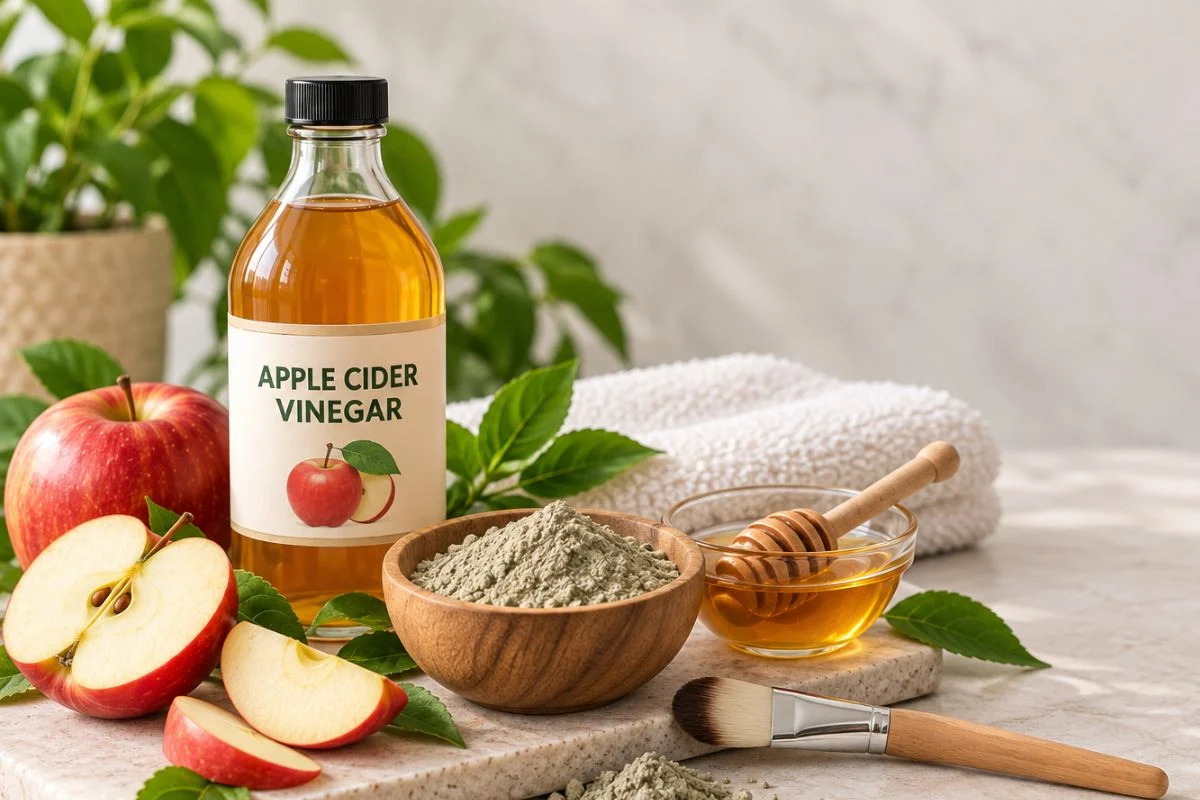
Potential Benefits of an Apple Vinegar Face Mask
1. May Help Remove Surface Buildup
One reason people enjoy this vinegar-based mask is the fresh feeling it can leave behind. Mild acids can help loosen dead surface cells and residue that may make skin appear rough, congested, or tired. A carefully diluted face mask with apple cider vinegar may therefore leave the skin feeling smoother for some users.
The important word here is may. The effect is primarily cosmetic and temporary, but smoother surface texture can make the complexion look fresher and more radiant.
2. May Suit Oily-Looking Skin
People with oily complexions are often drawn to apple cider vinegar for face mask recipes because acidic ingredients can create a clean, less greasy feeling after rinsing.
However, oily skin does not need to be aggressively stripped. Removing too much natural oil can leave the face feeling tight, irritated, and uncomfortable. For that reason, an apple cider vinegar mask for face oiliness should be gentle and followed by a lightweight, non-comedogenic moisturizer.
3. May Refresh Dull-Looking Skin
A dull complexion can result from dehydration, dead skin buildup, stress, sun exposure, lack of sleep, or an inconsistent skincare routine.
Gentle exfoliation may help reveal a brighter-looking surface. That does not mean apple cider vinegar permanently whitens or bleaches the skin. Instead, a mild ACV mask may make the surface look cleaner and more refreshed when used cautiously.
4. Works Well With Simple Soothing Ingredients
A face mask with apple cider vinegar does not need to contain only vinegar and water.
Ingredients such as:
- Aloe vera
- Plain honey
- Colloidal oatmeal
- Plain yogurt
- Bentonite clay
are commonly paired with it in DIY skincare. However, adding more ingredients does not automatically make a mask better. Simpler recipes are usually easier to tolerate and make it easier to identify which ingredient causes irritation if a reaction occurs.
Can Apple Cider Vinegar Help With Acne?
This is one of the biggest reasons people become interested in ACV skincare. Apple cider vinegar has antimicrobial properties largely because of its acetic acid content. However, laboratory antimicrobial activity does not automatically make something a clinically proven acne treatment when applied to human skin.
Acne can develop because of several factors, including:
- Blocked pores
- Excess sebum
- Inflammation
- Hormonal changes
- Acne-associated bacteria
- Genetics
An apple cider vinegar mask for face breakouts may make oily skin feel cleaner, but it should not be expected to replace proven acne treatments.
Ingredients such as salicylic acid, benzoyl peroxide, adapalene, azelaic acid, and prescription treatments have stronger evidence for acne management. If your acne is painful, cystic, persistent, spreading, or causing scars, professional advice is a much smarter choice than making a DIY mask stronger.
Gentle Apple Cider Vinegar and Honey Face Mask Recipe

If you want to experiment with apple cider vinegar for face mask use at home, simplicity is your friend.
Ingredients
- 1 teaspoon plain or raw honey
- 1 teaspoon aloe vera gel or water
- About ¼ teaspoon apple cider vinegar for an initial trial
How to Prepare It
Mix the ingredients in a clean bowl until the texture becomes smooth and easy to spread. Apply a thin layer to clean skin.
Avoid:
- The eye area
- Lips
- Cuts
- Open pimples
- Recently shaved skin
- Irritated patches
Leave the mixture on for approximately 5 minutes during your first use. Then rinse thoroughly with cool or lukewarm water and apply a gentle moisturizer.
This type of apple cider vinegar mask for face use is intentionally mild. Using more vinegar or leaving the mask on longer does not necessarily produce better results.
Apple Cider Vinegar for Clay Mask: Is It a Good Idea?
Using apple cider vinegar for clay mask recipes has become especially popular with bentonite clay. Vinegar reacts with the clay and can produce a smoother mixture that is easier to spread.
However, there is a catch. Clay can already absorb surface oil and leave skin feeling dry. Combining a drying clay with an acidic ingredient can make the mask significantly more intense. If you want to prepare this clay-and-vinegar mixture, do not assume that strong tingling, burning, or dramatic redness means the treatment is “working.”
Those symptoms can indicate irritation. People with dry or sensitive skin may be better off mixing clay with water or a gentler hydrating base instead.
Who Should Avoid a Face Mask With Apple Cider Vinegar?
A face mask with apple cider vinegar is not appropriate for everyone. You should be particularly careful or avoid it if your skin is:
- Very sensitive
- Sunburned
- Cracked
- Peeling
- Experiencing eczema or dermatitis
- Irritated from active skincare ingredients
- Recently treated with a chemical peel, laser, or similar procedure
- Covered with open or picked acne lesions
People using strong skincare actives should also proceed carefully. Combining apple cider vinegar with retinoids, glycolic acid, lactic acid, salicylic acid, or other exfoliating treatments in the same routine can increase irritation.
How to Use Apple Cider Vinegar for Face Mask Routines Safely
- Use apple cider vinegar conservatively in face mask routines rather than applying it aggressively.
- Always dilute apple cider vinegar before applying it to your face, as this may help reduce irritation.
- Patch-test the diluted formula on a small area first and watch for redness, burning, swelling, itching, or a rash.
- If a reaction develops, rinse the area and do not continue using the mask.
- Keep the contact time short; around five minutes is enough for a first trial.
- Rinse immediately if you experience persistent stinging or burning instead of trying to push through it.
- After rinsing, apply a gentle moisturizer containing ingredients such as glycerin, ceramides, squalane, panthenol, or hyaluronic acid. During the daytime, use a broad-spectrum sunscreen with SPF 30 or higher.
- Do not use an acidic DIY mask every day; occasional use is a more sensible approach.
Final Thoughts: Should You Try an Apple Vinegar Face Mask?
An apple vinegar face mask can be an interesting addition to a natural skincare routine, but it deserves respect rather than hype. Apple cider vinegar is acidic, meaning stronger concentrations, longer application times, and more frequent treatments do not automatically produce better skin.
Natural skincare can be wonderfully effective when ingredients are selected thoughtfully and used with balance.
Discover Thoughtful Natural Skincare With Hudira
If you love botanical skincare but prefer products that take the guesswork out of DIY mixing, explore Hudira organic products. Discover carefully selected natural skincare designed to support different skin needs while turning your everyday routine into a gentler, more enjoyable self-care experience.
FAQs
Q. Can I Use an Apple Vinegar Face Mask Every Day?
No. Daily use can increase the likelihood of dryness, sensitivity, and irritation because apple cider vinegar is acidic. Occasional use is a more cautious approach, particularly when you are trying it for the first time.
Q. Is a Face Mask With Apple Cider Vinegar Good for Oily Skin?
It may temporarily make oily skin feel cleaner and help remove surface buildup. However, excessive use can leave skin feeling stripped or uncomfortable. Maintaining hydration is still important even when your complexion is oily.
Q. How Long Should I Leave Apple Cider Vinegar Face Mask on My Skin?
For a first trial, approximately five minutes is enough. Do not wait for intense burning or stinging. If discomfort becomes noticeable, rinse the mixture off immediately with cool or lukewarm water.
Q. Can I Mix Apple Cider Vinegar With Bentonite Clay?
Yes, the combination is commonly used in DIY masks, but it can be drying and irritating for some skin types. Keep the formula mild, patch test first, avoid prolonged contact, and discontinue use if significant redness or burning develops.


Add comment