
No products in the cart.
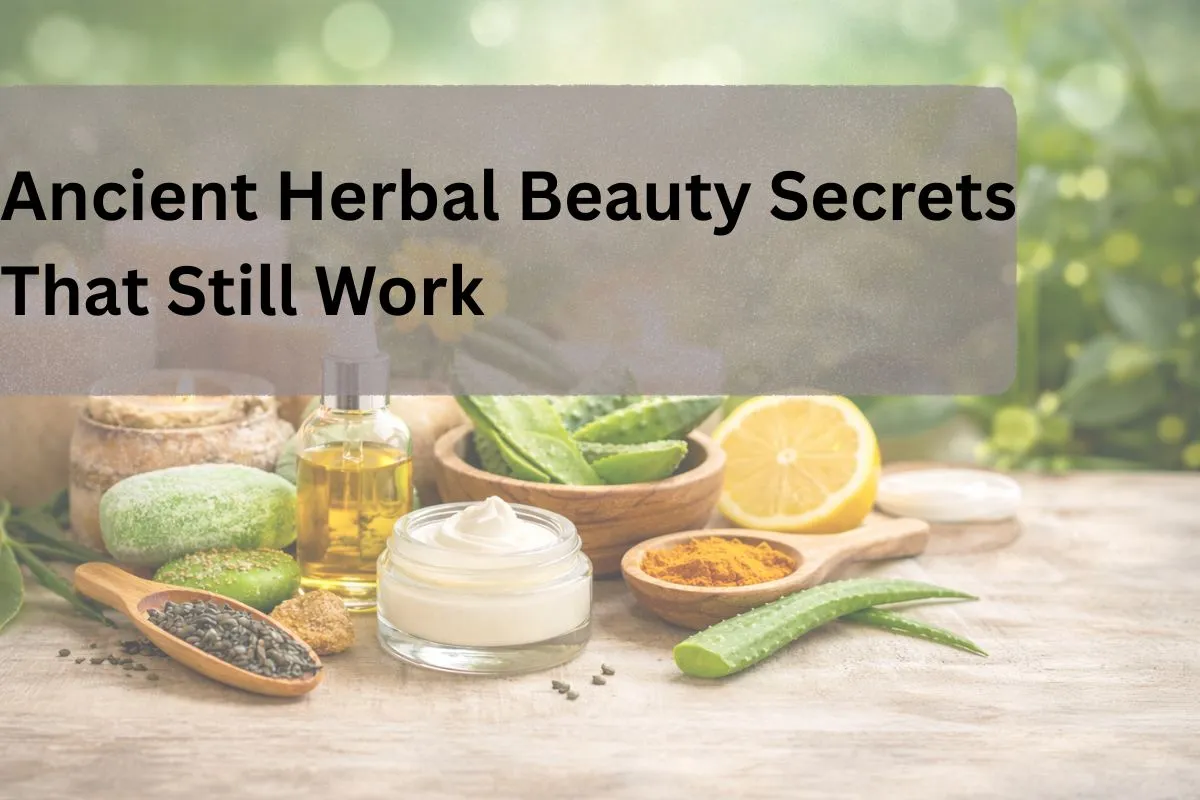
For centuries, women and men across civilizations trusted ancient skincare methods to care for their skin using nature’s purest ingredients. Long before chemical-laden products filled modern shelves, people relied on herbs, oils, clays, and botanical extracts to nourish, heal, and protect their skin. These holistic beauty rituals were not just about appearance, they were deeply rooted in wellness, balance, and harmony with nature. Today, as more people turn toward clean beauty, the wisdom of ancient skin care is making a powerful comeback.
But here’s something fascinating, while some ancient beauty secrets faded over time, many still deliver real, visible results even today. Why did these rituals survive generations? And which of these timeless practices truly work for modern skin? The answers might surprise you and once you discover them, your skincare routine may never be the same again.
Why Ancient Skincare Still Matters Today
The effectiveness of ancient skincare lies in its simplicity and connection to nature. These practices focused on gentle, nourishing ingredients that supported the skin’s natural barrier rather than damaging it. Unlike many modern products filled with harsh chemicals, ancient skin care methods emphasized balance, hydration, and long-term skin health.
Another reason it remains relevant is their adaptability. Ingredients like turmeric, rose water, and aloe vera are not only natural but also scientifically recognized for their skin benefits today. These secrets continue to inspire modern formulations, proving that tradition and innovation can beautifully coexist.
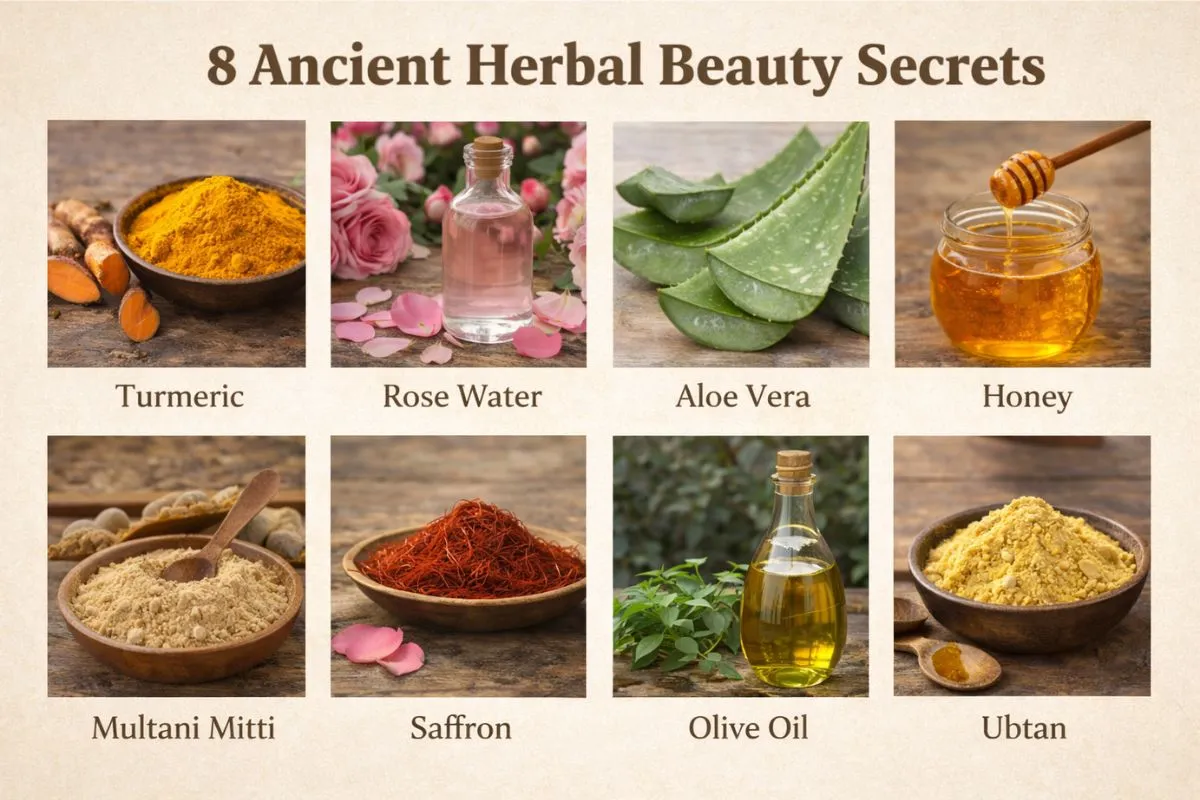
1. Turmeric – The Golden Glow Secret
Turmeric has been a cornerstone of ancient skincare for centuries, especially in South Asian cultures. Known for its bright yellow hue and healing properties, turmeric was used in bridal rituals to enhance glow and purify the skin. In traditional households, it was more than a beauty ingredient—it symbolized purity, protection, and renewal, often applied before important life events as part of sacred holistic beauty rituals.
In modern skin care, turmeric is valued for its anti-inflammatory and antibacterial properties. It helps reduce acne, brighten skin tone, and improve overall complexion.
Best for: Acne-prone and dull skin
How to use today: Mix turmeric with yogurt or honey for a gentle face mask
Tip: Always patch test to avoid staining or irritation
2. Rose Water – Nature’s Gentle Toner
Rose water has been used in ancient skincare traditions across Persia, Egypt, and the Indian subcontinent. It was cherished for its soothing fragrance and calming effect on the skin. In royal courts and traditional households alike, rose water symbolized elegance, purity, and self-care, often used in daily holistic beauty rituals as a refreshing and spiritually uplifting element
In modern skin care, rose water acts as a natural toner that hydrates, refreshes, and balances the skin’s pH. It’s one of the simplest yet most effective holistic beauty rituals you can adopt.
Best for: Sensitive and dry skin
How to use today: Apply as a toner or facial mist
Bonus: Helps reduce redness and irritation
3. Aloe Vera – The Healing Plant
Aloe vera has been a trusted ingredient in ancient skincare systems like Ayurveda and traditional Chinese medicine. It was often used to soothe burns, heal wounds, and hydrate the skin. In many ancient traditions, aloe vera was considered a “plant of immortality,” valued for its ability to restore and protect the skin naturally. It held a special place in holistic beauty rituals, where it was used as a cooling remedy in hot climates and as a healing treatment passed down through generations in ancient skin care practices.
Today, aloe vera remains a staple due to its cooling, moisturizing, and healing properties. It perfectly represents the essence of holistic beauty rituals gentle, natural, and effective.
Best for: Irritated, sunburned, or dehydrated skin
How to use today: Apply fresh aloe gel directly to the face
Tip: Use consistently for best results
4. Honey – The Natural Moisturizer
Honey has been used for thousands of years, especially in Egyptian, Greek, and Ayurvedic traditions. It was considered a sacred ingredient, often used not only for beauty but also for healing and preservation. Ancient Egyptians even used honey in skincare rituals for queens like Cleopatra, believing it could maintain youthful, glowing skin. Honey symbolized nourishment and natural healing, making it a trusted element in everyday skin care practices passed through generations.
In modern skin care, honey is valued for its ability to lock in moisture and fight acne-causing bacteria.
Best for: Dry and acne-prone skin
How to use today: Use raw honey as a face mask
Bonus: Leaves skin soft and radiant
5. Multani Mitti (Fuller’s Earth) – Deep Cleansing Clay
Multani mitti has been a vital part of South Asia for centuries. It was used to cleanse, detoxify, and refresh the skin naturally. Historically sourced from the region of Multan, this mineral-rich clay was prized for its cooling properties and was often applied in hot climates to soothe and purify the skin. It symbolized simplicity and natural healing, commonly used by both men and women as part of daily routines to maintain clear, balanced skin.
In ancient skin care, this clay absorbs excess oil and impurities, making it ideal for oily skin types. Among holistic beauty rituals, it remains a go-to solution for deep cleansing.
Best for: Oily and acne-prone skin
How to use today: Mix with rose water for a face pack
Tip: Avoid overuse to prevent dryness
6. Saffron – The Luxury Glow Enhancer
Saffron has long been associated with luxury in ancient skincare, especially in royal beauty routines. It was believed to brighten complexion and enhance skin radiance. In ancient traditions, saffron symbolized purity, richness, and vitality, making it a cherished ingredient.
In modern skin care, saffron is known for improving skin tone and reducing pigmentation.
Best for: Dull and uneven skin
How to use today: Soak saffron in milk and apply
Bonus: Enhances natural glow
7. Olive Oil – Deep Nourishment from Nature
Olive oil has been a key part of ancient skincare in Mediterranean cultures, especially in ancient Greece and Rome. It was often referred to as “liquid gold” and used by athletes, royals, and everyday people for skin nourishment and protection. In tradition, olive oil was massaged into the skin to maintain softness, elasticity, and a natural glow. Its long-standing role reflects a deep understanding of how natural oils support and strengthen the skin barrier.
Today, olive oil continues to play a role by providing deep hydration and nourishment. It aligns perfectly with focused on natural oils.
Best for: Dry and mature skin
How to use today: Use as a night moisturizer
Tip: Use sparingly to avoid clogged pores
8. Ubtan – Traditional Herbal Exfoliation
Ubtan is a classic blend, especially in South Asian traditions. Made from herbs, flours, and spices, it was used for cleansing and brightening the skin. For centuries, ubtan has been an essential part of pre-wedding rituals, symbolizing purification, celebration, and natural beauty. Families would prepare fresh ubtan using ingredients like turmeric, sandalwood, gram flour, and rose petals, making it a deeply personal and cultural element of holistic beauty. Its roots reflect a time when skincare was simple, communal, and connected to meaningful life moments.
Ubtan acts as a natural exfoliant that removes dead skin cells without harsh chemicals.
Best for: All skin types
How to use today: Use as a gentle scrub or mask
Bonus: Improves skin texture
Ancient Beauty Secrets That Need Caution
Not every ancient skincare practice is suitable for modern use. Some rituals used harsh or unsafe ingredients that may not be ideal today. While this skin care offers valuable insights, it’s important to adapt these practices with care.
Always:
- Patch test before using new ingredients
- Avoid overuse of strong herbs
- Choose clean, well-formulated products
This balanced approach ensures that holistic beauty rituals remain safe and effective.
Why Modern Herbal Products Are Better Than DIY
While DIY methods are appealing, modern formulations inspired by ancient skincare are often safer and more effective. They are carefully balanced, tested, and designed to deliver consistent results.
Hudira embraces these ancient beauty secrets while enhancing them with modern expertise. This allows you to enjoy the benefits without the risks of improper mixing or contamination.
Final Thoughts
The beauty of ancient skincare lies in its timeless wisdom. It reminds us that true skincare doesn’t have to be complicated. Nature has always provided powerful solutions, simple, effective, and deeply nourishing.
If you’re ready to embrace glowing, healthy skin the natural way, explore Hudira’s range of organic skincare products. Inspired by ancient beauty secrets and crafted with care, Hudira brings tradition and modern science together for your skin’s ultimate well-being.
FAQs
Q. What is ancient skincare?
Ancient skincare refers to traditional methods of caring for skin using natural ingredients like herbs, oils, and clays passed down through generations.
Q. Do ancient beauty secrets really work today?
Yes, many ancient beauty secrets are still effective because they use natural ingredients known for their proven skin benefits.
Q. Are holistic beauty rituals safe for all skin types?
Most holistic beauty rituals are gentle, but it’s important to patch test and choose ingredients suitable for your skin type.
Q. Can I use ancient skincare daily?
Yes, many ancient skin care practices like using rose water or aloe vera can be part of your daily routine.
Q. Why choose Hudira for herbal skincare?
Hudira combines ancient skincare wisdom with modern formulations to provide safe, effective, and organic skincare solutions.

2 comments
Pingback:
11 Natural Lip Scrubs for Soft, Smooth, Beautiful LipsPingback:
11 Natural Collagen Booster Remedies for Firm Glowing Skin