
No products in the cart.
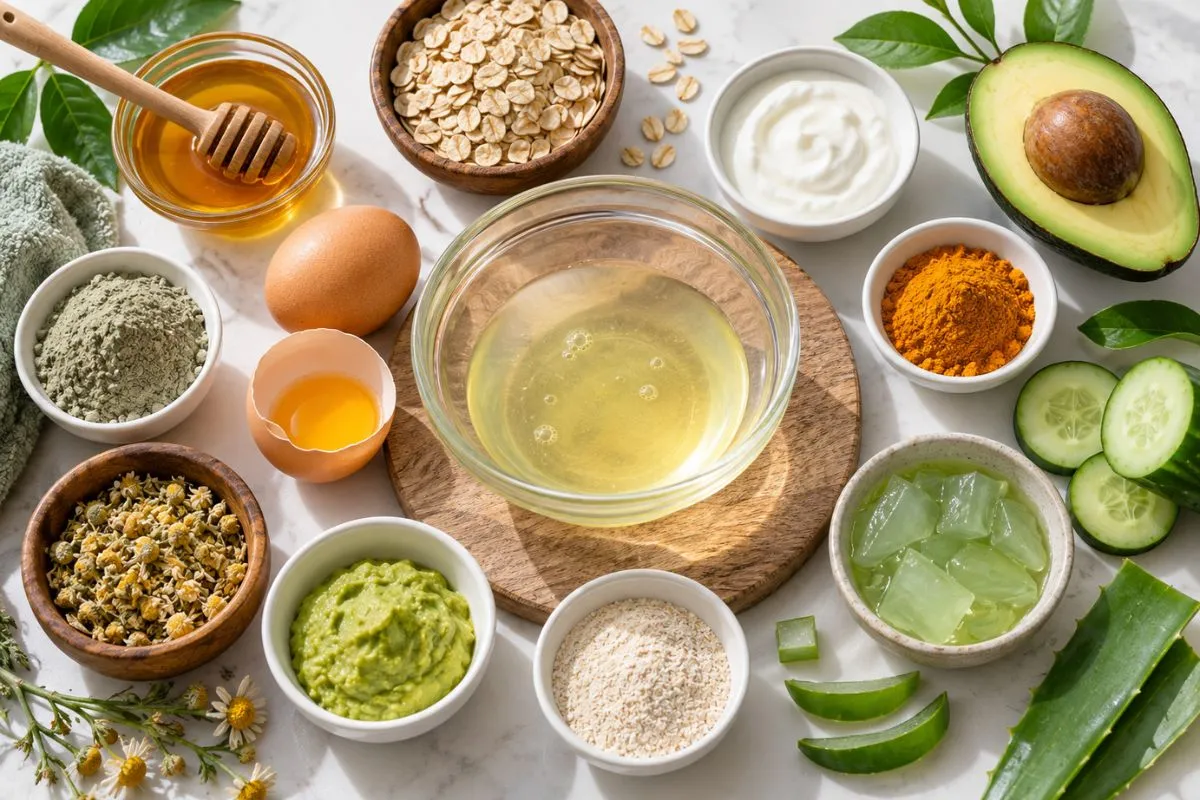
A mask with egg white has been a classic DIY beauty ritual for generations, but today’s skincare lovers want more than old kitchen remedies—they want to know what actually suits their skin. Egg whites dry into a thin film that can leave the face feeling temporarily firmer, fresher, and less oily. When paired thoughtfully with ingredients such as honey, oats, aloe vera, yogurt, cucumber, or avocado, a homemade mask can become a simple self-care treatment tailored to different skin needs.
But is every egg white facial mask recipe suitable for everyone? Not quite. An oily T-zone may respond very differently from dry, sensitive, or mature skin. Even the most natural egg mask for skin needs the right combination of ingredients, correct application time, and sensible precautions. Some popular DIY additions can actually irritate the face rather than improve it. So, which combinations are worth trying and which familiar kitchen ingredients are better left out? Keep reading, because the safest recipe for your skin may not be the one you expect.
Why Use a Mask With Egg White?
Egg white is mostly water and proteins. When applied to the face and allowed to dry, it forms a temporary film over the skin. This drying effect is one reason people often describe their skin as feeling tighter or smoother after rinsing it away.
However, it is important to keep expectations realistic. Egg white does not permanently shrink pores, erase wrinkles, cure acne, or rebuild damaged skin. Instead, a mask with egg white is best viewed as an occasional DIY skincare treatment that may temporarily reduce surface oil and create a fresh, tightened sensation.
Some commonly discussed egg white face mask benefits include:
- A temporary tightening sensation
- Reduced greasy or shiny appearance
- A smoother-feeling skin surface
- An inexpensive at-home skincare experience
- Easy pairing with nourishing ingredients
- A refreshing addition to an occasional self-care routine
The most useful egg white uses for face therefore come from combining it with ingredients selected according to your skin type rather than expecting plain egg white to perform like a professional skincare treatment.
Benefits of Egg White Facial Mask: What Can You Realistically Expect?
The benefits of egg white facial mask treatments are often exaggerated online. You may see claims that egg whites permanently close pores, remove deep wrinkles, eliminate acne, or lighten pigmentation overnight. Those promises are not realistic.
What egg white can do is much simpler.
As it dries, it contracts slightly on the skin. This creates the temporary firm feeling many people enjoy. It may also absorb some excess surface oil, which can make oily areas appear less shiny for a short period.
Adding other gentle ingredients can change the overall feel of an egg white facial mask recipe. Honey can make a formula feel more conditioning, ground oats can provide a soothing texture, aloe vera can create a cooling effect, and yogurt or avocado can make a mixture more comfortable for people whose skin tends to feel dry.
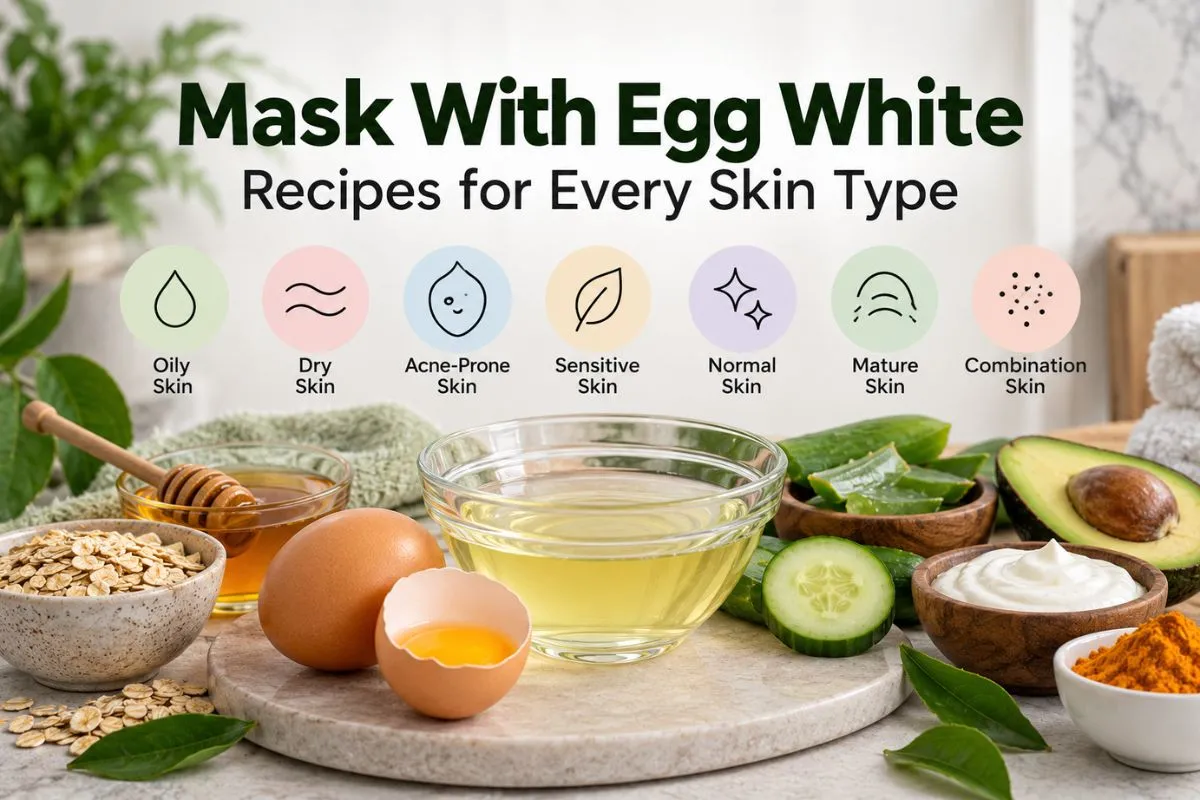
How to Choose the Right Egg Mask for Skin Type
The smartest approach is to select ingredients based on how your skin behaves.
Oily skin generally needs lightweight formulas that do not add excessive richness. Dry skin benefits from more conditioning ingredients. Sensitive skin requires simplicity, while mature skin usually benefits from moisture-supporting ingredients rather than aggressively drying combinations.
Here is a quick guide:
| Skin Type | Ingredients to Pair With Egg White | Main Goal |
| Oily | Oats, clay | Reduce surface shine |
| Combination | Aloe vera | Balance different facial areas |
| Normal | Honey | Maintain softness |
| Dry | Avocado, yogurt | Add richness and comfort |
| Sensitive | Oats, aloe | Keep the recipe gentle |
| Mature | Honey, aloe | Support a soft, hydrated feel |
| Dull-looking | Yogurt, turmeric | Refresh appearance |
| Congested | Oatmeal, clay | Improve surface cleansing |
| Hot/tired-looking | Cucumber, aloe | Cooling refreshment |
Now, let’s turn these combinations into practical recipes.
9 Egg White Facial Mask Recipe Ideas for Every Skin Type
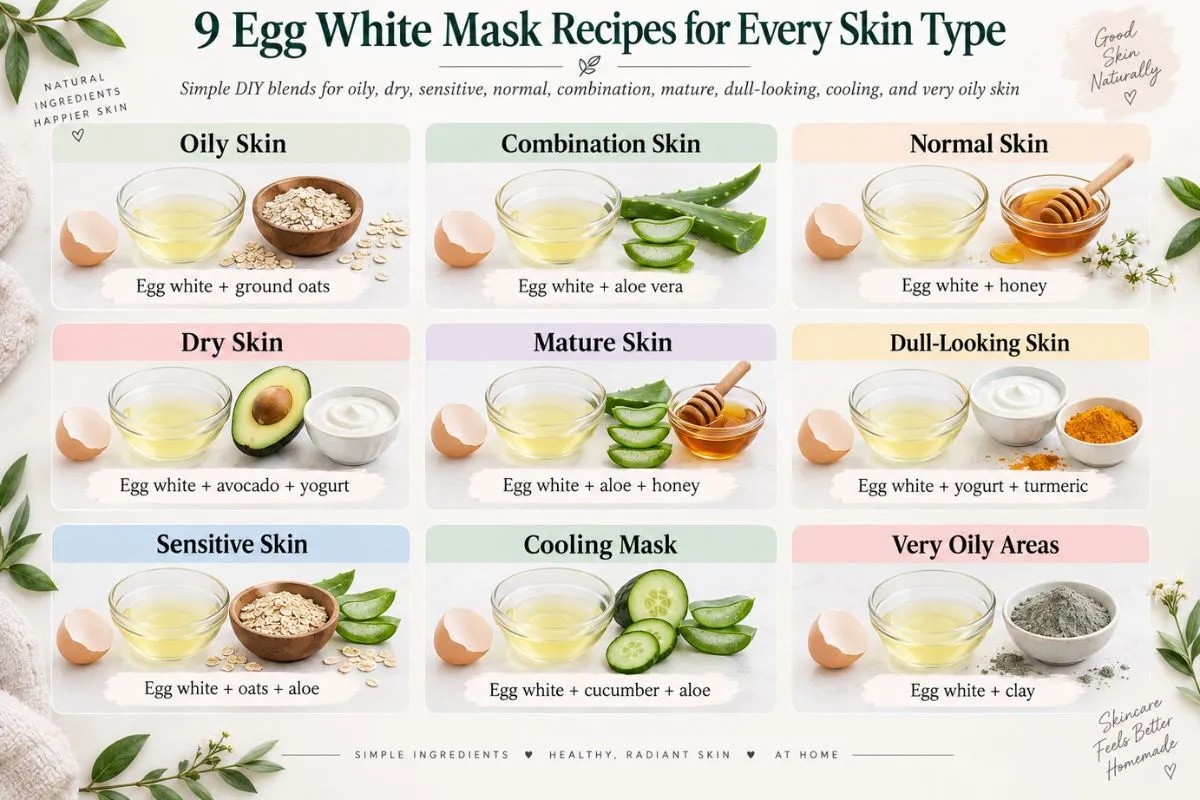
1. Oatmeal Mask With Egg White for Oily Skin
People with oily skin often want to reduce shine without leaving the face feeling stripped. This simple egg white facial mask recipe combines the drying effect of egg white with finely ground oats.
Ingredients
- 1 pasteurized egg white
- 1 tablespoon finely ground oats
Directions
Whisk the egg white gently until slightly foamy. Add the oats and mix until you have a spreadable paste.
Apply a thin layer to clean skin, avoiding the eyes and lips. Leave it on for approximately 8–10 minutes. Do not wait until the mixture becomes extremely hard or uncomfortable. Rinse thoroughly with lukewarm water and apply a lightweight moisturizer.
This is a simple egg white face mask for oily skin because it avoids heavy oils while giving oily areas a temporary matte appearance. Use no more than once weekly at first.
2. Aloe Vera Egg Mask for Combination Skin
Combination skin is tricky because the forehead and nose may become oily while the cheeks feel relatively normal or even dry.
For this egg mask for skin, aloe vera helps soften the drying feel of egg white.
Ingredients
- 1 pasteurized egg white
- 1 teaspoon plain aloe vera gel
Directions
Mix the ingredients until evenly combined. Apply a thin layer, focusing particularly on the T-zone if that is where you become oily. Leave it on for 8–10 minutes, then rinse carefully. Follow with your normal moisturizer.
Aloe-based formulas are a good option for people who dislike the overly tight sensation produced by plain egg white.
3. Honey and Egg White Mask for Normal Skin
Normal skin usually does not need aggressive oil removal or heavy conditioning. A simple balanced formula is enough.
This egg white facial mask recipe combines egg white with honey for a softer finish.
Ingredients
- 1 pasteurized egg white
- 1 teaspoon honey
Directions
Whisk the egg white lightly and mix in the honey. Spread a thin, even layer over clean skin. Leave the mask for approximately 8 minutes. Rinse gently with lukewarm water. Pat the skin dry rather than rubbing it.
Honey gives this recipe a more conditioning texture, making it more comfortable than plain dried egg white.
4. Avocado and Yogurt Egg Mask for Dry Skin
Dry skin requires extra caution because egg white itself can feel drying. For this egg mask for skin, avocado and plain yogurt help create a creamier mixture.
Ingredients
- ½ pasteurized egg white
- 1 tablespoon mashed ripe avocado
- 1 teaspoon plain unsweetened yogurt
Directions
Mash the avocado until completely smooth. Add yogurt and egg white and mix thoroughly. Apply a thin layer to clean skin. Leave on for only 5–8 minutes. Rinse before the mask becomes overly dry. Follow immediately with a moisturizer.
If your skin feels tight, flaky, damaged, or irritated, skip egg white entirely and choose a hydrating formulated mask instead.
5. Aloe and Honey Mask With Egg White for Mature Skin
Mature skin generally benefits more from moisture support than aggressive drying. This mask with egg white combines aloe vera and honey to prevent the formula from feeling excessively tight.
Ingredients
- 1 pasteurized egg white
- 1 teaspoon aloe vera gel
- 1 teaspoon honey
Directions
Blend everything until smooth. Apply a thin layer over clean skin. Leave it on for around 8 minutes. Rinse gently and follow with a hydrating serum or moisturizer.
6. Yogurt and Turmeric Egg Mask for Dull-Looking Skin
Dull skin often looks tired when it becomes dehydrated or covered with accumulated surface cells. A yogurt-based egg mask for skin offers a creamy texture, while a very small amount of turmeric provides the warm, traditional skincare touch many people enjoy.
Ingredients
- 1 pasteurized egg white
- 1 tablespoon plain yogurt
- A tiny pinch of turmeric
Directions
Mix everything thoroughly. Use only a very small amount of turmeric because too much can temporarily stain lighter skin or fabrics. Apply for approximately 5–8 minutes. Rinse completely and moisturize afterward.
Avoid adding lemon juice to this recipe. Although lemon appears in many traditional DIY masks, direct citrus juice can irritate facial skin.
7. Gentle Oat and Aloe Egg Mask for Sensitive Skin
Sensitive skin should always receive the simplest formula possible. For this egg white facial mask recipe, oats and aloe help make the mixture gentler.
Ingredients
- ½ pasteurized egg white
- 1 teaspoon finely ground oats
- 1 teaspoon aloe vera gel
Directions
Combine all ingredients into a smooth mixture. Patch-test before using it on your entire face. Apply for only 5 minutes during the first use. Rinse immediately if you experience stinging, itching, burning, or increasing redness.
An egg mask for skin that is highly reactive, eczema-prone, rosacea-prone, or currently inflamed may not be appropriate at all. In that situation, a fragrance-free commercially formulated product is often the better choice.
8. Cucumber and Aloe Cooling Egg White Mask
When skin feels hot or tired, cucumber and aloe offer a refreshing texture.
Ingredients
- 1 pasteurized egg white
- 1 tablespoon finely blended cucumber
- 1 teaspoon aloe vera gel
Directions
Blend fresh cucumber and remove excess liquid if the mixture is extremely watery. Combine with aloe vera and egg white. Apply for approximately 5–8 minutes. Rinse with cool-to-lukewarm water.
This treatment works particularly well as an occasional summer skincare ritual.
9. Clay and Egg White Mask for Very Oily Areas
Clay can make an egg-white mixture considerably more drying, which means this recipe should be reserved for oily areas rather than universally applied to everyone.
Ingredients
- 1 pasteurized egg white
- ½–1 teaspoon kaolin clay
- A few drops of water if needed
Directions
Mix the clay gradually into the egg white. Apply a very thin layer only to greasy areas such as the forehead, nose, or chin. Leave on for around 5 minutes. Rinse before the mixture becomes cracked and extremely dry. Moisturize afterward.
People with dry or sensitive skin should skip this recipe.
How to Use a Mask With Egg White Safely
Even the best DIY formula can cause problems when left on too long or applied incorrectly.
Follow this basic routine:
- Cleanse your face gently.
- Pat the skin dry.
- Prepare a fresh mask using clean utensils.
- Apply a thin layer rather than a thick coating.
- Avoid the eye area, nostrils, lips, eyebrows, and hairline.
- Leave the mixture on for approximately 5–10 minutes.
- Do not let it become painfully tight.
- Rinse thoroughly with lukewarm water.
- Pat the skin dry.
- Apply moisturizer.
Use a mask with egg white no more than about once weekly initially. Your skin does not become healthier simply because you apply DIY treatments more frequently.
Final Thoughts: Make Your Mask With Egg White Work Smarter
A mask with egg white can be a simple and enjoyable addition to a home skincare ritual when expectations remain realistic. The best recipe is not necessarily the one with the longest ingredient list, it is the one that respects your skin type.
Choose a balanced egg white facial mask recipe, use pasteurized egg whites whenever possible, avoid harsh citrus juice and aggressive peeling, and never ignore signs of irritation. Whether you choose an oatmeal formula for oily areas, aloe for combination skin, honey for normal skin, or a creamier egg mask for skin designed for dryness, gentle application matters more than dramatic DIY promises.
And remember: occasional homemade skincare is only one part of healthy-looking skin. A consistent routine built around cleansing, moisturizing, sun protection, and well-formulated products will always matter more.
Ready to Give Your Routine a More Convenient Upgrade?
Love natural skincare but do not always have time to mix ingredients in your kitchen? Explore Hudira organic products and discover thoughtfully selected skincare options designed to make everyday self-care simple, enjoyable, and beautifully effortless.
FAQs
Q. Can I use an egg white mask every day?
No. Daily use may leave the skin feeling overly dry or irritated. For most people, once every 7–10 days is more than enough. Always observe how your skin responds.
Q. How long can you keep egg white mask in fridge?
It is better not to store a homemade egg-white facial mixture for later use. DIY masks do not contain cosmetic preservatives and can become contaminated. Prepare only enough for one application and discard any leftover mixture.
Q. How long should an egg white mask stay on the face?
Around 5–10 minutes is usually sufficient. Rinse the mask sooner if you experience uncomfortable tightness, stinging, itching, or burning.
Q. Can egg white permanently shrink facial pores?
No. Egg white can create a temporary tightening effect as it dries, which may make pores look less noticeable for a short time, but it cannot permanently change pore size.
Q. Is an egg white facial mask recipe good for sensitive skin?
Not always. Some sensitive skin types may tolerate a simple oat-and-aloe mixture after patch testing, while highly reactive, irritated, eczema-prone, or allergy-prone skin may be better off avoiding egg white completely.

Add comment