
No products in the cart.
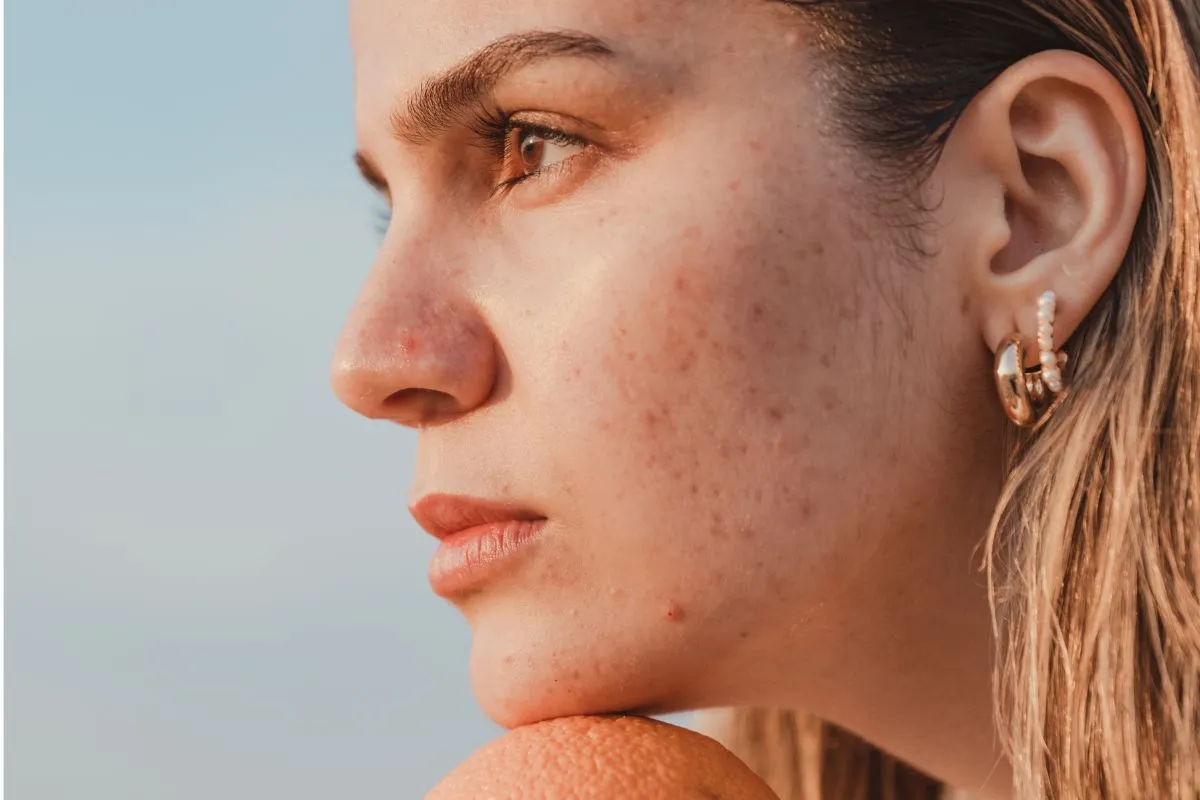
The painful bump may disappear, yet the dark reminder can remain for weeks or even months. Ingrown hair scars often begin as inflammation after shaving, waxing, tweezing, or friction traps a hair beneath the skin. What looks like permanent damage may actually be a flat patch of post-inflammatory pigmentation, which means gentle, consistent care may noticeably improve its appearance without harsh bleaching, aggressive scrubbing, or risky home experiments.
The real secret is knowing exactly what kind of mark you have before treating it. Some hair bump scars are flat and dark, while others are raised, indented, red, or still inflamed. Choose the wrong remedy, and you may deepen the irritation instead of fading it. Choose the right routine, however, and your skin may gradually look smoother, calmer, and more even. Ahead, you will discover which natural remedies deserve a place in your routine, which popular DIY tricks can backfire, and one crucial step many people skip.
What Are Ingrown Hair Scars?
Ingrown hairs develop when a hair curls back into the skin or becomes trapped beneath dead skin cells instead of growing outward. The body treats the trapped hair as an irritant, causing redness, tenderness, itching, swelling, or a small pus-filled bump.
After the bump settles, the inflammation may leave behind ingrown hair marks. These marks can appear brown, gray, purple, pink, or red, depending on your skin tone and the depth of the inflammation. Many people call all of them ingrown hair scars, but not every mark is a true scar.
Flat brown, gray, or purple discoloration is commonly post-inflammatory hyperpigmentation. It occurs when inflammation stimulates the skin to produce extra melanin. Flat pink or red discoloration may be post-inflammatory redness.
A thick, raised area may be a hypertrophic scar or keloid. An indented or uneven area may represent textural damage to the skin.
This distinction matters because natural remedies are more likely to improve flat discoloration than raised or indented scar tissue. True ingrown hair scarring may require silicone products, prescription treatments, injections, laser procedures, or another dermatologist-directed treatment.
Why Do Ingrown Hairs Leave Dark Marks?
The skin is designed to protect itself. When a trapped hair irritates the follicle, immune cells rush to the area and create inflammation. That inflammation may activate pigment-producing cells, particularly in medium, olive, brown, and deeper skin tones.
Several habits can make ingrown hair marks more noticeable:
- Picking or squeezing the bump
- Digging for the trapped hair with a needle
- Shaving repeatedly over irritated skin
- Using a dull or unclean razor
- Scrubbing with rough sugar, salt, or loofahs
- Applying irritating acids too frequently
- Wearing tight clothing over freshly shaved skin
- Allowing an infected bump to remain untreated
Repeated inflammation is one of the biggest causes of ingrown hair scarring. Preventing fresh irritation is therefore essential when managing ingrown hair scarring.
Every time the area is scratched, squeezed, cut, or shaved too closely, the skin receives another injury signal. This can prolong healing, increase sensitivity, and deepen pigmentation.
Hair type also matters. Curly, coarse, or tightly coiled hair is more likely to curve back toward the skin. For this reason, hair bump scars commonly appear on the beard area, neck, chin, underarms, bikini line, thighs, and legs.
Treat the Active Ingrown Hair Before the Mark
Before trying to fade ingrown hair scars, make sure the active bump has healed. Brightening products and exfoliants should not be placed on skin that is open, bleeding, crusted, severely swollen, or infected.
For a mild ingrown hair, pause shaving or waxing for several days. Apply a clean, warm compress for approximately 10 minutes to soften the skin and reduce discomfort. Wash the area gently with a mild cleanser, avoid squeezing it, and reduce friction from tight clothing.
Do not aggressively dig for the hair. Attempting to pull out a deeply trapped hair can create a scar from ingrown hair removal and increase the risk of infection.
Seek medical advice if the bump is:
- Very painful
- Hot or warm to the touch
- Rapidly enlarging
- Draining pus
- Surrounded by spreading redness
- Accompanied by fever or illness
Once the surface is completely closed and comfortable, you can begin a gentle routine for the remaining ingrown hair marks.
Best Natural Remedies for Ingrown Hair Scars
No natural remedy can guarantee complete scar removal. However, certain plant-based or naturally derived ingredients may calm irritation, support the skin barrier, and gradually improve the appearance of uneven pigmentation.
The best routine for ingrown hair scars is rarely the harshest one. Gentle consistency, hydration, sun protection, and prevention usually matter more than using numerous strong ingredients simultaneously.
1. Aloe Vera for Soothing and Hydration
Aloe vera is one of the most widely used natural ingredients for uncomfortable or irritated skin. Its cooling gel can provide hydration and reduce the dry, tight feeling that sometimes follows shaving or waxing.
Aloe vera should be viewed as a soothing ingredient rather than a guaranteed treatment to remove ingrown hair scars. Its main purpose is to support a comfortable environment while the skin repairs itself.
Choose a fragrance-free, properly preserved aloe vera gel. Fresh aloe may contain yellow latex near the rind, which can irritate certain skin types. Patch-test the product before applying it to a large area. Do not use aloe vera on infected, bleeding, or open skin. Apply a thin layer once or twice daily. Stop using it if you experience burning, itching, increased redness, or swelling.
2. Green Tea for Antioxidant Support
Green tea contains antioxidant compounds that may support stressed or inflamed skin. Although it is not a proven scar eraser, it can be a gentle supporting ingredient in products made for sensitive skin.
Green tea may help calm the irritation that contributes to hair bump scars. However, rubbing used tea bags directly over the skin is not necessarily the safest or most hygienic approach.
A properly formulated product containing green tea extract offers more predictable application and preservation. Green tea can work alongside aloe vera, glycerin, niacinamide, or a simple fragrance-free moisturizer. Avoid layering numerous active ingredients if your skin is already sensitive.
3. Licorice Root for Uneven Pigmentation
Licorice root extract is a promising botanical ingredient for ingrown hair marks. Certain components found in licorice may help improve the appearance of uneven pigmentation.
Use a professionally formulated serum, cream, or lotion containing licorice extract rather than mixing raw licorice powder into a homemade paste. Cosmetic formulations generally offer more reliable concentrations and a lower risk of contamination. Begin by applying the product once daily to healed skin. Increase the frequency only if your skin remains comfortable.
Pigmentation improves gradually. Take a clear photograph every four weeks instead of checking the area multiple times each day. Monthly comparisons make subtle progress easier to recognize.
4. Niacinamide for Pigmentation and Barrier Support
Niacinamide is a form of vitamin B3 frequently used in skincare. It supports the skin barrier and may gradually improve the appearance of uneven tone. A niacinamide product can be particularly helpful when ingrown hair scarring is accompanied by dryness, sensitivity, or frequent shaving.
For sensitive skin, a concentration of around 2% to 5% is often sufficient. Very strong formulas are not automatically more effective and may cause stinging, flushing, or irritation.
Apply niacinamide once daily at first. If your skin responds well, it may be used twice daily on completely healed skin.
5. Colloidal Oatmeal for Sensitive Skin
Colloidal oatmeal is finely ground oatmeal manufactured specifically for skincare. It can soothe itching, dryness, and irritation while supporting the skin’s protective barrier.
It does not directly bleach ingrown hair scars. Instead, it reduces the irritation that can keep pigmentation active and noticeable. Colloidal oatmeal may be especially useful for sensitive underarms, legs, thighs, or bikini-line skin that becomes uncomfortable following hair removal.
Choose a fragrance-free moisturizer containing colloidal oatmeal and apply it after bathing or whenever the skin feels dry or tight.
6. Jojoba Oil or Squalane for Reducing Friction
Lightweight emollients such as jojoba oil and plant-derived squalane may reduce dryness and friction. They can be particularly useful on the legs, thighs, beard area, or areas that rub against clothing.
These ingredients do not directly erase ingrown hair marks. Their role is supportive. Soft, moisturized skin is less likely to crack, itch, or become irritated by fabric. Apply only a small amount. Heavy oil application may feel greasy or contribute to clogged follicles in acne-prone skin.
Patch-test the oil before using it over a large area.
7. Turmeric: Promising but Easy to Misuse
Turmeric contains curcumin, a compound studied for its antioxidant and anti-inflammatory properties. However, homemade turmeric masks can stain the skin, clothing, towels, and bathroom surfaces.
Raw turmeric may also cause irritation when combined with lemon juice, baking soda, vinegar, or essential oils.
A professionally formulated turmeric product is more consistent than raw powder mixed at home. Turmeric should be considered a supportive botanical ingredient rather than a guaranteed cure for hair bump scars.
Never apply turmeric paste to freshly shaved, broken, or infected skin.
8. Gentle Exfoliation to Prevent Blocked Follicles
Exfoliation may help prevent dead skin cells from trapping new hairs. However, aggressive physical scrubbing can worsen ingrown hair scarring.
A soft washcloth used gently once or twice weekly may be enough for some people. Avoid using rough gloves, pumice stones, dry brushes, or sharp scrubs over irritated skin.
Salicylic acid, lactic acid, and glycolic acid are often derived from natural sources, although they are used as carefully formulated cosmetic ingredients rather than traditional home remedies.
Introduce exfoliation once weekly and increase slowly only if your skin remains calm. Do not combine several exfoliating acids or apply them immediately after shaving.
Stop exfoliating if the skin becomes raw, shiny, painful, intensely dry, or noticeably darker.
Natural Does Not Always Mean Gentle
One of the most powerful ways to protect your skin is to avoid viral DIY remedies that cause irritation. A natural ingredient can still trigger burns, allergies, inflammation, or worsening pigmentation.
Avoid Lemon Juice
Lemon juice is highly acidic and may sting or weaken the skin barrier. Sun exposure following citrus contact may also trigger a phototoxic reaction and leave darker pigmentation.
Avoid Undiluted Apple Cider Vinegar
Undiluted vinegar may irritate or burn the skin, particularly when applied after shaving, waxing, or exfoliation.
Avoid Baking Soda
Baking soda has a high pH that can disrupt the skin barrier, increase dryness, and leave sensitive skin feeling uncomfortable.
Avoid Harsh Sugar or Salt Scrubs
Rough particles can create tiny injuries and worsen hair bump scars. Gentle care is far safer for persistent hair bump scars.
Avoid Undiluted Essential Oils
Tea tree, peppermint, lemon, clove, and cinnamon essential oils may irritate or sensitize the skin. Essential oils should never be assumed to be harmless simply because they come from plants.
Avoid Toothpaste
Toothpaste is formulated for teeth, not inflamed hair follicles or pigmentation. Its flavoring agents and detergents may dry or irritate the skin.
If a remedy burns, tingles intensely, or makes your skin red, that does not mean it is working. It may mean the skin is becoming damaged.
A Simple Routine for Ingrown Hair Marks
A useful routine should be gentle enough to follow consistently for several weeks. Changing products every few days makes it difficult to identify what helps and what causes irritation.
Morning Routine
Cleanse the area using lukewarm water and a mild, fragrance-free cleanser.
Apply a niacinamide or licorice-root product to completely healed skin. Follow with a lightweight moisturizer. For exposed areas such as the face, neck, arms, or legs, apply broad-spectrum sunscreen with SPF 30 or higher. Sun exposure can keep ingrown hair marks darker for longer.
Reapply sunscreen during extended outdoor exposure and after swimming or heavy sweating.
Evening Routine
Cleanse the area gently without rubbing.
Apply one targeted product containing aloe vera, niacinamide, licorice root, green tea, or another well-tolerated ingredient. Follow with a fragrance-free moisturizer. If your skin tolerates exfoliation, use a gentle exfoliating product once or twice weekly. Avoid exfoliating on consecutive nights during the first few weeks.
Hair-Removal-Day Routine
Soften the hair and skin with warm water. Apply a generous layer of shaving gel or cream.
Use a clean, sharp razor and shave in the direction of hair growth. Apply light pressure and make as few passes as possible. Rinse the area, pat it dry, and apply a simple fragrance-free moisturizer.
Avoid acids, retinoids, strong vitamin C products, essential oils, and physical scrubs for at least one day if the area is sensitive.
How to Prevent Ingrown Hair Scarring
Prevention is the most effective long-term strategy because every fresh bump can produce another dark mark.
Use a Clean Razor
An unclean blade can introduce bacteria into microscopic cuts. Rinse your razor thoroughly, allow it to dry, and never share it with another person.
Replace Dull Blades
Dull razors tug at the hair and require repeated passes, increasing friction and inflammation.
Shave With the Direction of Hair Growth
Shaving against hair growth may produce a closer result, but it can increase the likelihood of hairs curling back beneath the skin.
Avoid Stretching the Skin
Stretching the skin tightly while shaving may cause cut hairs to retract below the surface.
Always Use Shaving Gel or Cream
Dry shaving creates unnecessary friction and can damage the skin barrier.
Avoid an Extremely Close Shave
Leaving a very small amount of hair above the surface may reduce the likelihood of it becoming trapped.
Moisturize Regularly
Dry, rough skin may contribute to irritation, follicle blockage, and visible ingrown hair marks.
Reduce Clothing Friction
Tight waistbands, underwear, leggings, and collars can rub recently shaved skin. Choose breathable, comfortable clothing after hair removal.
Never Pick the Bump
Picking is a major contributor to ingrown hair scarring and long-lasting textural damage.
Consider Using a Trimmer
An electric trimmer may reduce close-shave bumps because it does not cut the hair as deeply as a razor.
Whenever possible, leave more time between hair-removal sessions. Shaving inflamed skin repeatedly can cause persistent ingrown hair scarring.
Treating Ingrown Hair Marks on Different Body Areas
Face and Chin
The chin and jawline are prone to coarse hairs and frequent tweezing. Avoid digging for hairs with needles or sharp tweezers.
Use a mild cleanser, lightweight moisturizer, niacinamide, and daily sunscreen. Seek medical advice if facial hair growth changes suddenly or is accompanied by other hormonal symptoms.
Beard and Neck
People with curly or tightly coiled facial hair frequently experience razor bumps on the neck.
Consider using an electric trimmer and avoid an extremely close shave. Shave with the direction of hair growth and reduce repeated razor passes.
Hair bump scars on the neck may become raised in people prone to keloids. Seek early professional advice if thick, firm areas begin developing.
Underarms
Underarm skin experiences friction, perspiration, deodorants, and repeated shaving. Choose fragrance-free products and avoid applying exfoliating acids immediately after shaving.
Do not automatically apply every facial brightening serum to your underarms. Patch-test first because this area can be particularly sensitive.
Bikini Line
The bikini line is vulnerable to friction and coarse hair. Wear breathable clothing following hair removal and avoid aggressive scrubbing.
Apply products only to external skin. Never place exfoliating acids, essential oils, or brightening ingredients on internal genital tissue.
Legs
Ingrown hair marks on legs are often worsened by dry skin, tight clothing, and rushed shaving.
Moisturize your legs daily, use a sharp razor, and apply sunscreen whenever they are exposed. Introduce gentle exfoliation slowly and stop if it causes irritation.
How Long Do Ingrown Hair Marks Take to Fade?
The healing timeline depends on the mark’s color, depth, age, location, your natural skin tone, and whether fresh inflammation continues to occur.
Some mild ingrown hair marks may improve within several weeks. Deeper discoloration may remain visible for several months. Raised or indented scars may not respond significantly to natural remedies.
Do not judge a new routine after only a few days. Take a clear photograph in similar lighting every four weeks. This will provide a more accurate picture of gradual progress.
Stop experimenting and seek professional advice if the mark becomes darker, thicker, painful, itchy, or larger.
Can These Marks Be Completely Removed?
Complete removal is not always realistic. Flat pigmentation may fade significantly with time, consistent sun protection, and a gentle skincare routine. Structural ingrown hair scars are more difficult to change.
A dermatologist may recommend:
- Silicone gel or silicone sheets
- Prescription pigmentation treatments
- Professional chemical peels
- Microneedling
- Laser treatment
- Corticosteroid injections
- Other scar-specific procedures
The correct treatment depends on the type of scar, its location, and your skin tone.
Professional treatment is particularly important for keloids. Cutting, squeezing, or irritating a keloid may cause it to grow or return.
Final Thoughts
Ingrown hair scars can feel deeply frustrating, especially when the original bump healed long ago. Fortunately, many flat marks are not permanent scars. They are signs of inflammation that may gradually improve with calm, consistent care.
Begin by identifying whether you have pigmentation, active inflammation, or true scar tissue. Then focus on soothing ingredients, gentle pigmentation support, regular moisturizing, sun protection, and safer hair-removal habits.
Most importantly, avoid harsh DIY treatments. Irritation can create the very problem you are trying to solve.
Ready to build a kinder and more effective skincare routine? Explore Hudira organic products, created with thoughtfully selected botanical ingredients to support naturally radiant, healthy-looking skin. Discover gentle care inspired by nature and choose products that respect your skin’s unique journey.
FAQs
Q. How to Get Rid of Ingrown Scars Naturally?
First determine whether the area is a flat dark mark or a raised or indented scar.
Flat pigmentation may gradually improve with sunscreen, niacinamide, licorice extract, aloe vera, gentle exfoliation, and consistent moisturization. Raised or indented scars usually require professional assessment and targeted treatment.
Q. Do Ingrown Hairs Leave Scars?
Yes. Ingrown hairs can leave flat dark marks, red marks, or true scars, especially when they are picked, repeatedly shaved, infected, or deeply inflamed.
However, most flat brown or gray marks are post-inflammatory pigmentation rather than permanent scar tissue.
Q. Why Do Hair Bump Scars Become Darker?
Hair bump scars may become darker when inflammation stimulates excess melanin production. Picking, squeezing, sun exposure, tight clothing, and harsh skincare products can prolong irritation and deepen discoloration.
Q. How Can I Prevent New Ingrown Hair Marks?
Use a clean, sharp razor, shave in the direction of hair growth, avoid stretching the skin, moisturize regularly, reduce clothing friction, and never pick active bumps.
Add comment