
No products in the cart.
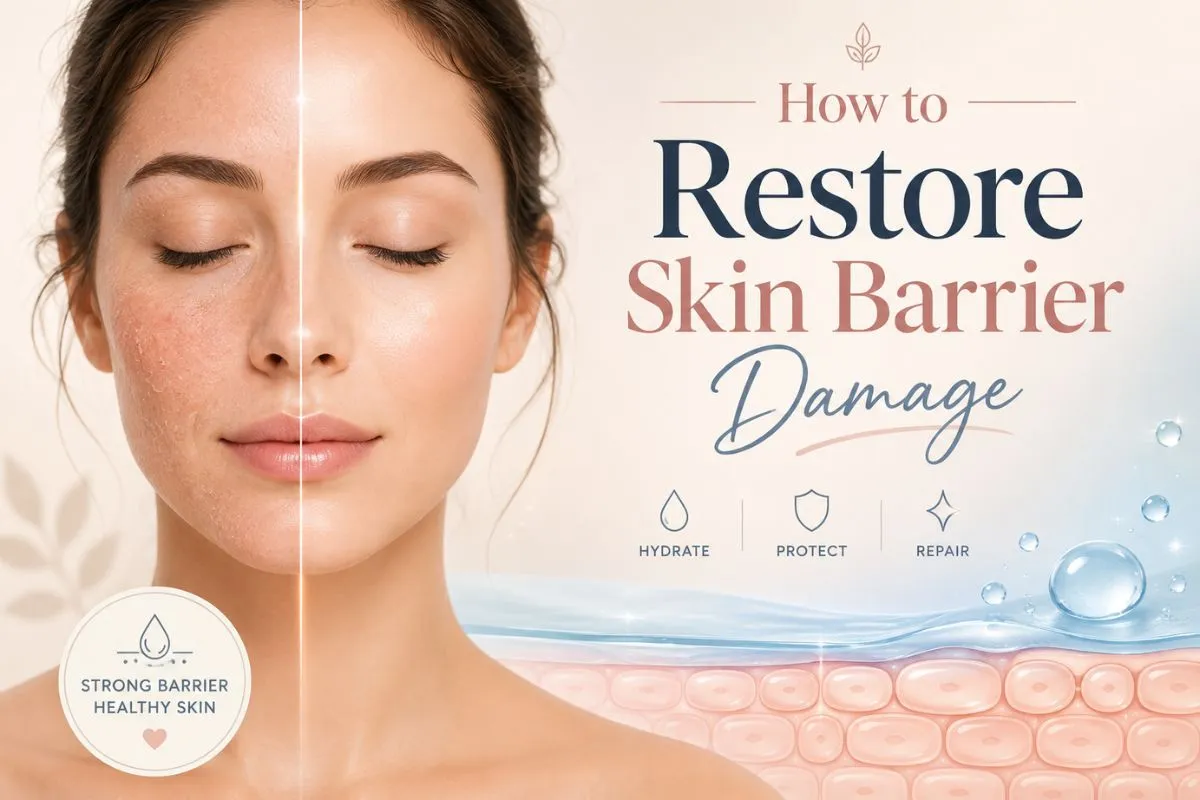
Your moisturizer suddenly stings. Your face feels tight after washing, yet it looks oily by midday. Even products you once loved now leave your skin red, rough, or flaky. These frustrating changes often point to skin barrier damage. The good news is that you can restore skin barrier function and repair damaged skin by simplifying your routine, protecting your face, and giving it the moisture and lipids it needs.
However, the answer is not always another trendy serum. Some “healthy” skincare habits may quietly be making the problem worse. What should you stop first? Which ingredients genuinely help, and how long might recovery take? The small choices that heal skin barrier function may be surprisingly different from what social media suggests.
What Is the Skin Barrier?
The skin barrier is the outermost protective part of the epidermis, mainly associated with the stratum corneum. Imagine a strong brick wall: flattened skin cells form the bricks, while lipids—including ceramides, cholesterol, and fatty acids—act like mortar.
Together, these components reduce excessive water loss and help protect your body from environmental irritants. Ceramides are especially important to the structure and water-permeability function of this outer layer.
When this protective wall becomes disrupted, water escapes more easily through a process called transepidermal water loss, commonly shortened to TEWL. At the same time, ordinary skincare products, weather conditions, and environmental substances may feel more irritating than usual.
This explains why a weakened barrier may cause burning, sensitivity, roughness, flaking, or a confusing combination of oiliness and dehydration.
Your skin also has a mildly acidic surface environment called the acid mantle. It supports barrier integrity and helps regulate the skin microbiome. Harsh alkaline cleansing and repeated washing can temporarily disturb that balance.
The 60-Second Skin Barrier Damage Check
Several of these signs appearing together may suggest skin barrier damage, particularly after you introduce a strong treatment:
- Tightness immediately after cleansing
- Burning from a familiar moisturizer
- Redness, discoloration, or warmth
- Flaking around the nose, mouth, or cheeks
- Rough, papery, or unusually bumpy texture
- Shine combined with a dehydrated feeling
- Increased sensitivity to wind, heat, sweat, or water
- Makeup that suddenly highlights dry patches
- Breakouts following frequent exfoliation
- Products that previously felt gentle suddenly causing discomfort
These symptoms are not exclusive to a compromised barrier. Eczema, rosacea, contact dermatitis, allergies, infections, and other skin conditions can look similar.
Seek medical advice if you experience severe pain, swelling, blistering, crusting, oozing, eye involvement, or symptoms that are rapidly becoming worse.
What Causes Skin Barrier Damage?
Most people do not weaken their barrier with one dramatic mistake. Instead, several smaller stressors build up until the skin can no longer keep pace.
1. Over-Exfoliation
Exfoliation can help remove accumulated dead skin cells, but more is not always better. Using facial scrubs, cleansing brushes, peeling solutions, AHAs, BHAs, or exfoliating toners too frequently can remove more surface material than your skin can comfortably replace.
The result may include:
- Tightness
- Persistent flaking
- Burning
- Redness
- Increased sensitivity
- Unexpected breakouts
When your face is already uncomfortable, trying to scrub away the flakes can deepen the irritation.
2. Using Too Many Active Ingredients
Retinoids, exfoliating acids, benzoyl peroxide, and strong vitamin C formulas can be useful when they are introduced correctly. However, layering several actives, using them on the same night, or increasing their frequency too quickly may trigger irritation.
To restore skin barrier comfort, the first powerful step is often subtraction—not addition.
3. Harsh or Excessive Cleansing
Strong soaps, highly foaming cleansers, hot water, long cleansing sessions, and repeated washing can remove protective surface oils. Research also indicates that cleansing choices can influence the acid mantle and skin-barrier environment.
Your skin does not need to feel squeaky, tight, or completely oil-free to be clean. That uncomfortable “pulled” feeling after washing may indicate that your cleanser or cleansing method is too aggressive.
4. Weather and Environmental Stress
Sun exposure, dry air, cold wind, intense heat, pollution, dust, and air conditioning can increase discomfort in vulnerable skin. In Pakistan, repeatedly moving between outdoor heat and heavily air-conditioned rooms may leave some people feeling sweaty yet dehydrated.
Frequent washing to remove sweat and dust may also worsen dryness when harsh soap or hot water is used.
5. Aggressive DIY Skincare
Lemon juice, baking soda, undiluted essential oils, rough sugar scrubs, and strong clay masks may sound natural, but natural does not automatically mean gentle.
These treatments can intensify skin barrier damage, particularly when your face is already inflamed. A botanical ingredient can still cause irritation, sensitivity, or an allergic reaction.
6. Skin Conditions and Medical Treatments
Acne, eczema, rosacea, and certain prescription treatments can affect barrier function or increase sensitivity. Gentle skincare may support comfort, but it should not replace treatment recommended by a qualified clinician.
Speak with your prescriber before stopping or changing a prescribed acne or dermatology treatment.
How to Restore Skin Barrier Health: The Hudira 7-Day Reset
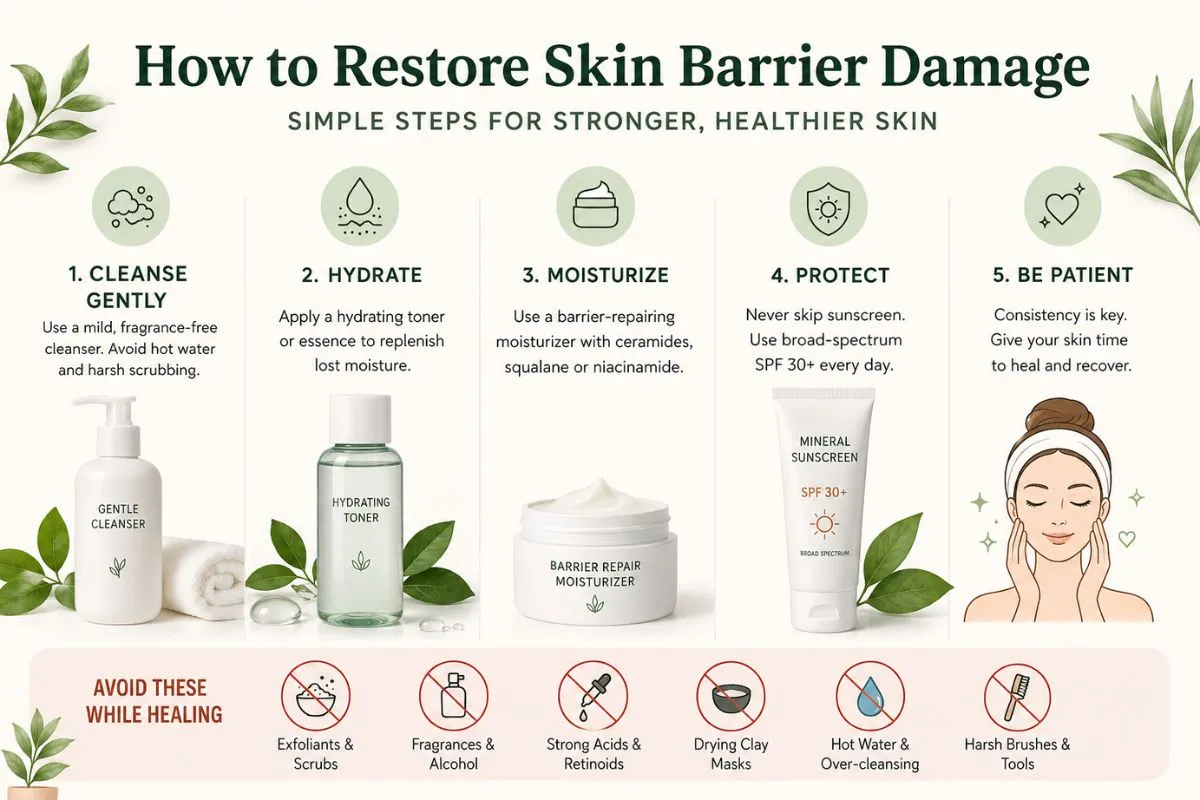
A seven-day reset does not promise that every barrier will fully recover within one week. Instead, it is a calm, encouraging starting point designed to remove avoidable irritation and help you determine whether your skin is moving in a healthier direction.
Days 1–2: Pause and Protect
Temporarily stop:
- Facial scrubs
- Exfoliating acids
- Retinoids
- Peeling products
- Cleansing brushes
- Fragranced products that sting
- Drying clay masks
- New products you have never tested
Use only a mild cleanser, a basic moisturizer, and broad-spectrum sunscreen during the day.
Many people keep adding products because they desperately want to repair damaged skin quickly. Unfortunately, a crowded routine can make it impossible to identify the original trigger. Give your skin a peaceful break instead.
Days 3–4: Replenish Moisture
Apply moisturizer while your skin is slightly damp, unless the product instructions state otherwise.
Moisturizers often combine three important types of ingredients:
- Humectants attract and hold water.
- Emollients soften and smooth rough areas.
- Occlusives create a protective layer that reduces evaporation.
Creams and ointments generally hold water more effectively than very light lotions for extremely dry skin. Dermatology guidance also recommends fragrance-free moisturizers and consistent application rather than waiting until dryness becomes painful.
Days 5–7: Observe Without Rushing
Look for small but meaningful victories:
- Less stinging
- Reduced tightness
- Fewer visible flakes
- Less redness
- Better tolerance of your moisturizer
- Increased comfort after cleansing
Do not restart every active ingredient because your face felt better for one day.
Consistency helps heal skin barrier function, while impatience can restart the cycle of irritation. Continue the simplified routine beyond day seven when your skin is steadily improving. Seek professional guidance if your symptoms remain unchanged or become worse.
A Simple Morning Routine to Restore Skin Barrier Function
You do not need a complicated ten-step routine during recovery. A simple morning routine can be incredibly effective.
Step 1: Cleanse Only as Much as Needed
If your face is dry and not particularly oily in the morning, a lukewarm water rinse may be enough. Otherwise, select a gentle, low-foaming, fragrance-free cleanser. Massage it lightly with your fingertips, rinse thoroughly, and pat dry.
Avoid washcloth scrubbing, facial brushes, and cleansing devices while trying to repair damaged skin. Your face should feel clean and comfortable—not stretched or painfully dry.
Step 2: Apply a Supportive Moisturizer
Choose a moisturizer you can use consistently without burning or discomfort.
Potentially helpful ingredients include:
- Glycerin
- Ceramides
- Fatty acids
- Cholesterol
- Squalane
- Dimethicone
- Petrolatum
- Panthenol
- Colloidal oatmeal
- Niacinamide
Research supports the central role of ceramides in skin-barrier structure. Niacinamide has also been studied for supporting ceramide and fatty-acid production and reducing TEWL. However, highly irritated skin may not tolerate every niacinamide formula, especially a strong or highly concentrated serum.
Step 3: Protect Your Skin from the Sun
Use a broad-spectrum, water-resistant sunscreen with SPF 30 or higher when exposed to daylight. Reapply when outdoors for extended periods, particularly after sweating or swimming.
If one sunscreen burns, do not give up on protection altogether. Try a different fragrance-free formula and use hats, protective clothing, and shade while searching for a comfortable option.
A Gentle Evening Routine to Heal Skin Barrier Function
Your evening routine should remove dirt, makeup, sunscreen, and excess oil without leaving your face feeling stripped.
Step 1: Remove Sunscreen and Makeup Carefully
Use a mild cleanser and avoid repeatedly washing until your face feels “squeaky.” Heavy or water-resistant makeup may require a gentle first cleanser, followed by a second cleanse only when genuinely needed. Excessive rubbing can worsen irritation even when the cleanser itself is mild.
Step 2: Skip Non-Essential Steps
During active sensitivity, you may not need:
- Toner
- Essence
- Exfoliating pads
- Multiple serums
- Sheet masks
- Clay masks
- Facial oils
- Overnight peels
A shorter routine is easier to tolerate and much easier to troubleshoot.
Step 3: Moisturize Generously
Apply moisturizer without aggressive rubbing or facial massage. On extremely dry patches, a thin layer of an occlusive such as petrolatum may help reduce water loss.
The American Academy of Dermatology recommends applying petroleum jelly to damp skin for selected dry-skin uses, although acne-prone users may prefer to patch test it first. The goal is not to bury your face beneath every rich product available. It is to heal skin barrier function with a routine that feels calm, predictable, and comforting.
Best Ingredients to Repair Damaged Skin
No single ingredient can magically solve every barrier concern. Product formulation, concentration, packaging, and individual tolerance are all important. Still, several ingredient groups can play valuable roles.
Ceramides
Ceramides are naturally occurring lipids that play a central role in the outer protective barrier. Suitably formulated ceramide moisturizers may support hydration and impaired barrier function. However, seeing the word “ceramide” on a label does not automatically guarantee results.
Glycerin and Hyaluronic Acid
Glycerin and hyaluronic acid are humectants that attract and hold water. They usually work best beneath a moisturizer that helps slow evaporation. In a very dry environment, a lightweight humectant serum alone may not feel rich enough.
Squalane, Shea Butter, and Jojoba Oil
These emollient-rich ingredients can soften rough areas and make skin feel more flexible. Plant-based ingredients can be valuable, but patch testing remains essential because botanical origin does not guarantee universal tolerance.
Petrolatum and Dimethicone
These ingredients create a protective layer that helps reduce water loss. They may be particularly useful for stubborn dry patches, although texture preferences and acne tolerance vary from person to person.
Panthenol and Colloidal Oatmeal
Panthenol and colloidal oatmeal are widely used in soothing formulas intended for dry or sensitive skin. Select properly preserved finished products rather than adding raw kitchen ingredients to homemade water-based recipes.
Niacinamide
Niacinamide may support moisture retention and the production of important barrier lipids. Nevertheless, high-strength formulas may sting compromised skin. A gentle product with a moderate concentration may be easier to tolerate than immediately starting a concentrated serum.
What to Pause While You Heal Skin Barrier Damage
Temporarily stop using:
- Physical scrubs
- Exfoliating brushes
- AHAs and BHAs
- Strong peeling solutions
- Retinoids
- Benzoyl peroxide unless advised by your clinician
- Strong vitamin C formulas that sting
- Facial bleach
- Aggressive brightening treatments
- Undiluted essential oils
- Lemon juice
- Baking soda
- Clay masks that dry completely hard
- Fragranced products that burn
- Very hot water
- Facial steaming
This does not mean every item is always harmful. Timing matters. Healthy, resilient skin may tolerate a product that feels completely overwhelming during active skin barrier damage.
Can Oily or Acne-Prone Skin Have a Damaged Barrier?
Yes. Oiliness does not prove that your skin contains enough water or that its barrier is functioning comfortably. Some people respond to tightness by cleansing more frequently, using stronger acne treatments, and skipping moisturizer. Unfortunately, that cycle can increase irritation.
To repair damaged skin that feels oily and sensitive:
- Choose a lightweight, fragrance-free moisturizer.
- Use a gentle cleanser instead of harsh soap.
- Pause unnecessary exfoliation.
- Introduce acne treatments gradually.
- Avoid layering several strong treatments on one night.
- Consider non-comedogenic products, while remembering that no label can guarantee zero breakouts.
Dermatology literature supports gentle cleansers and moisturizers as useful companions to acne treatment, particularly when active treatments cause dryness or barrier stress.
How to Reintroduce Active Ingredients Safely
Once your skin has remained comfortable for several days, begin adding products back one at a time. Start with one active ingredient once a week and keep everything else unchanged.
If burning, persistent redness, or renewed flaking does not return, slowly increase the frequency according to the product directions and your tolerance. Do not restart retinol, exfoliating acids, acne treatments, and strong vitamin C during the same week.
This gradual method helps identify triggers and protects the progress you made to restore skin barrier strength. Speak with your prescriber before stopping, restarting, or changing a prescription treatment.
Common Mistakes That Delay Recovery
Buying Too Many “Barrier Repair” Products
A long routine increases the chance of irritation and makes it difficult to identify what is helping. A simple cleanser, moisturizer, and sunscreen may be more useful than six overlapping serums.
Scrubbing Away Visible Flakes
Flaking may tempt you to exfoliate, but friction can deepen skin barrier damage.Allow loose flakes to shed naturally rather than picking or scrubbing them away.
Assuming Natural Means Non-Irritating
Botanical extracts, essential oils, and homemade remedies may still cause sensitivity or allergic reactions. Natural skincare should still be properly formulated, preserved, and patch tested.
Skipping Moisturizer Because of Acne
A suitable moisturizer can make acne treatments easier to tolerate. Often, the answer is a lighter, comfortable formulation—not eliminating moisturizer completely.
Expecting an Overnight Transformation
Marketing may promise instant results, but consistent daily care matters more than a supposed miracle mask. Your skin needs time, protection, and patience.
Ignoring Persistent Symptoms
When you cannot repair damaged skin with a simple, gentle routine, the issue may be more than ordinary cosmetic irritation.
How to Prevent Future Skin Barrier Damage
Once your skin feels stable:
- Introduce one new product at a time.
- Patch test before applying anything across your entire face.
- Increase active ingredients slowly.
- Schedule recovery nights without strong actives.
- Avoid combining several exfoliants.
- Use lukewarm rather than hot water.
- Moisturize consistently.
- Wear broad-spectrum sunscreen.
- Adjust your routine during extreme weather.
- Stop when persistent burning begins not after severe inflammation develops.
A resilient routine does not need to be complicated. The most reliable way to repair damaged skin and keep it comfortable is to respect its limits.
Final Thoughts: Give Your Skin a Gentle Fresh Start
You do not need to punish your face, scrub harder, or chase every viral serum. To restore skin barrier function, return to the essentials: mild cleansing, dependable moisturization, daily sun protection, and patience. These consistent steps can repair damaged skin more effectively than constantly introducing trendy new treatments.
Once unnecessary irritation is removed, your skin receives the quiet opportunity it needs to recover. As comfort returns, introduce active products gradually and listen to early warning signs. The journey to heal skin barrier function is not about achieving overnight perfection. It is about making thoughtful, powerful choices that protect your skin today and strengthen your routine for the future.
Ready to create a kinder skincare ritual? Explore Hudira organic products for thoughtful, nature-inspired self-care.Always review each ingredient list, patch test first, and pause exfoliating masks while your face is actively burning, peeling, or highly sensitive.
FAQs
Q. How to repair skin barrier on face?
To repair the skin barrier on your face, pause exfoliants and irritating actives, use a mild fragrance-free cleanser, moisturize consistently, and apply broad-spectrum SPF 30 or higher.
Avoid hot water, scrubbing, and introducing several new products together. Seek professional advice when symptoms are severe or persistent.
Q. How long does it take to repair skin barrier?
Mild irritation may begin improving within several days, while a more disrupted barrier may need several weeks of consistent care.
Q. Can I use vitamin C during skin barrier recovery?
Pause vitamin C if it causes burning, redness, or increased sensitivity. Once your skin feels comfortable and stable, reintroduce it gradually instead of immediately combining it with other active ingredients.
Q. Is aloe vera enough to heal a damaged skin barrier?
Aloe may feel soothing in a well-formulated product, but it does not replace gentle cleansing, moisturizer, sun protection, and removal of the original trigger. Raw aloe can irritate some people, so patch testing is important.
Q. Should I stop washing my face during recovery?
No. Cleanse only as needed with lukewarm water and a mild, low-foaming cleanser. Avoid harsh soap, repeated washing, facial brushes, and rubbing your face dry.


Add comment