
No products in the cart.
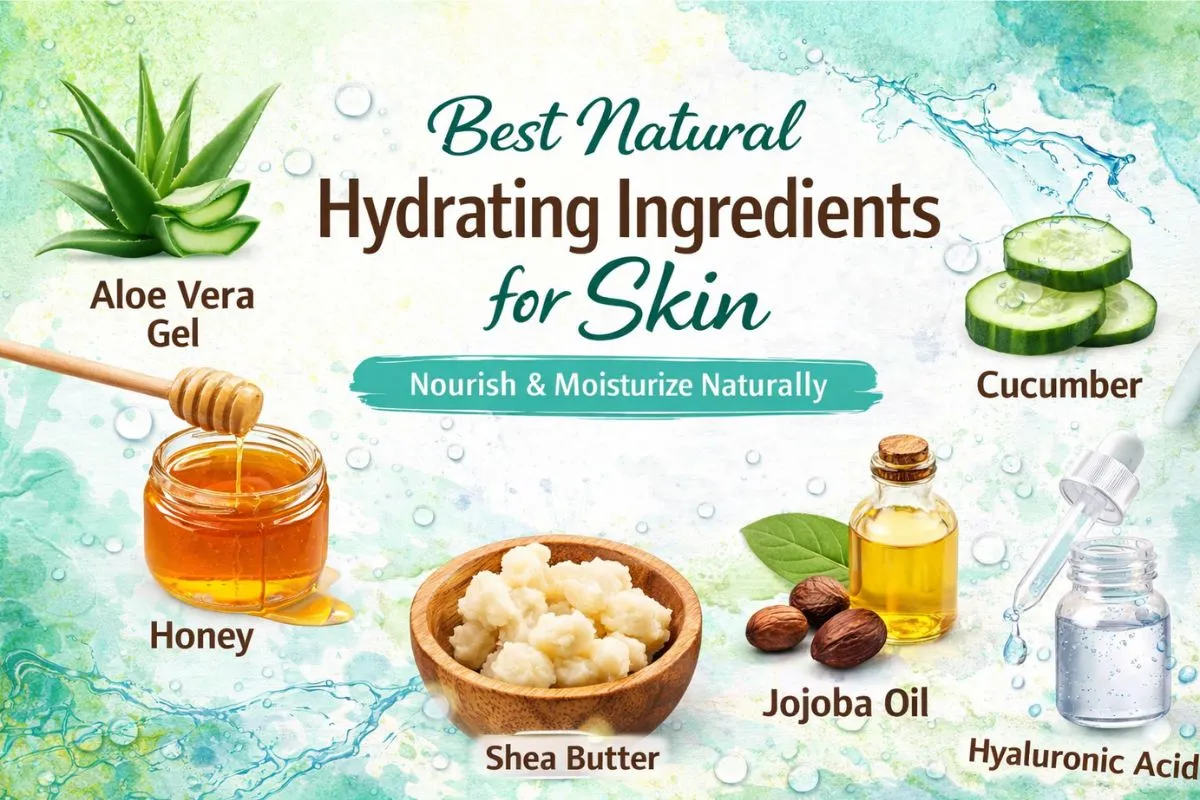
Your skin doesn’t just need moisture it craves the right hydrating ingredients that truly nourish, restore, and protect it from within. In a world filled with synthetic formulas, turning to nature offers a gentler, more effective path to radiant, healthy skin. The secret lies in choosing the right hydrating ingredients that work with your skin’s natural barrier, not against it. From botanical extracts to nutrient-rich oils, nature provides powerful solutions that act as a natural skin moisturizer while keeping your skin soft, supple, and glowing.
But here’s the real question: are you actually hydrating your skin the right way, or just layering products that sit on the surface? Many people confuse moisture with hydration, missing out on the deeper benefits of true hydration ingredients for skin. What if the key to glowing, plump skin isn’t more products but the right ingredients used correctly? Let’s uncover the most powerful ingredients that can completely transform your skincare routine.
What Are Hydrating Ingredients and Why Your Skin Needs Them
Before diving into the best natural options, it’s important to understand what these ingredients actually do. These ingredients attract water into the skin, helping maintain elasticity, smoothness, and a youthful glow.
Unlike heavy creams that only sit on top, true hydration ingredients for skin penetrate deeper layers and support long-term skin health. They work as a natural moisturizer for skin, ensuring your skin remains balanced, plump, and protected against dryness and environmental stress.
When used correctly, hydrating ingredients:
- Improve skin texture and softness
- Reduce dullness and flakiness
- Strengthen the skin barrier
- Prevent premature aging
That’s why choosing the right hydrating skin care ingredients is not just skincare, it’s self-care.
Dry Skin vs Dehydrated Skin: Know the Difference
One of the biggest skincare mistakes is treating dry and dehydrated skin the same way.
- Dry skin lacks oil
This means your skin doesn’t produce enough natural lipids to protect and soften the surface. As a result, it often feels rough, flaky, and may need richer natural moisturizer for skin support to restore balance. - Dehydrated skin lacks water
This condition happens when your skin is low on moisture, even if it produces oil. It can feel tight, dull, or sensitive, which is why using the right ingredients is essential to bring back plumpness and glow.
Even oily skin can be dehydrated, which is why using right ingredients matters more than simply applying thick creams.
Types of Hydrating Ingredients You Should Know
To truly understand how hydrating ingredients work, it helps to group them into three categories:
1. Humectants (Water Magnets)
These draw moisture into the skin and pull water from the environment or deeper layers of the skin to keep the surface hydrated and plump. This is why humectants are considered essential ingredients for achieving smooth, fresh-looking skin. However, they work best when followed by other hydration ingredients for skin that help lock that moisture in.
2. Emollients (Skin Softeners)
They smooth and repair the skin barrier. Emollients fill in tiny gaps between skin cells, making the skin feel softer and more even. They also support barrier repair, which helps prevent moisture loss over time. Many natural oils act as both emollients and a natural moisturizer for skin, making them key in any balanced routine.
3. Occlusives (Moisture Sealers)
They lock hydration inside. Occlusives form a protective layer on the skin that prevents water from evaporating. This step is especially important after applying other hydrating ingredients, as it ensures long-lasting results. Without occlusives, even the best hydrating skin care ingredients can lose effectiveness quickly.
A balanced skincare routine uses all three types of hydrating skin care ingredients for maximum results.
Top 10 Best Natural Hydrating Ingredients for Skin
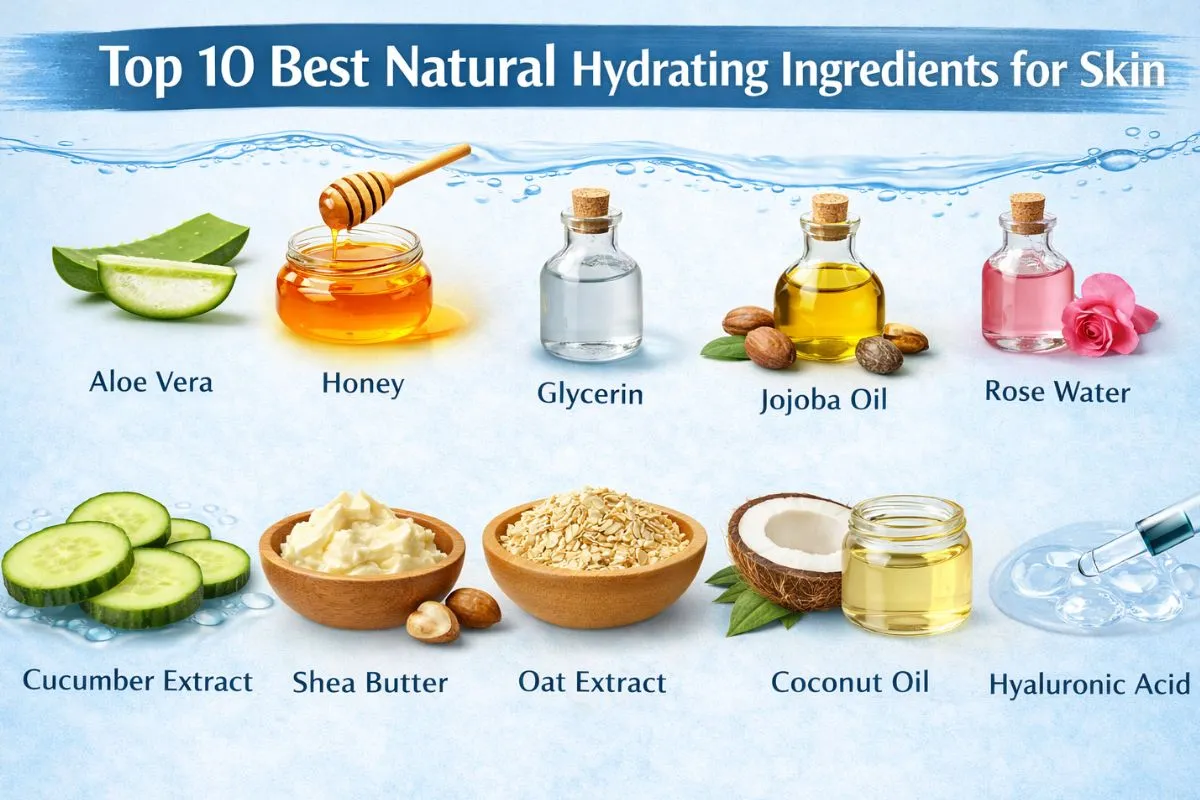
Now let’s explore the most effective and natural hydrating ingredients that act as a powerful natural moisturizer for skin.
1. Aloe Vera – The Ultimate Skin Soother
Aloe vera is one of the most popular hydrating ingredients known for its cooling and soothing properties.
- Deeply hydrates and calms irritation
- Works as a lightweight natural skin moisturizer
- Perfect for sensitive and acne-prone skin
Aloe vera contains water-binding compounds that help replenish lost moisture while soothing inflammation. It also supports skin healing, making it ideal for sun-exposed or irritated skin. Its non-greasy texture makes it suitable for daily use.
How to use: Apply fresh aloe gel directly or use it in a face mask for instant natural face hydration.
2. Honey – Nature’s Humectant
Honey naturally attracts moisture, making it one of the best hydration ingredients for skin.
- Locks moisture into the skin
- Adds glow and softness
- Acts as a gentle antibacterial agent
Honey works by drawing water from the environment into your skin, helping maintain long-lasting hydration. It also creates a protective layer that prevents moisture loss. Regular use can improve skin texture and give a natural glow.
How to use: Use raw honey as a face mask for a natural, glowing finish.
3. Glycerin – Deep Hydration Booster
Glycerin is a powerful humectant and a must-have in hydrating skin care ingredients.
- Draws water into the skin
- Improves elasticity
- Keeps skin hydrated for longer
It strengthens the skin’s natural moisture barrier and reduces dryness over time. Glycerin also helps other ingredients perform better by enhancing absorption. It’s especially effective in dry or air-conditioned environments.
How to use: Mix with rose water for a simple natural moisturizer for dry face.
4. Jojoba Oil – Balances and Hydrates
Jojoba oil mimics the skin’s natural oils, making it an excellent natural moisturizer for skin.
- Balances oil production
- Strengthens skin barrier
- Provides long-lasting hydration
Because its structure is similar to sebum, it helps regulate oil without clogging pores. It also seals in hydration while keeping the skin soft and smooth. This makes it suitable for both dry and oily skin types.
How to use: Apply a few drops after serum to seal in hydrating ingredients.
5. Shea Butter – Deep Nourishing Hydration
Shea butter is rich in fatty acids and acts as a powerful natural skin moisturizer.
- Repairs dry, damaged skin
- Locks in moisture
- Ideal for extremely dry skin
It forms a protective layer over the skin that prevents water loss and restores softness. Shea butter is also packed with vitamins that support skin repair and improve elasticity. It’s especially useful during winter or harsh weather.
How to use: Use as a night treatment for intense hydration ingredients for skin benefits.
6. Rose Water – Gentle Hydration Tonic
Rose water is a refreshing and soothing addition to hydrating skin care ingredients.
- Hydrates and tones
- Maintains pH balance
- Adds instant freshness
It helps refresh dull skin while providing light hydration throughout the day. Rose water also enhances the effectiveness of other ingredients when layered correctly. It’s gentle enough for all skin types.
How to use: Spray as a mist for quick natural face hydration.
7. Cucumber Extract – Cooling Hydration
Cucumber is rich in water and antioxidants, making it a natural choice among hydrating ingredients.
- Reduces puffiness
- Hydrates tired skin
- Soothes irritation
Its high water content instantly refreshes dehydrated skin while antioxidants help protect against environmental stress. Cucumber also has a cooling effect that reduces redness and tightness.
How to use: Apply fresh cucumber slices directly or blend into a DIY mask for instant natural face hydration.
8. Oat Extract – Barrier Repair Hero
Oats help restore the skin barrier and retain moisture.
- Soothes dry, itchy skin
- Acts as a gentle natural moisturizer for skin
- Perfect for sensitive skin
Oats contain beta-glucans that lock moisture into the skin and strengthen the barrier. They also calm inflammation, making them ideal for irritated or eczema-prone skin. Regular use improves overall hydration levels.
How to use: Mix oat powder with water or milk to create a calming face mask.
9. Coconut Oil – Moisture Locking Power
Coconut oil works as an occlusive to seal hydration.
- Prevents moisture loss
- Softens rough skin
- Best for very dry skin types
It forms a protective layer that traps moisture and prevents dehydration. Coconut oil is especially effective when used after applying lighter ingredients. However, it may not suit acne-prone skin.
How to use: Apply a small amount as the last step in your routine to lock in hydration overnight.
10. Hyaluronic Acid (Plant-Derived) – Deep Hydration Magnet
Though naturally derived through fermentation, it’s one of the most effective hydrating ingredients.
- Holds up to 1000x its weight in water
- Plumps and smooths skin
- Enhances overall hydration
It attracts and binds water to the skin, making it appear fuller and more youthful. It works best when combined with a natural skin moisturizer to seal the hydration. Without sealing, it may evaporate in dry climates.
How to use: Apply on damp skin before moisturizer to maximize absorption.
How to Use Hydrating Ingredients in Your Routine
To get the most out of these ingredients, follow a simple routine:
1. Cleanse Gently
Start with a mild, non-stripping cleanser to remove dirt without damaging your skin barrier.
Over-cleansing can actually worsen dehydration, so keeping this step gentle helps your skin stay receptive to hydration.
2. Apply Humectants (like glycerin or aloe)
Apply humectants on slightly damp skin to help them draw water into the skin effectively.
This step is crucial because humectants act as the foundation of all hydration ingredients for skin, pulling moisture where it’s needed most.
3. Add Emollients (jojoba oil, shea butter)
Emollients smooth the skin and repair tiny cracks in the barrier, making your skin feel soft and supple.
They also enhance the effectiveness of earlier hydrating ingredients by improving absorption and comfort.
4. Seal with Occlusives
Finish with an occlusive layer to lock in all the hydration and prevent water loss.
This step ensures your natural moisturizer for skin actually stays in place and works for longer, especially in dry or air-conditioned environments.
This layering method ensures your natural moisturizer for skin works effectively and gives long-lasting hydration.
Common Mistakes That Dehydrate Your Skin
Even with the best hydration ingredients for skin, certain habits can ruin results:
- Over-washing your face
- Using harsh soaps
- Skipping moisturizer
- Not drinking enough water
Avoiding these mistakes helps your hydrating skin care ingredients perform better.
Why Choose Natural Hydrating Ingredients
Natural hydrating ingredients are gentle, effective, and free from harsh chemicals. They work in harmony with your skin’s natural processes rather than disrupting its balance. Instead of forcing quick results, they support gradual, long-term hydration that feels more stable and sustainable over time.
They:
- Support long-term skin health
- Reduce irritation
- Provide sustainable beauty solutions
Natural ingredients are often rich in vitamins, antioxidants, and essential fatty acids that nourish the skin beyond just hydration. They don’t just add moisture, they help your skin retain it better.
Final Thoughts
Healthy, glowing skin isn’t about using more products, it’s about using the right hydrating ingredients that truly nourish your skin. By incorporating these powerful natural solutions into your routine, you can achieve soft, radiant, and deeply hydrated skin without relying on harsh chemicals.
Ready to transform your skincare naturally? Explore Hudira’s herbal skincare products and experience the power of nature-backed hydration for your skin.
FAQs
Q. How to moisturize skin without lotion?
You can use natural oils like jojoba, aloe vera gel, or honey as hydrating ingredients to keep your skin soft without traditional lotion.
Q. What are the best hydrating ingredients for daily use?
Aloe vera, glycerin, and rose water are among the best hydrating ingredients for everyday skincare.
Q. Can oily skin use natural moisturizer for skin?
Yes, lightweight hydrating ingredients like aloe vera and jojoba oil work perfectly for oily skin.
Q. Which natural moisturizer for dry face works best?
Shea butter and honey are excellent choices for a natural moisturizer for dry face.
Q. How often should I use hydration ingredients for skin?
You can use hydration ingredients for skin daily as part of your morning and night routine.
Add comment