
No products in the cart.
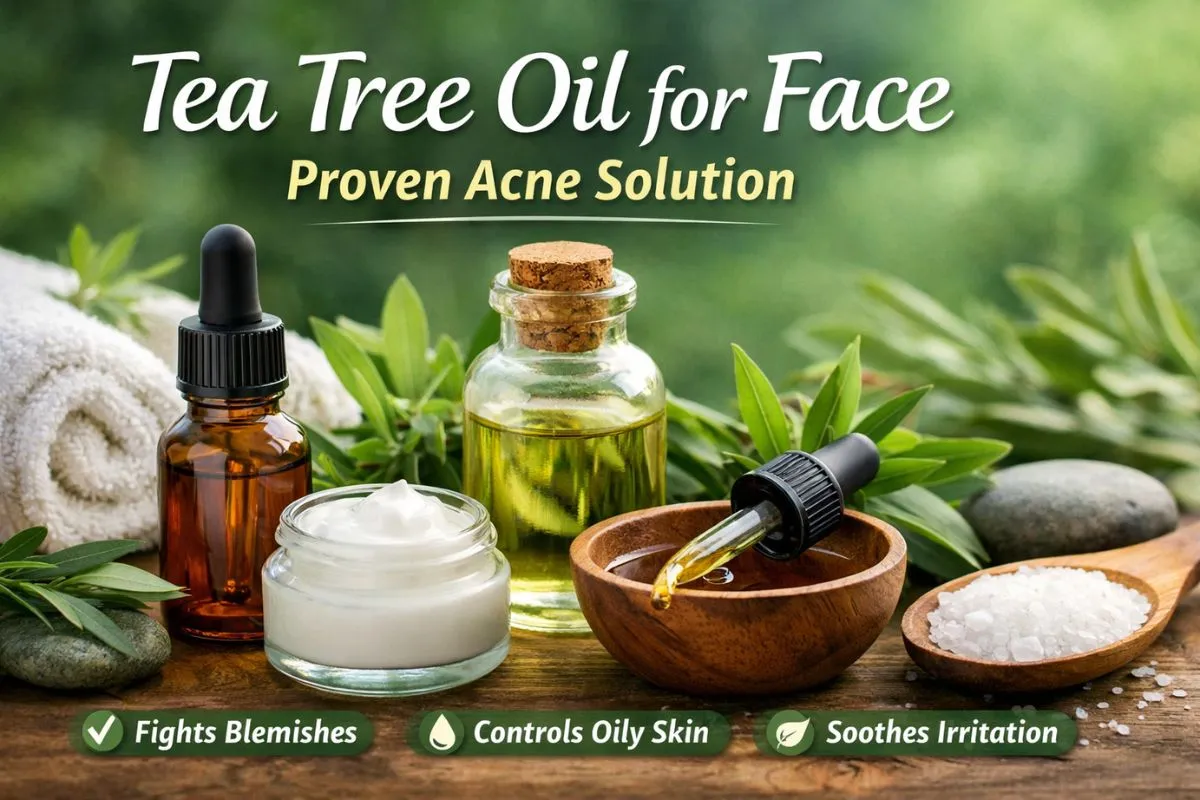
Tea tree oil for face has become one of the most talked-about natural skincare remedies in the world and for good reason. This potent botanical extract is known for its clarifying, purifying, and soothing properties, making it a favorite for oily, acne-prone, and congested skin. From reducing blemishes to balancing excess oil, tea tree oil offers powerful natural support without harsh chemicals.
But here’s the real question, if it’s so strong and effective, why do so many people experience irritation or dryness? Is there a secret method to unlocking the true power of tea tree oil for face safely and effectively? The answer lies in understanding proper dilution, application techniques, and skin type compatibility and once you learn that, everything changes.
Let’s dive in.
What Is Tea Tree Oil?
Tea tree oil is an essential oil derived from the leaves of Melaleuca alternifolia, a plant native to Australia. Traditionally used for its antimicrobial and anti-inflammatory properties, it has earned a strong reputation in natural skincare.
Today, tea tree oil uses for skin range from acne treatment and oil control to calming redness and soothing irritation. Unlike synthetic spot treatments, tea tree oil for skin works in harmony with the skin’s natural barrier when used correctly.
Tea Tree Oil for Face: Why It Works
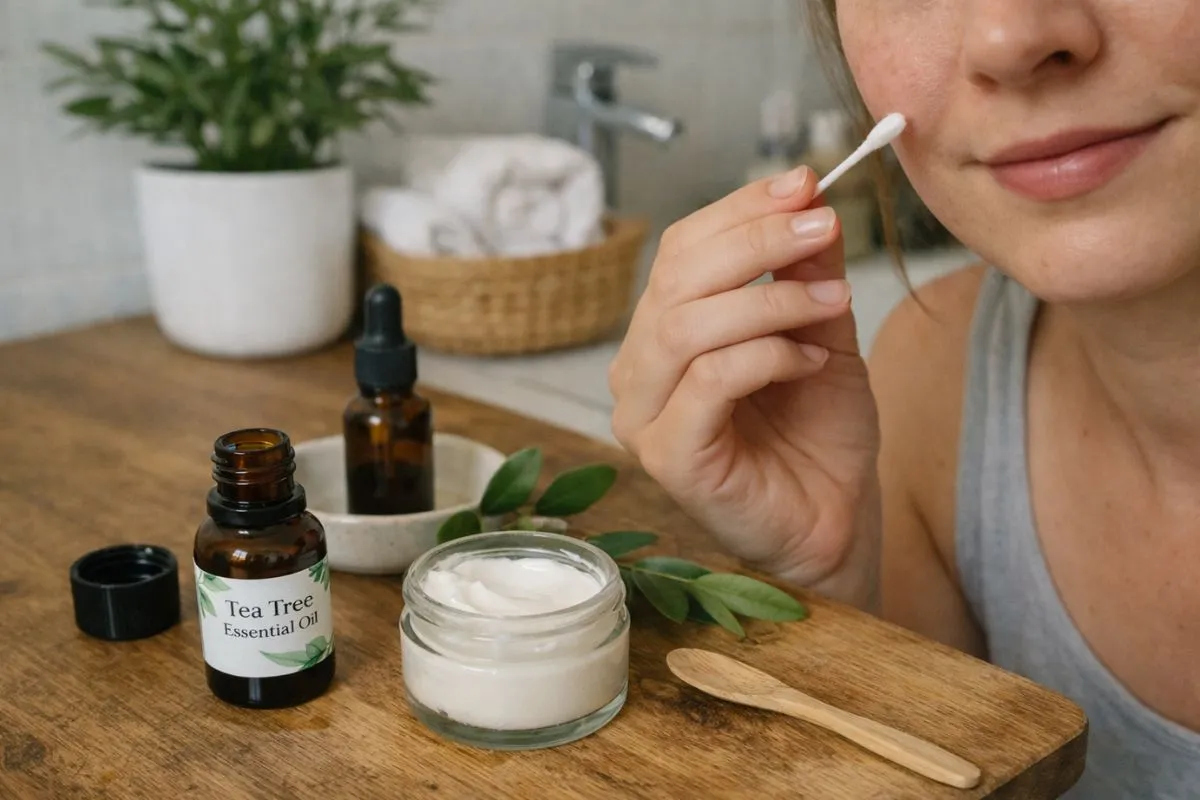
The reason tea tree oil is so effective comes down to its natural composition. It contains terpinen-4-ol, a compound known for antimicrobial activity. This makes it particularly helpful in targeting acne-causing bacteria
Here’s how tea tree oil for skin supports facial health:
- Helps reduce acne-causing bacteria
- Minimizes excess sebum production
- Calms inflamed or irritated skin
- Supports clearer-looking pores
- Promotes balanced skin tone
These remarkable tea tree oil benefits for skin explain why it remains a staple in herbal and dermatological skincare routines.
Powerful Tea Tree Oil Benefits for Skin
Let’s explore the most impressive tea tree oil benefits for skin, especially when used on the face.
1. Fights Acne Naturally
One of the most well-known tea tree oil uses for skin is acne care and this is where it truly shines. Thanks to its natural antibacterial and anti-inflammatory properties, tea tree oil for face helps reduce acne-causing bacteria while calming irritated breakouts. Unlike harsh chemical treatments that strip the skin barrier, properly diluted tea tree oil for skin works gently to dry out pimples and support healing without excessive peeling. With consistent use, many people notice fewer inflamed blemishes and a visibly calmer complexion.
2. Controls Oily Skin
Excess oil production is often the root cause of clogged pores and recurring breakouts. When used correctly, tea tree oil may help regulate sebum production and balance overly oily skin. This is one of the most effective tea tree oil uses for skin, especially for those struggling with midday shine. By keeping oil levels in check, tea tree oil for skin helps reduce the chances of congestion while maintaining the skin’s natural protective barrier. The result? A fresher, more matte appearance without tightness.
3. Soothes Redness & Inflammation
Inflammation is the silent trigger behind many skin concerns from acne to irritation. One of the most appreciated tea tree oil benefits for skin is its ability to calm visible redness and swelling. When applied in diluted form, tea tree oil can reduce discomfort around active blemishes and irritated patches. This makes tea tree oil for skin particularly useful for those experiencing reactive breakouts or minor irritation. Over time, it helps restore a more even-toned and balanced look.
4. Helps Unclog Pores
Clogged pores often lead to blackheads, whiteheads, and textured skin. Because of its purifying properties, tea tree oil for face supports clearer pores by minimizing buildup of oil, bacteria, and impurities. Among the many tea tree oil uses for skin, pore care stands out as a major advantage for acne-prone individuals. When incorporated into a consistent skincare routine, diluted tea tree oil for skin encourages a smoother and more refined complexion. Clearer pores mean fewer breakouts and improved skin texture over time.
5. Supports Overall Skin Clarity
Beyond treating specific concerns, tea tree oil benefits for skin extend to overall clarity and balance. When used safely and consistently, tea tree oil helps maintain a healthier-looking complexion by reducing recurring blemishes and supporting skin renewal. This holistic effect is why many natural skincare enthusiasts rely on tea tree oil as a long-term maintenance ingredient. It doesn’t just target problems, it supports resilience, radiance, and confidence.
How to Use Tea Tree Oil for Face Safely
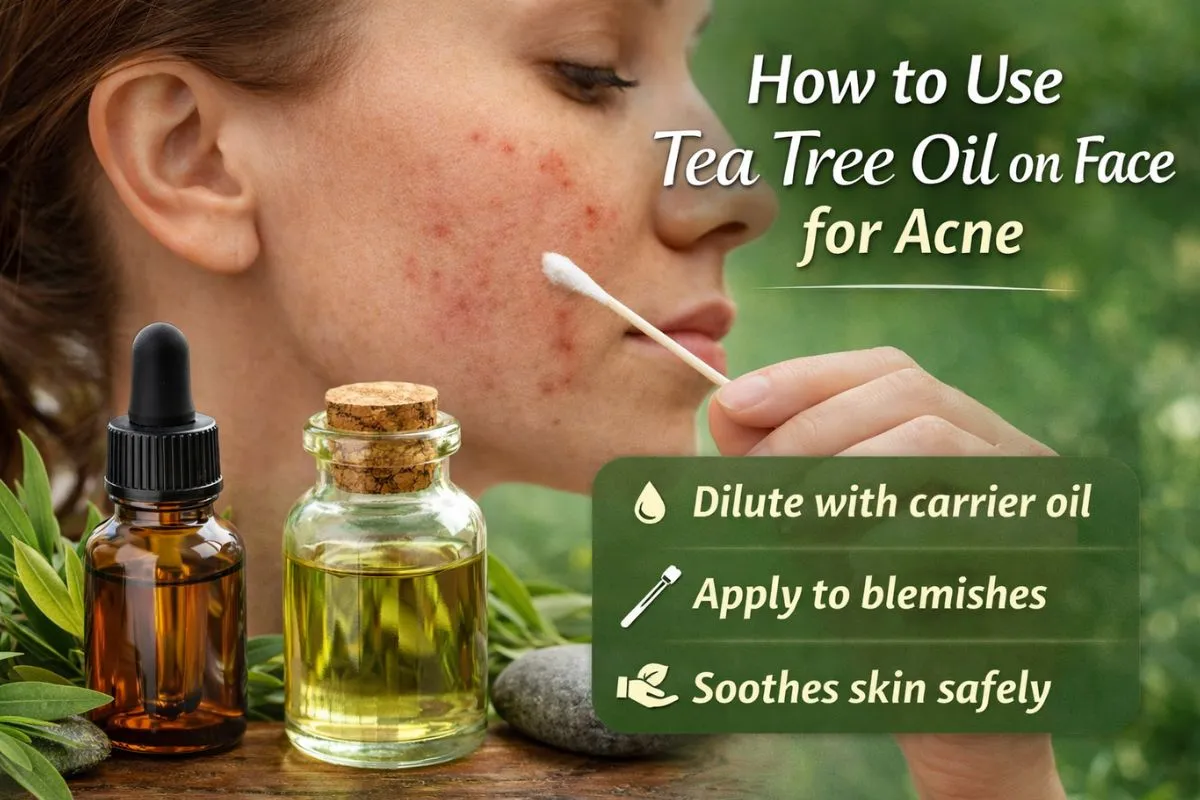
Here’s where most people go wrong: applying it directly.
Pure essential oils are highly concentrated. Applying undiluted tea tree oil may cause irritation or dryness. The key is dilution.
Step 1: Choose a Carrier Oil
Mix tea tree oil with:
- Jojoba oil
- Sweet almond oil
- Grapeseed oil
These oils allow tea tree oil for skin to penetrate gently.
Step 2: Follow Proper Dilution
For facial use:
- 1 drop tea tree oil
- 9–10 drops carrier oil
This 1% dilution is ideal for sensitive facial skin.
Step 3: Patch Test
Before full application, test diluted tea tree oil on your inner arm and wait 24 hours.
3 Best Ways to Use Tea Tree Oil for Face
1. Spot Treatment
Apply diluted tea tree oil for face directly on blemishes using a cotton swab.
2. Mix Into Moisturizer
Add 1 drop to your nightly moisturizer. This enhances tea tree oil uses for skin while maintaining hydration.
3. Herbal Face Mask Add-In
Combine aloe gel + clay + 1 drop diluted tea tree oil for skin. Leave for 10 minutes and rinse.
Who Should Avoid Tea Tree Oil for Face?
- Extremely sensitive skin
- Active eczema flare-ups
- Broken or damaged skin
- Children under 6
Even though tea tree oil benefits for skin are impressive, moderation and proper use are essential.
Tea Tree Oil for Face vs. Chemical Acne Treatments
Unlike benzoyl peroxide, tea tree oil does not bleach fabrics or cause aggressive peeling. However, results may take slightly longer.
If you prefer a gentle herbal approach, tea tree oil uses for skin offer a balanced alternative.
Common Mistakes When Using Tea Tree Oil for Face
- Applying it undiluted
- Using it daily from the start
- Mixing with too many actives
- Skipping moisturizer
Avoid these to maximize the benefits of tea tree oil for face.
Choosing High-Quality Tea Tree Oil
Look for:
- 100% pure essential oil
- No synthetic fragrance
- Dark glass bottle
- Reputable supplier
Quality significantly impacts how tea tree oil performs.
Why Herbal Skincare Lovers Trust Tea Tree Oil
People increasingly choose plant-based options because they want transparency, simplicity, and gentle effectiveness. Tea tree oil for face aligns perfectly with that philosophy.
When used correctly, it empowers your skin rather than forcing it.
Final Thoughts
Tea tree oil for face is powerful, natural, and transformative but only when used wisely. Its antibacterial and calming properties make it one of the most effective herbal remedies for acne-prone and oily skin.
By understanding dilution, frequency, and compatibility, you unlock the true potential of tea tree oil for skin without irritation.
If you’re ready to experience herbal clarity without compromise, explore Hudira’s carefully crafted herbal skincare solutions designed to complement the gentle strength of tea tree oil and elevate your routine naturally.
FAQs
Q. How to use tea tree oil on face safely?
Dilute 1 drop of tea tree oil with 9–10 drops of carrier oil and apply as a spot treatment. Always patch test first.
Q. Can I apply tea tree oil for face daily?
Start 2–3 times weekly. Increase gradually if your skin tolerates it.
Q. What are the tea tree oil benefits for skin?
It helps reduce acne, control oil, calm inflammation, and support clearer pores.
Q. Is tea tree oil for skin suitable for sensitive skin?
Yes, but only at a low dilution (0.5–1%) and after patch testing.
Q. Can tea tree oil uses for skin include full-face application?
It’s safer as a diluted treatment or mixed into moisturizer rather than used undiluted across the face.


Add comment