
No products in the cart.

Smooth, glowing skin is something we all dream of—but for many people, tiny dark dots, rough bumps, or uneven texture get in the way. If your skin looks dotted like the surface of a strawberry, you’re not alone. Strawberry skin is far more common than people realize, and the good news is: it’s treatable.
This condition often shows up on the legs, arms, or thighs and can make even healthy skin feel rough, dull, or stubbornly uneven. While it’s not harmful, strawberry skin can deeply affect confidence especially when you’re doing “everything right” and still not seeing results.
But here’s the part most blogs don’t tell you: not all strawberry spots on skin are the same. What works for one person may worsen the problem for another. In the sections ahead, we’ll uncover what’s really happening beneath your skin, why quick fixes fail, and how a thoughtful, gentle strawberry skin treatment can finally bring visible change without harsh chemicals or damage. Stick with me, because the solution may be simpler (and kinder) than you expect.
What Is Strawberry Skin?
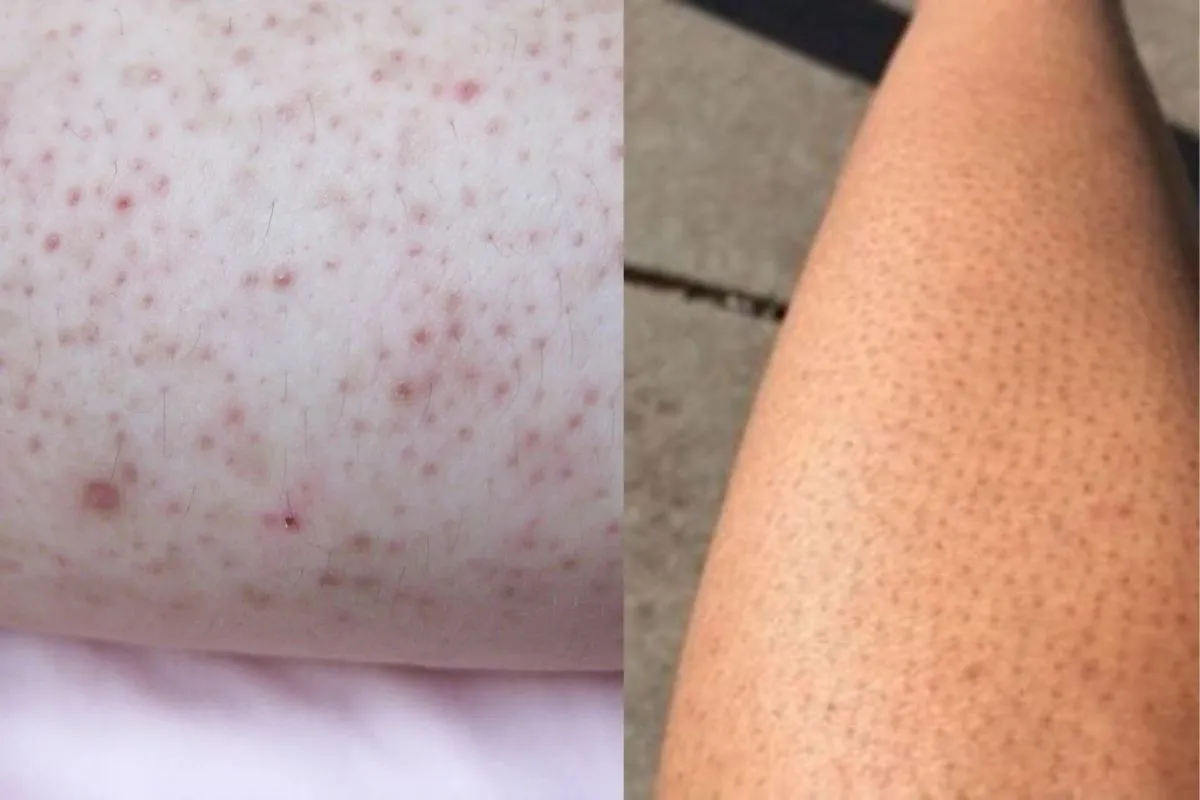
Strawberry skin is a descriptive term used for skin that appears dotted with dark pores or small bumps similar to the seeds on a strawberry. Medically, it isn’t one single condition but a visible result of underlying skin issues such as clogged pores, irritation, or inflammation.
Most commonly, strawberry spots appear on the legs, which is why many people refer to it as strawberry legs. However, it can also affect arms, thighs, buttocks, or even the face in rare cases.
These dark dots are usually hair follicles or pores that become clogged with oil, dead skin cells, bacteria, or oxidized debris. When exposed to air, they darken, creating the “strawberry” look.
What Causes Strawberry Legs and Strawberry Spots on Skin?
Understanding the cause is the foundation of an effective treatment. Let’s break it down clearly.
1. Clogged Hair Follicles
One of the most common causes of strawberry spots is clogged hair follicles. When excess oil, sweat, and dead skin cells build up inside pores, they react with air and oxidize, turning dark in color. These darkened pores appear as tiny dots on the skin, creating visible strawberry spots on skin, especially on the legs. This issue becomes more noticeable after shaving, when pores are open and more prone to blockage.
2. Shaving & Hair Removal Irritation
Improper shaving techniques play a major role in the formation of strawberry legs. Using dull or unclean razors, shaving on dry skin, or shaving against hair growth can irritate hair follicles. This irritation causes inflammation and darkened pores, worsening the appearance of strawberry skin over time. Repeated irritation without proper aftercare often makes strawberry legs more persistent.
3. Keratosis Pilaris (KP)
Keratosis Pilaris, often confused with strawberry spots, is a condition where excess keratin builds up and blocks hair follicles. This leads to rough, sandpaper-like bumps that commonly appear on arms, thighs, and legs. While KP may not always show dark dots, it can coexist with strawberry legs, making skin texture uneven and stubborn. Gentle exfoliation and hydration are key to managing both conditions.
4. Folliculitis
Folliculitis occurs when hair follicles become inflamed or infected, often due to bacteria, sweat, or friction. It can closely resemble strawberry spot, but usually presents with red, itchy, or pus-filled bumps rather than dark pores. Shaving, tight clothing, and poor hygiene can trigger folliculitis, especially on the legs. Identifying this condition correctly is crucial, as its strawberry legs treatment differs from simple clogged pores.
5. Dry or Compromised Skin Barrier
Dry, dehydrated skin can significantly worsen the appearance of strawberry spots. When the skin barrier is weak, pores appear larger and more textured, making strawberry legs look more prominent. Lack of moisture also slows skin repair and increases sensitivity after shaving or exfoliation. Consistent hydration and barrier-strengthening care are essential for long-term treatment success.
Strawberry Legs vs Keratosis Pilaris vs Folliculitis
| Condition | Appearance | Sensation | Key Difference |
| Strawberry legs | Dark dots, rough texture | Usually painless | Mostly clogged pores |
| Keratosis Pilaris | Tiny raised bumps | Dry, rough | Excess keratin buildup |
| Folliculitis | Red or pus-filled bumps | Itchy or sore | Bacterial or fungal |
Correct identification ensures the strawberry legs treatment you choose actually works.
Why Harsh Scrubs Make Strawberry Skin Worse
Many people attack strawberry spots with aggressive exfoliation—thinking friction equals results. Unfortunately, this backfires.
Harsh scrubs:
- Damage the skin barrier
- Cause micro-tears
- Increase inflammation
- Trigger more oil production
This leads to darker pores, more irritation, and longer healing time. A successful strawberry spots treatment must work with your skin, not against it.
The Most Effective Strawberry Skin Treatment (Step-by-Step)
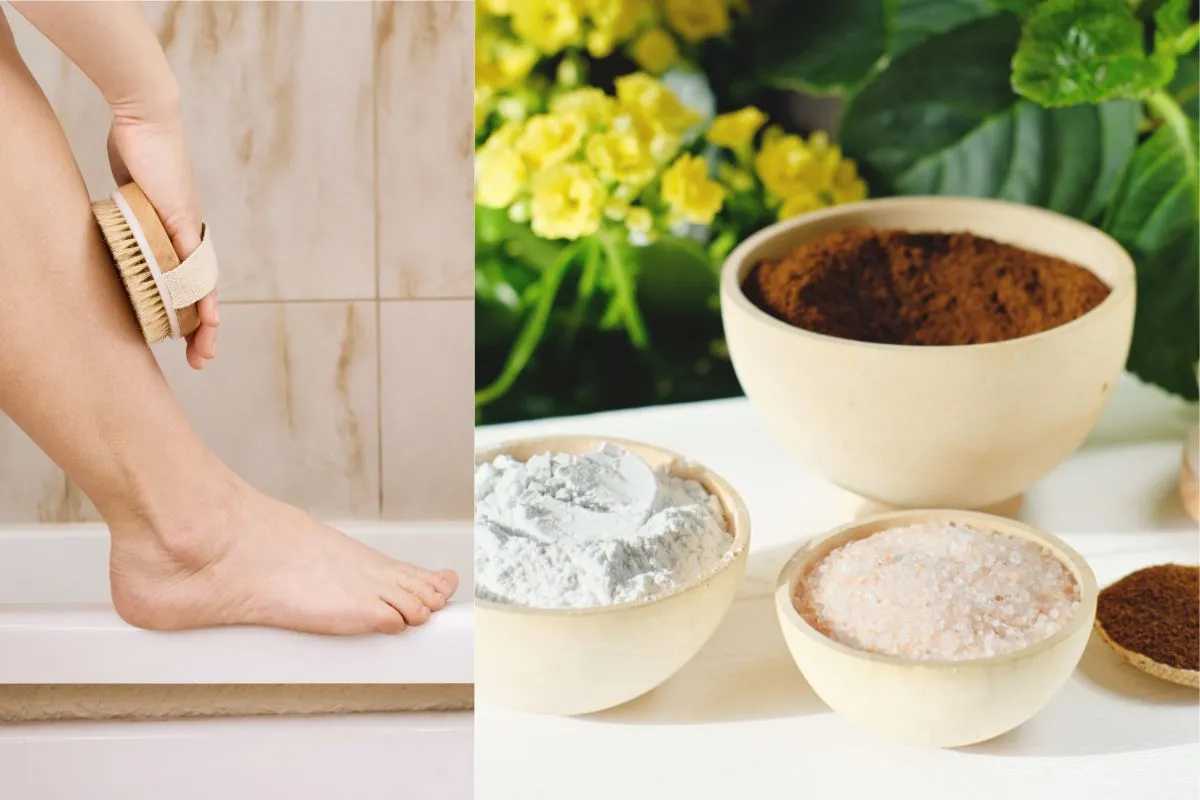
Step 1: Gentle Cleansing
Use a mild, sulfate-free cleanser that removes buildup without stripping moisture. Clean skin allows treatments to work better.
Step 2: Smart Exfoliation (2–3× weekly)
Instead of harsh scrubs, choose:
- Gentle chemical exfoliants
- Natural fruit-based acids
- Herbal enzyme blends
These dissolve dead skin without friction ideal for strawberry spots.
Step 3: Proper Hair Removal
For strawberry legs:
- Always shave after a warm shower
- Use a sharp, clean razor
- Shave with hair growth
- Avoid dry shaving
This alone can reduce strawberry spots dramatically.
Step 4: Deep Moisturization
Hydration is non-negotiable. A nourishing, plant-based moisturizer:
- Softens rough texture
- Reduces pore visibility
- Repairs the skin barrier
This step is critical for long-term strawberry legs treatment.
Natural & Herbal Remedies for Strawberry Skin
For those seeking gentle, skin-respecting care, herbal solutions are powerful allies.
1. Aloe Vera
Soothes inflammation, hydrates deeply, and supports healing.
2. Licorice Root
Brightens skin and reduces the appearance of dark strawberry spots.
3. Neem
Supports clear pores and balances oil.
4. Rose Water
Calms irritation and tightens the appearance of pores.
When used consistently, these ingredients improve strawberry spots treatment outcomes without side effects.
How Long Does Strawberry Skin Take to Go Away?
With the right routine:
- 2 weeks: texture begins to soften
- 4 weeks: dark dots visibly fade
- 6–8 weeks: smoother, clearer skin
Consistency matters more than intensity.
How to Prevent Strawberry Legs from Coming Back
Prevention is just as important as treatment.
- Moisturize daily
- Avoid harsh soaps
- Replace razors regularly
- Exfoliate gently, not daily
- Keep skin hydrated from within
A barrier-focused routine is the secret to preventing strawberry legs long term.
When Should You See a Dermatologist?
If your strawberry skin:
- Is painful
- Shows pus or spreading redness
- Doesn’t improve after 8 weeks
Seek medical advice to rule out infection or chronic folliculitis.
Why Hudira’s Herbal Approach Works
At Hudira, we believe skin heals best when treated with respect. Our herbal formulations are designed to:
- Support the skin barrier
- Calm inflammation
- Gently resurface texture
- Nourish without clogging pores
If you’re tired of harsh products and want real results, Hudira’s herbal body care offers a skin-friendly path to smoother, clearer confidence.
Your skin doesn’t need punishment—it needs care.
FAQs
Q. What is strawberry skin?
Strawberry skin is a condition where pores or hair follicles appear dark and dotted, resembling a strawberry’s surface.
Q. How to treat strawberry legs naturally?
Use gentle exfoliation, proper shaving techniques, deep moisturization, and herbal soothing ingredients consistently.
Q. How to get rid of strawberry legs permanently?
While results vary, long-term improvement comes from consistent care, avoiding harsh scrubs, and maintaining skin hydration.
Q. How to prevent strawberry legs?
Moisturize daily, exfoliate gently, shave properly, and protect your skin barrier.
Q. How to get rid of strawberry legs without shaving?
Switch to waxing, epilators, or laser options while maintaining a calming skincare routine.
Call to Action
Ready to transform rough, dotted skin into something you love touching?
Explore Hudira’s herbal skincare collection—crafted to support gentle exfoliation, deep nourishment, and long-term skin clarity.
Your journey to smoother, healthier skin starts with kinder care.


Add comment