
No products in the cart.
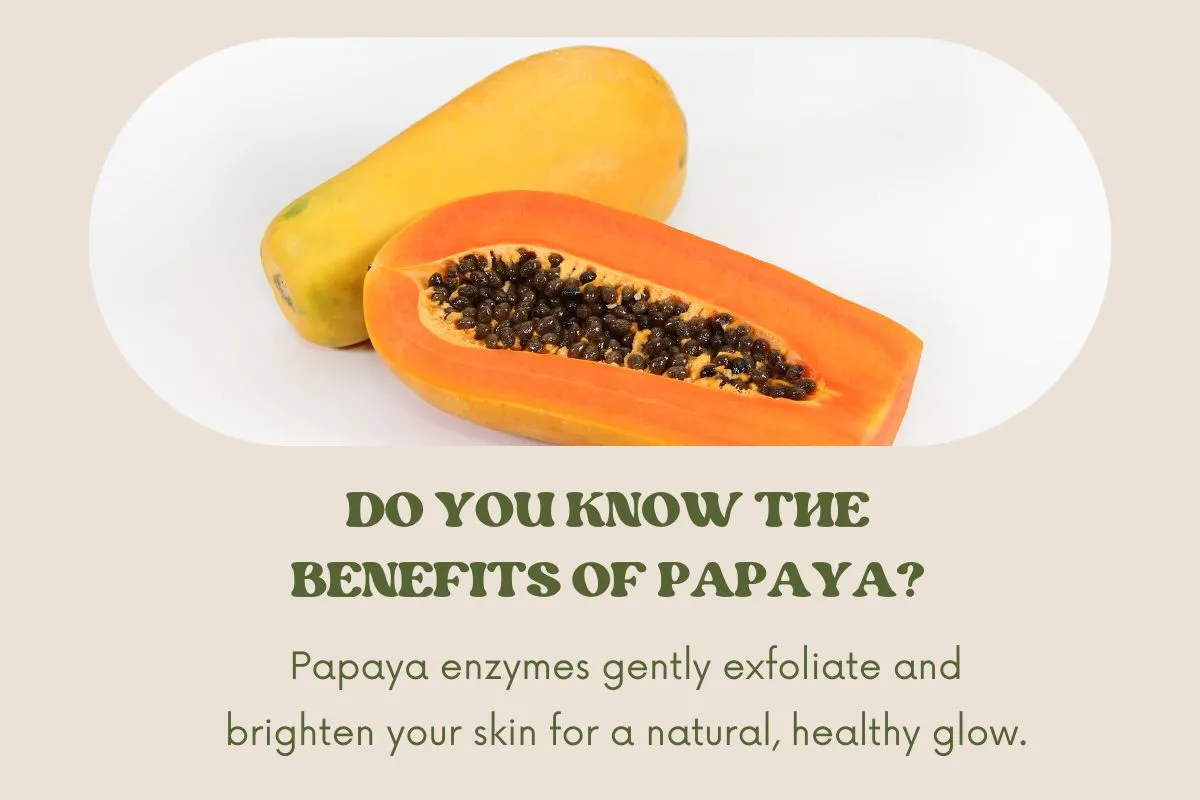
Imagine a gentle exfoliant that renovates your skin without the harshness of scrubs or strong acids. Papaya enzyme for face routines deliver exactly that nature’s own surfacing power through the enzyme papain. At Hudira, we blend herbal science with clean skincare to offer you radiant, healthy skin in Pakistan’s unique climate.
Now, picture discovering the hidden mechanism that makes this enzyme so powerful and how you could incorporate it into your skincare routine for smoother, brighter skin. Read on to unlock the science, the benefits and the step-by-step application of this remarkable enzyme.
What Is the Papaya Enzyme (Papain) and Why Does It Work?
When we refer to papaya enzyme for face, what we actually mean is the enzyme papain, derived from the fruit of Carica papaya. This proteolytic enzyme breaks down protein bonds namely keratin and dead skin cells enabling gentle exfoliation.
In skincare formulation, research shows that papain retains significant activity even at lower temperatures and at pH values down to ~4.5, though optimal formulation requires careful balancing of concentration, contact time and pH.
Thus, the magic of using a papaya enzyme exfoliator lies in harnessing this enzyme in a skin-safe formula so it can dissolve the “glue” holding dead skin cells together delivering renewal without abrasive friction.
Many Benefits of Papaya Enzyme for Skin
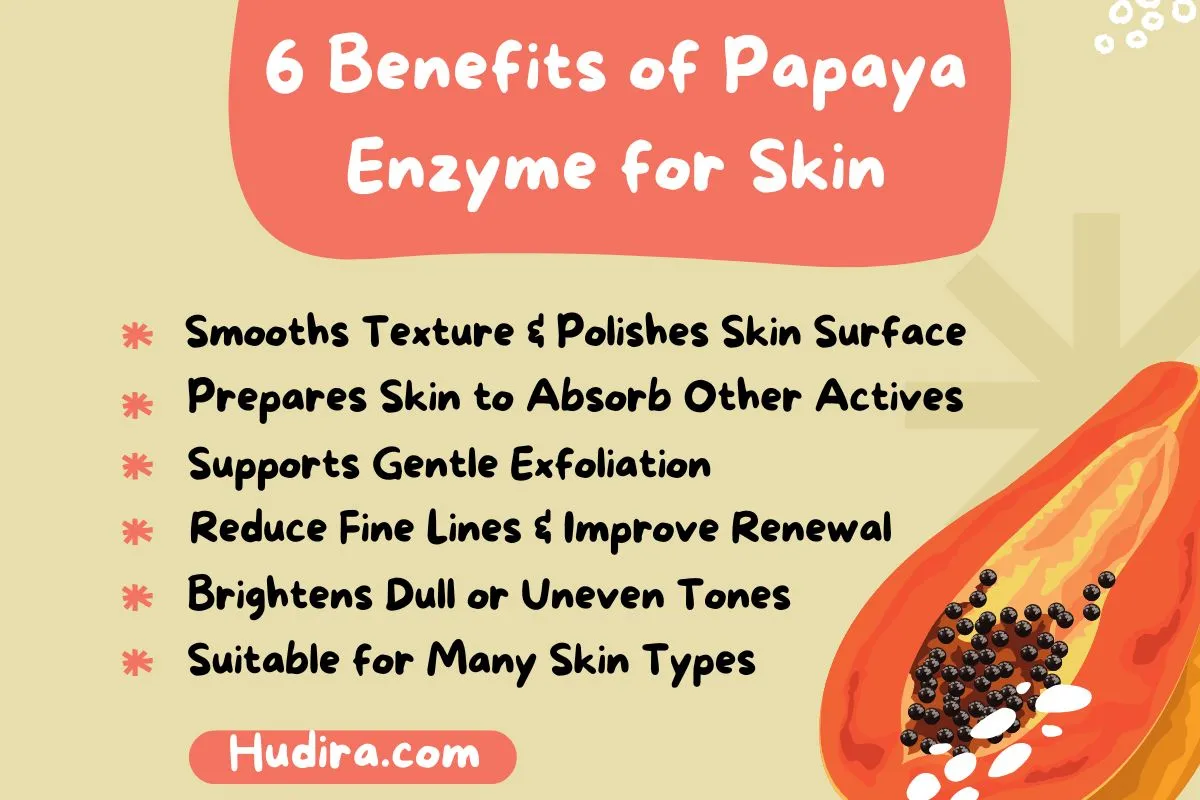
Let’s explore the full range of papaya enzyme benefits for skin, emphasizing how you can apply them in a real-life routine:
1. Smooths Texture & Polishes Skin Surface
Using papaya enzyme for face products can significantly improve skin texture over time. The active compound, papain enzyme for skin, gently breaks down dead cells and keratin buildup that make your skin feel rough or bumpy. Regular use helps minimize clogged pores and uneven patches, giving your skin a polished, refined feel. Compared to harsh scrubs, papain skincare provides a silky smooth finish without micro-tears or irritation. With consistent use, your complexion appears softer, clearer, and more radiant a true reflection of healthy renewal.
2. Brightens Dull or Uneven Tone
Another key papaya enzyme benefit for skin is its natural brightening effect. When you exfoliate with papaya enzyme for face, it removes the dull outer layer that often traps impurities and sun damage. The result is a fresher, more luminous complexion that glows naturally. The antioxidants and vitamin C found in papaya also work to fade dark spots and even out pigmentation, enhancing your natural tone. With every cleanse, papain enzyme for skin gently revives your face’s radiance, making it look awake, balanced, and beautifully even.
3. Supports Gentle Exfoliation—Especially for Sensitive or Oily Skin
If you have sensitive or acne-prone skin, papaya enzyme for face is a game-changer. The papain enzyme for skin breaks down dead cells without the harsh friction caused by scrubs or the stinging of strong acids. This makes it perfect for those who struggle with irritation or redness. Papain skincare works at the surface level, gently renewing the skin barrier while keeping inflammation under control. With regular use, your complexion feels refreshed, smooth, and clean all without compromising your skin’s natural balance.
4. May Help Reduce Fine Lines & Improve Renewal
Over time, slow cell turnover can make your skin look tired and emphasize fine lines. The papaya enzyme for face helps accelerate natural renewal by removing dull surface cells and revealing the newer, more supple skin underneath. Papain skincare supports smoother texture and improves the overall elasticity of your skin. Enzymatic exfoliation also allows collagen-boosting ingredients to penetrate more effectively, enhancing the anti-aging benefits. With consistent use, papain enzyme for skin can make your face appear youthful, soft, and vibrant.
5. Prepares Skin to Absorb Other Actives
When your skin is layered with dead cells, serums and moisturizers can’t fully sink in. Using papaya enzyme for face clears that barrier, creating a clean canvas for your skincare to work effectively. After exfoliation, the papaya enzyme skin benefits continue as your face absorbs nutrients, antioxidants, and hydration more efficiently. This is why beauty experts recommend using an enzyme cleanser or exfoliant before applying serums. The result is faster results, enhanced glow, and a visibly healthier complexion.
6. Suitable for Many Skin Types
The versatility of papaya enzyme for face makes it suitable for nearly every skin type from dry and dull to oily and acne-prone. Since the papain enzyme for skin works gently without stripping natural oils, it’s ideal even for those with sensitive complexions. Its lightweight action keeps the pores clear, supports hydration, and restores radiance in all climates. Whether you’re using an enzyme cleanser or a mask, the benefits of papaya enzyme on skin remain consistent: smoothness, clarity, and balanced freshness.
How Papain (Papaya Enzyme) Differs from Other Exfoliants
| Exfoliant Type | Mechanism | Typical Irritation Risk | Best For | Why Papaya Enzyme Stands Out |
| Physical Scrub | Abrasive particles scrub off dead skin | High (especially on sensitive skin) | Occasional use only | Papain dissolves bonds without friction |
| AHA/BHA Acids | Dissolve inter-cellular glue and target sebum/keratin | Moderate to High | Oil/combination skin, stronger exfoliation | Papaya enzyme offers gentler option |
| Papain Enzyme (Papaya enzyme for face) | Protease dissolves dead-skin proteins | Lower if well-formulated | All skin types, sensitive skin | Natural, gentle, dual action (exfoliation + skin renewal) |
Research in enzyme peels confirms that proteolytic enzymes such as papain are emerging as controlled exfoliants with minimal abrasion.
How to Use Papaya Enzyme for Face — Smart Routine Tips
At Hudira, we recommend the following step-by-step routine to get the most from a papaya enzyme exfoliator:
- Cleanse with a gentle, non-enzyme cleanser to remove makeup, sunscreen and surface grime.
- Apply your enzyme product (look for “papain”, “papaya enzyme”, or “papaya enzyme cleanser/mask” on the label).
- If using a mask: apply 5-10 minutes, then rinse.
- If using a cleanser: massage 30–60 seconds, then rinse.
- Rinse thoroughly with lukewarm water and pat dry.
- Follow with a soothing serum or light moisturiser, ideally containing hydrating/repair ingredients (e.g., ceramides, peptides).
- Finish with broad spectrum sunscreen (SPF) — vital especially in Pakistan’s sun-intensive environment.
Frequency guidelines:
- For most skin types: use a papaya enzyme product 2–3 times per week.
- For sensitive/compromised skin: start at 1 time/week and observe how your skin responds.
Avoid combining strong acid peels (e.g., high % AHAs/BHAs) on the same night to minimise irritation risk. On days of enzyme use, simpler follow-up routines are better.
What to Look for When Choosing a Papaya Enzyme Product
- Look for the ingredient papain listed early in the formula or “papaya enzyme extract”.
- Check pH: an enzyme product should ideally maintain a skin-friendly pH (around 4.5-6) for optimal activity. Research shows papain retains significant activity even at pH 4.5.
- Choose stable formats and trusted brands enzymes can degrade if exposed to high heat or incorrect formulation.
- For Hudira’s herbal ethos: look for clean, minimal-fragrance, halal-certified, dermatologically safe claims.
- Consider your skin’s climate context: in humid conditions (like Karachi) avoiding thick occlusive products after exfoliation helps breakout-risk.
The Science Behind Papaya Enzyme Exfoliation
Let’s dive a little deeper into the mechanism of how papain enzyme for skin works:
- Papain enzymatically hydrolyses protein bonds in keratin and collagen fragments at the skin surface, thereby loosening the stratum corneum and facilitating exfoliation.
- Research indicates that enzyme activity depends significantly on concentration, contact time and pH so formulation matters.
- Papaya fruit extracts feature additional antioxidant compounds (kaempferol, quercetin, caffeic acid) which contribute to anti-aging and protection from oxidative stress.
- Safety assessments show that papaya-derived cosmetic ingredients at typical use concentrations are safe.
Note: Some research (for example on barrier integrity) indicates that papain may affect tight-junction proteins and increase transepidermal water loss (TEWL) if mis-used or used on compromised skin.
So: always patch-test and use it with proper after-care.
Papaya Enzyme for Skin in Pakistan’s Climate & Hudira’s Perspective
Living in Pakistan, especially in humid, high-UV zones, your skin faces unique stressors: heat, sweat, pollution, strong sun rays. Here’s how to maximise the benefits of papaya enzyme for face in this environment:
- Use enzyme exfoliation on evenings after the day’s exposure this helps reset your skin surface before bedtime repair.
- Follow with a lightweight, non-comedogenic moisturiser and don’t skip broad-spectrum SPF next morning.
- For oily or combo skin types common in humid regions: enzyme exfoliation helps reduce surface buildup and shine without rough scrubs that may stimulate more oil production.
- Hudira’s brand positioning: we believe in herbal + clean formulations that are safe for Pakistani skin and climate. Our enzyme-based/plant-powered products complement exfoliation routines while being gentle and climate-aware.
Potential Risks & How to Use Safely
While papaya enzyme exfoliator offers many benefits, safe use matters:
- Patch-test before full face use (especially if you have sensitive or reactive skin).
- Avoid on broken/compromised skin or immediately after invasive treatments (peels, lasers).
- Don’t over-use: more frequent than 3×/week may lead to barrier disruption or over-exfoliation (research flags potential barrier impact).
- Use sunscreen. Exfoliated skin is more vulnerable to UV damage.
- Combine modestly: on nights when using enzyme exfoliation, avoid layering harsh actives (strong retinol, high-strength acid) unless advised by dermatologist.
Enzyme Cleanser Benefits — Why They’re Trending
An enzyme cleanser incorporating papaya enzyme offers multiple advantages:
- Cleansing + exfoliating in one step — efficient for busy routines.
- Gentle — ideal for those who dislike abrasive scrubs or sensitive to strong acids.
- Helps improve absorption of following skincare by prepping the skin surface.
Wrapping Up & Hudira’s Call to You
When you choose a papaya enzyme for face routine, you’re opting for a smart, efficient, gentle exfoliation tool rooted in nature and backed by science. At Hudira, our clean-beauty promise means we offer you products formulated with natural ingredients, so you achieve smooth, glowing skin without compromise.
Visit Hudira.com to explore our range of herbal products, subscribe for expert skincare tips, and unlock a special first-purchase discount. Your smoother, brighter skin awaits.
FAQs
Q. What is papaya enzyme good for?
The enzyme papain (from papaya) helps exfoliate dead skin cells, smooth texture, brighten tone, and prepare the skin for better absorption of skincare making it a smart natural choice for resurfacing.
Q. How often should I use a papaya enzyme exfoliator for face?
Generally 2-3 times per week is optimal; for sensitive or newly exfoliated skin start with 1-2 times per week and adjust based on skin response.
Q. Can I use a papaya enzyme cleanser if my skin is sensitive or acne-prone?
Yes — an enzyme cleanser is one of the gentler exfoliation options. Choose a well-formulated product, patch-test first, and avoid combining with harsh actives until your skin adapts.
Q. What difference does papaya enzyme exfoliation make versus acids or scrubs?
Unlike physical scrubs (which can be abrasive) or strong acids (which may cause irritation), papain dissolves dead-skin protein bonds in a more controlled, gentle manner — offering smoother skin without rough scrubbing.
Q. Are there any risks when using papaya enzyme for skin?
Minor risks include over-exfoliation (leading to barrier damage), possible allergic reaction if you have sensitive skin, and sun-sensitivity post-use. Always follow up with SPF and avoid using it on broken skin.

Add comment