
No products in the cart.
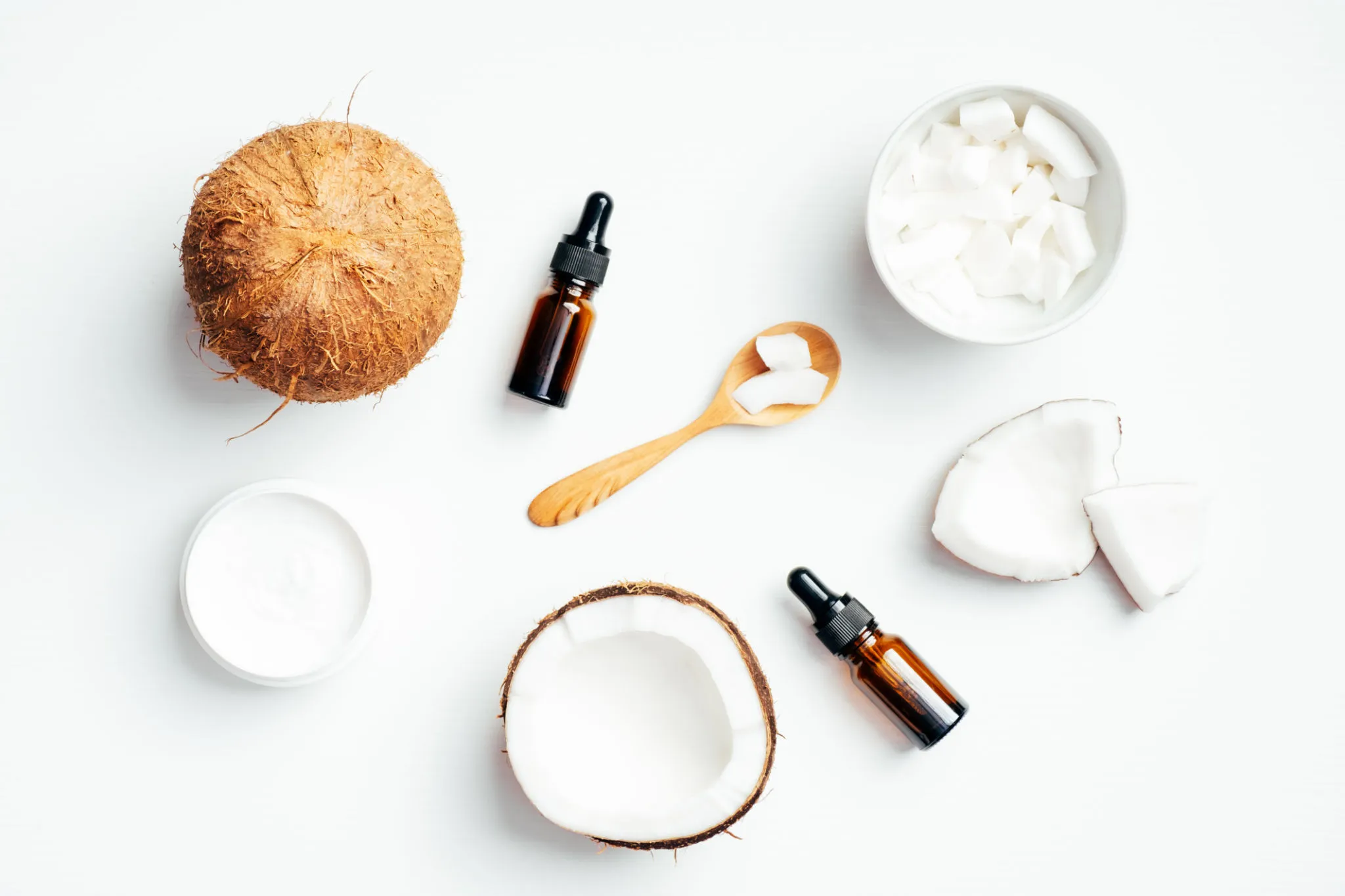
For centuries, coconut oil for skin has been cherished as a natural beauty secret passed down through generations. From tropical rituals to modern skincare routines, this humble oil has earned its place as a powerful, plant-based solution for nourishing and protecting the skin. Rich in essential fatty acids and deeply moisturizing compounds, coconut oil continues to spark curiosity among skincare lovers searching for simple, effective, and natural alternatives.
But here’s where it gets interesting while coconut oil and skin seem like a perfect match, not every skin type responds the same way. Is it truly a glow-booster or a pore-clogger in disguise? Can virgin coconut oil really replace your moisturizer, or is there a smarter way to use it? Stay with me, because by the end of this guide, you’ll know exactly how to use coconut oil safely, who should avoid it, and how to unlock its real benefits without risking your skin.
What Makes Coconut Oil Special for Skin?
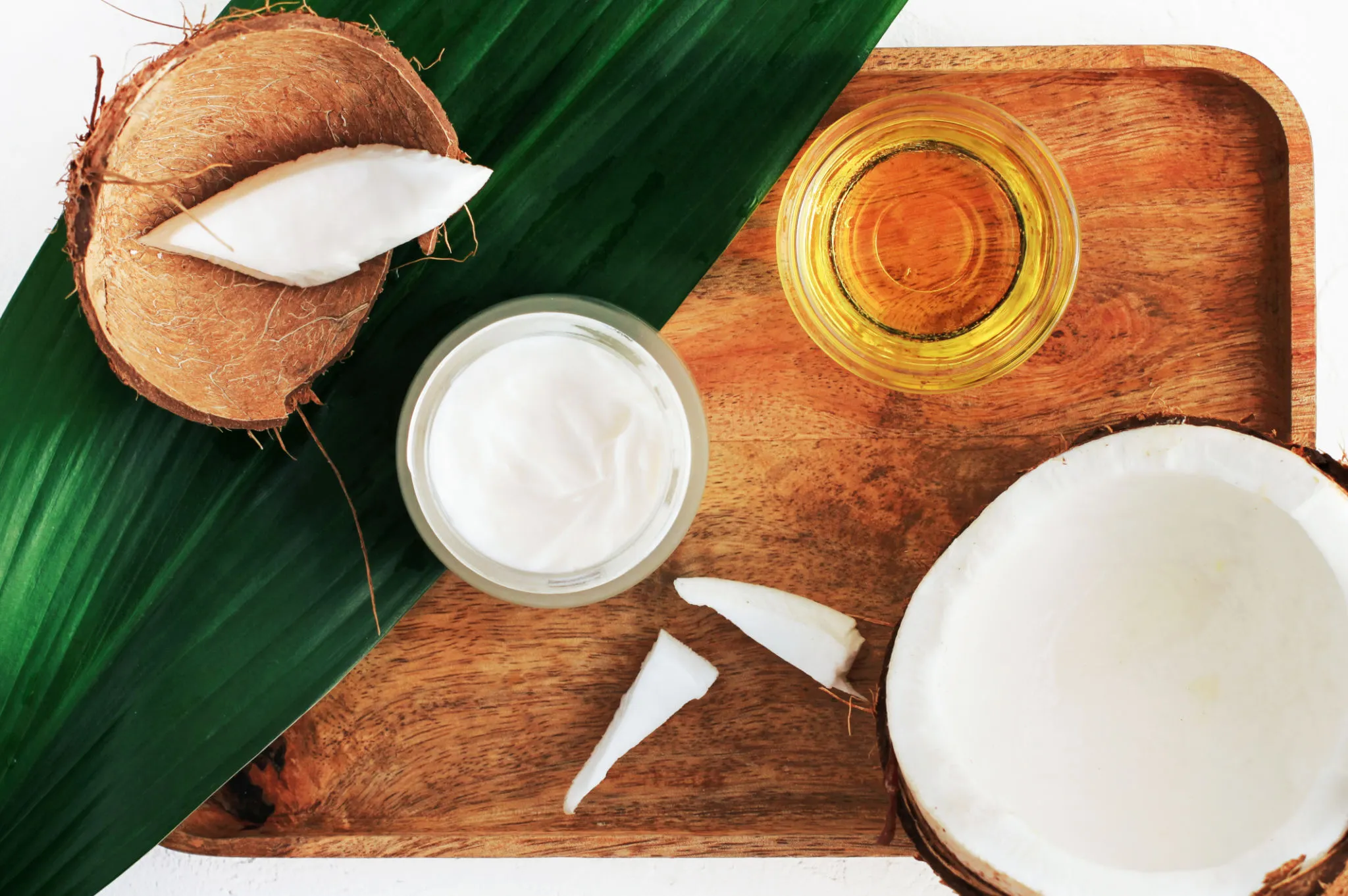
At its core, coconut oil for skin works because of its unique fatty acid profile. Nearly 50% of coconut oil consists of lauric acid, a compound known for its antibacterial and anti-inflammatory properties. This makes coconut oil benefits particularly valuable for dry, compromised, or irritated skin barriers.
Unlike water-based lotions, coconut oil acts as an occlusive, meaning it seals moisture into the skin. When applied correctly, it helps prevent transepidermal water loss (TEWL), leaving skin feeling soft, smooth, and protected. This is why coconut oil and skin care go hand in hand in traditional beauty practices.
However, quality matters. Virgin coconut oil cold-pressed and unrefined retains antioxidants and beneficial compounds that refined versions often lose. If you’re using coconut oil on your skin, virgin is the gold standard.
Coconut Oil Benefits for Skin (Backed by Real Use)
Let’s break down the most talked-about coconut oil benefits honestly and clearly.
1. Deep Moisturization for Dry Skin
One of the strongest coconut oil benefits for skin is intense hydration. It works best on dry and dehydrated skin by sealing in moisture after cleansing or bathing. This makes coconut oil for face and body especially helpful during winter or in dry climates.
2. Supports Skin Barrier Repair
A damaged skin barrier leads to dullness, sensitivity, and irritation. Coconut oil and skin barrier repair go together when used correctly, as the oil reinforces the lipid layer that keeps skin resilient.
3. Soothing for Sensitive or Irritated Skin
Thanks to its calming properties, virgin coconut oil can help reduce redness and discomfort when skin feels stressed. Many people use it for post-shaving care or mild dryness-related irritation.
4. Gentle Makeup Removal
Used sparingly, coconut oil for face cleansing can dissolve stubborn makeup while keeping skin soft. This is where coconut oil as face lotion or cleanser shines when followed by proper cleansing.
Coconut Oil for Face: Is It Safe?

Here’s the truth most blogs skip.
Coconut oil for face is not universally suitable. While it benefits dry and mature skin, it has a high comedogenic rating, meaning it can clog pores especially for oily or acne-prone skin.
That doesn’t mean coconut oil is “bad.” It means how and where you use it matters.
Best suited for:
- Dry skin
- Normal skin
- Mature skin
- Body care
Use with caution if you have:
In such cases, coconut oil for face moisturizer should only be used sparingly or avoided on the face altogether.
Virgin Coconut Oil vs Regular Coconut Oil
Not all coconut oils are created equal.
Virgin coconut oil is:
- Cold-pressed
- Unrefined
- Rich in antioxidants
- Free from harsh processing
Refined coconut oil may still moisturize, but it lacks the full coconut oil benefits found in virgin oil. If skincare is your goal, always choose virgin.
Coconut Oil as Face Lotion: Smart or Risky?
Using coconut oil as face lotion can be effective only when applied strategically. It works best as:
- A night sealant over damp skin
- A spot moisturizer for dry patches
- A body lotion alternative, not a daily facial cream
For everyday facial use, pairing lighter botanical oils or gel-based moisturizers is safer especially for sensitive or acne-prone skin.
Coconut Cooking Oil on Skin: Should You Use It?
A common question is whether coconut cooking oil on skin is safe. While edible coconut oil may moisturize, it’s not always processed for cosmetic use. It may lack purity standards, increasing the risk of irritation.
For skincare, always choose oils labeled for cosmetic or topical use to ensure safety and effectiveness.
How to Use Coconut Oil for Skin Safely
To enjoy coconut oil without unwanted side effects, follow these tips:
- Always patch test before full use
- Apply on damp skin to lock in moisture
- Use minimal quantity — a little goes a long way
- Avoid daily facial use if you have oily skin
- Choose virgin coconut oil only
When used correctly, coconut oil and skin care can be a beautiful, nourishing match.
Coconut Oil and Skin Types: A Quick Guide
- Dry skin: Highly beneficial
- Normal skin: Safe in moderation
- Sensitive skin: Patch test first
- Oily/acne-prone skin: Avoid facial use
Understanding your skin type is the key to unlocking true coconut oil benefits.
Why Natural Formulations Matter More Than Single Oils
While coconut oil is powerful, skincare works best when ingredients are balanced. Pure oils alone can’t address every skin concern. That’s where thoughtfully formulated herbal products make a difference — combining oils, humectants, and soothing botanicals in the right ratio.
This is the philosophy behind Hudira’s natural skincare — using coconut oil intelligently, not excessively.
Call to Action:
If you’re looking for skincare that combines the wisdom of coconut oil with expertly balanced herbal ingredients, explore Hudira’s natural skincare range — crafted to nourish, protect, and celebrate your skin the way nature intended.
Your skin deserves care that’s pure, thoughtful, and truly effective.
FAQs
Q. Is coconut oil healthy for your skin?
Yes, coconut oil for skin can be healthy when used correctly, especially for dry or normal skin types. However, it may clog pores for oily or acne-prone skin.
Q. Can coconut oil be used daily on the face?
Daily use of coconut oil for face is not recommended for everyone. Dry skin may tolerate it, but oily skin should avoid regular facial use.
Q. Is virgin coconut oil better for skin?
Absolutely. Virgin coconut oil retains antioxidants and beneficial fatty acids that enhance coconut oil benefits for skin.
Q. Can I use coconut oil as a face moisturizer?
Coconut oil for face moisturizer works best as a night sealant or spot treatment, not as a daily cream for all skin types.
Q. Is coconut cooking oil on skin safe?
Using coconut cooking oil on skin is not ideal. Cosmetic-grade oils are safer and more effective for skincare.


Add comment