
No products in the cart.

Dead skin on feet is one of those silent skin concerns most people ignore until rough heels, flaky soles, or cracked skin start stealing comfort and confidence. Whether it’s the scratchy feeling on bedsheets, embarrassment in open shoes, or painful heel cracks, dead skin on feet can affect daily life more than we admit. The good news? You don’t need harsh chemicals or salon treatments to fix it. With the right natural care, your feet can feel soft, healthy, and renewed again.
But here’s the twist most people miss: simply scrubbing harder doesn’t kill dead skin on feet—it often makes things worse. The real solution lies in understanding why dry skin on feet forms, how dead cells build up, and how to remove them gently without damaging the skin barrier. Keep reading, because once you learn how to work with your skin instead of against it, you’ll never look at foot care the same way again.
What Is Dead Skin on Feet?
Dead skin on feet forms when old skin cells fail to shed naturally and begin layering on the surface. Unlike the face, the skin on feet is thicker and has fewer oil glands, which makes it more prone to dryness and hard buildup. Over time, this results in rough patches, calluses, cracked heels, and stubborn dry skin on feet.
When dead cells are not removed properly, the skin tries to protect itself by producing even thicker layers creating a cycle that makes the problem worse. That’s why learning how to get rid of dead skin on feet naturally is essential for long-term foot health, not just cosmetic improvement.
Causes of Dead Skin on Feet
Understanding the causes helps you treat the root problem instead of just masking symptoms.
Dry Skin on Feet
Dry skin on feet develops when the outer layer loses moisture faster than it can be replenished. Since feet produce very little natural oil, they are more vulnerable to environmental stress, cold weather, and air conditioning. As moisture levels drop, skin cells harden and begin to stack instead of shedding normally. This process leads to flaking, rough texture, and eventually visible dead skin buildup. Without proper hydration, the problem continues to worsen over time.
Pressure and Friction
Continuous pressure from standing, walking, or poorly fitting footwear forces the skin to defend itself. In response, it thickens the outer layer to protect underlying tissues. Over time, this repeated stress results in hardened areas such as calluses and rough patches. These thickened zones trap dead cells, making the surface uneven and coarse. If friction isn’t reduced, dead skin formation becomes persistent.
Hot Showers and Harsh Soaps
Frequent exposure to hot water strips away essential lipids that keep skin balanced and supple. Strong soaps and cleansers further disrupt the protective barrier by removing natural moisture. As the skin weakens, it becomes unable to retain hydration effectively. This accelerates dryness and encourages dead cells to accumulate faster. Over time, feet begin to feel tight, flaky, and uncomfortable.
Lack of Regular Exfoliation
Skin naturally renews itself, but without gentle exfoliation, old cells remain stuck on the surface. When this process slows, layers begin to compact and harden, especially on pressure-prone areas of the feet. The buildup becomes more difficult to remove with time and may feel rough to the touch. Regular exfoliation supports natural cell turnover and prevents excessive thickening. Skipping it allows dead skin to dominate the surface.
Dehydration and Nutrient Deficiency
Insufficient water intake directly affects skin elasticity and softness. When the body lacks hydration, it prioritizes vital organs, leaving the skin undernourished. A shortage of essential fatty acids and vitamins further weakens the protective barrier. As a result, moisture escapes easily, leading to flaking and dullness. This internal imbalance often shows first on the feet.
Why You Shouldn’t Ignore Dead Skin on Feet
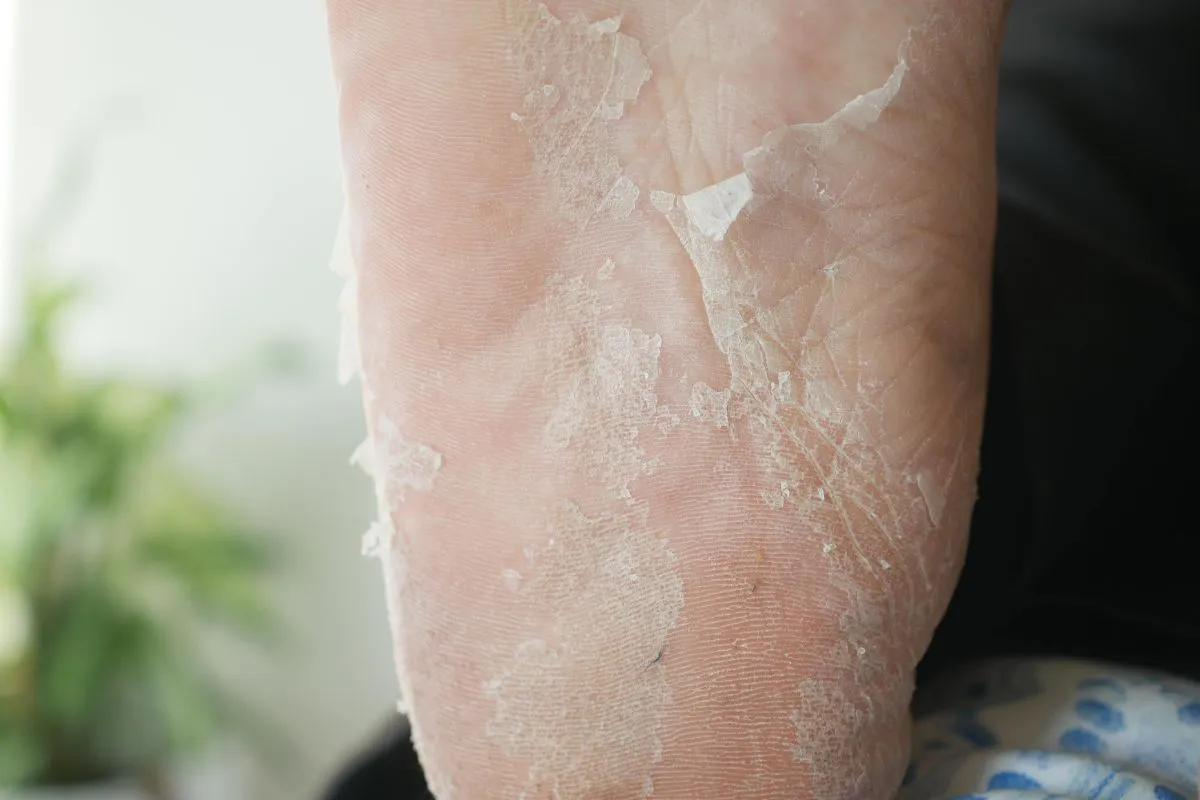
Ignoring dead skin on feet doesn’t just affect appearance it can lead to painful cracks, infections, and discomfort while walking. Deep heel cracks may bleed, allowing bacteria or fungi to enter. Addressing the issue early with gentle, natural methods keeps feet healthy and resilient.
How to Get Rid of Dead Skin on Feet Naturally (Step-by-Step)
1. Warm Foot Soak: The Foundation of Soft Feet
Soaking is the most important first step in how to get rid of dead skin on feet naturally.
How to do it:
- Soak feet in warm water for 15–20 minutes
- Add natural softeners like salt or oats
- This loosens dry skin on feet and prepares it for exfoliation
Soaking softens the bonds between dead skin cells, making removal easier and safer.
2. Gentle Exfoliation to Kill Dead Skin on Feet
After soaking, exfoliation helps kill dead skin on feet by removing loosened layers without tearing healthy skin.
Best natural tools:
- Foot scrub made with fine granules
- Natural foot exfoliator
- Soft foot scraper for thicker buildup
Avoid aggressive scraping. Overdoing it triggers more skin thickening, worsening dead skin on feet.
3. How to Remove Dead Skin from Feet Safely
Many people ask how to remove dead skin from feet without pain or damage. The key is consistency, not force.
Do this:
- Exfoliate 2–3 times a week
- Always exfoliate after soaking
- Use light pressure and circular motions
This method gradually removes layers and prevents recurring dry skin on feet.
4. How to Remove Thick Dead Skin from Feet Home Remedy
For stubborn buildup, patience is essential.
Effective home approach:
- Soak → exfoliate → moisturize
- Repeat regularly instead of scrubbing harder
- Use nourishing oils overnight to soften thick layers
This approach is the safest way to remove thick dead skin from feet home remedy style—without damaging live skin.
5. Deep Moisturization: Lock in Softness
Moisturizing is where many routines fail. Without sealing moisture, dead skin on feet returns quickly.
Best practice:
- Apply moisturizer immediately after exfoliation
- Use thicker creams or natural butters at night
- Wear cotton socks to enhance absorption
This step restores the skin barrier and reduces dry skin on feet long-term.
Natural Ingredients That Help Remove Dead Skin on Feet
Natural ingredients work in harmony with skin, making them ideal for sensitive or damaged feet.
Oats
Oats gently loosen dead skin by softening the surface while calming irritation. When mixed with warm water or milk, they create a soothing paste that reduces rough texture without abrasion. To use, grind oats into a fine powder, combine with water, and massage onto soaked feet in circular motions for a few minutes. This method lifts dead cells while maintaining moisture balance. It is ideal for sensitive or over-exfoliated skin.
Salt
Salt helps break down hardened layers through mild abrasion while stimulating circulation. Its coarse structure dislodges dead cells that have been softened by soaking. To use, dissolve salt in warm water for a foot soak or mix it with oil to form a scrub. Massage gently over rough areas, then rinse thoroughly. This process smooths texture while refreshing tired feet.
Plant Oils
Plant oils penetrate dry, rigid skin and loosen dead cell bonds from within. They restore flexibility, making exfoliation easier and safer. To use, apply oil generously after soaking or exfoliating and massage until absorbed. For deeper results, wear cotton socks overnight to allow extended hydration. This softens buildup and prevents cracking.
Herbal Extracts
Herbal extracts support natural renewal while calming stressed skin. Their active compounds encourage gentle shedding without irritation. To use, apply products infused with herbal extracts after exfoliation to enhance recovery. Regular application improves texture and resilience over time. This approach maintains smoothness without harsh removal.
How Often Should You Exfoliate Feet?
- Mild dead skin on feet: 1–2 times weekly
- Thick buildup: 2–3 times weekly
- Maintenance: once weekly
Over-exfoliation worsens dry skin on feet, so balance is key.
What Not to Do When Treating Dead Skin on Feet
- Don’t use blades or razors
- Don’t exfoliate on cracked or bleeding skin
- Don’t skip moisturizing
- Don’t rely on harsh chemical peels frequently
Gentle care wins every time.
Preventing Dead Skin on Feet Long-Term
Consistency is the secret to preventing dead skin on feet.
Daily habits:
- Moisturize before bed
- Wear breathable footwear
- Stay hydrated
- Avoid walking barefoot on rough surfaces
These habits dramatically reduce the need to kill dead skin on feet repeatedly.
When to Seek Professional Advice
If dead skin on feet is accompanied by pain, redness, itching, or deep cracks, consult a professional especially if you have diabetes or circulation issues.
Why Natural Care Is Better for Your Feet
Chemical treatments may show quick results, but they weaken the skin barrier over time. Natural routines respect your skin’s rhythm, making them safer and more sustainable for managing dead skin on feet.
Final Thoughts
Dead skin on feet doesn’t appear overnight and it won’t disappear overnight either. But with the right natural care, consistency, and patience, your feet can transform from rough and dry to soft and healthy. Understanding how to get rid of dead skin on feet naturally empowers you to care for your body gently and effectively.
Call-to-Action:
Explore Hudira’s natural, herbal solutions, crafted to nourish, heal and restore skin without harsh chemicals.
FAQs
Q. How do I get rid of dead skin on feet naturally at home?
Soaking, gentle exfoliation, and deep moisturization using natural products is the safest and most effective way.
Q. How often should I exfoliate dead skin on feet?
2–3 times per week is ideal, depending on thickness and dryness.
Q. Can I kill dead skin on feet without a foot scraper?
Yes, natural foot scrubs and gentle foot exfoliators work effectively when used consistently.
Q. What causes extreme dry skin on feet?
Lack of moisture, friction, dehydration, and poor foot care habits contribute to severe dryness.
Q. Is it safe to remove thick dead skin from feet at home?
Yes, if done gradually using soaking, gentle exfoliation, and moisturizing never blades or harsh tools.


Add comment