
No products in the cart.
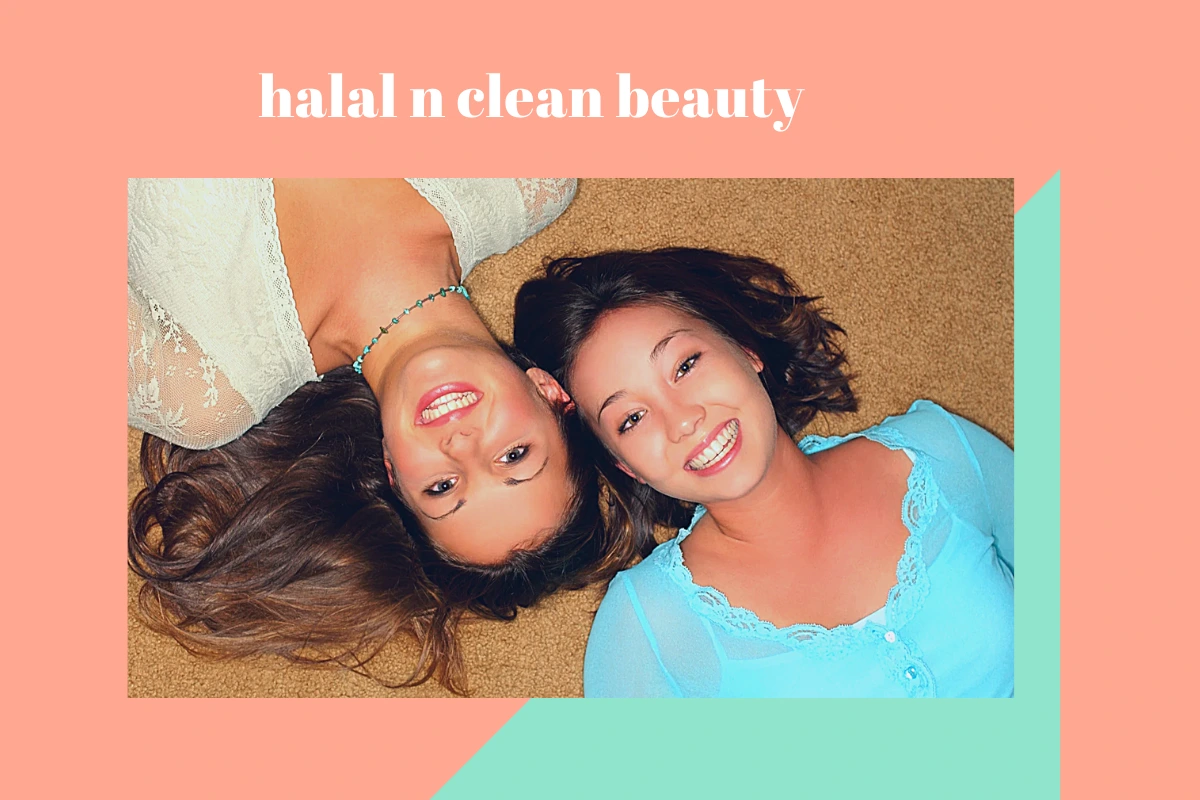
Teen skincare is no longer just about looking good—it’s about protecting growing bodies from harmful ingredients. With rising awareness, parents are often confused between clean beauty and halal beauty when choosing products for their teens. This confusion makes Halal vs clean beauty for teens a critical topic in modern skincare conversations. Teen skin is sensitive, hormonally active, and more vulnerable to ingredient absorption. Understanding the real difference can help you make safer, smarter skincare choices.
Both clean beauty and halal beauty promise safety, but they are not the same. Many clean beauty products still allow ingredients that may irritate teenage skin. Halal beauty follows stricter standards that go beyond surface-level claims. Parents searching for safe beauty products for teens need clarity, not marketing jargon. This guide breaks down everything you need to know to protect teen skin confidently.
Why Teen Skincare Requires Special Attention
Teenage skin goes through rapid physical and hormonal changes that directly affect its behavior. Oil production increases, pores clog easily, and sensitivity becomes more common. Using adult skincare during this phase can damage the skin barrier. This is why Halal vs clean beauty for teens matters more than ever. The right products can support healthy development instead of triggering long-term issues.
Teen skin absorbs ingredients more quickly than adult skin. Harsh chemicals can disrupt natural balance and worsen acne or irritation. Gentle, well-regulated skincare is essential during puberty. Parents should prioritize ingredient safety over trends. Choosing the right beauty standard early helps prevent future skin problems.
How Hormonal Changes Affect Teenage Skin
Hormonal fluctuations during puberty increase oil production and inflammation. This makes teens more prone to acne, redness, and sensitivity. Applying strong actives or alcohol-based products often worsens these issues. Halal vs clean beauty for teens becomes crucial when hormones are unstable. The wrong ingredients can interfere with natural skin regulation.
Teen hormones are still balancing, and skincare should not interfere with this process. Many clean beauty products allow essential oils or fragrance that can irritate hormonal skin. Halal beauty avoids such risky components. It focuses on calm, supportive formulations. This makes it better suited for hormonally active teen skin.
Why Ingredient Safety Matters for Growing Teen Bodies
Teen bodies are still developing internally and externally. Ingredients absorbed through the skin can impact overall health. Some chemicals are linked to hormone disruption and long-term sensitivity. This is why Halal vs clean beauty for teens is not just cosmetic—it’s health-related. Ingredient safety should never be compromised.
Parents should avoid products with unclear sourcing or vague claims. Teen skin needs transparency and purity. Halal beauty standards require full ingredient accountability. This reduces exposure to questionable substances. Safe ingredients today support healthier skin tomorrow.
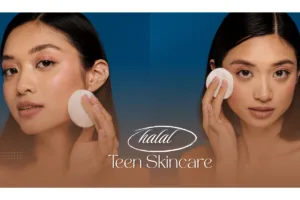
What Is Halal Beauty?
Halal beauty is built on strict ethical, safety, and ingredient standards. It goes beyond being “natural” or “clean.” Every ingredient must be pure, non-toxic, and ethically sourced. This makes Halal vs clean beauty for teens an important comparison. Halal beauty prioritizes safety at every level.
Unlike clean beauty, halal skincare follows verified certification processes. Products are free from alcohol, animal-derived impurities, and harmful chemicals. Manufacturing practices are also carefully monitored. This results in higher trust and consistency. Parents value halal beauty for its reliability and transparency.
Definition and Core Principles of Halal Beauty
Halal beauty follows guidelines rooted in purity, safety, and ethics. Products must avoid alcohol, animal by-products, and toxic substances. Certification ensures strict compliance at every stage. This makes halal skincare highly regulated. Halal vs clean beauty for teens highlights this key difference.
Halal beauty is not just a label—it’s a process. Ingredients are carefully vetted and traced. Manufacturing avoids cross-contamination. Transparency is mandatory. These principles make halal beauty safer for teens.
Ingredients Commonly Avoided in Halal Skincare
Halal skincare excludes ingredients known to harm sensitive skin. These exclusions are especially beneficial for teens. Commonly avoided ingredients include:
- Alcohol and ethanol
- Parabens and phthalates
- Synthetic fragrances
- Animal-derived glycerin or collagen
Avoiding these reduces irritation and hormonal interference. This strengthens the case for halal beauty for teens.
Instead of harsh additives, halal products use plant-based alternatives. These ingredients nourish without overwhelming young skin. Teens experience calmer, healthier skin. Parents gain peace of mind. This is a major advantage in the Halal vs clean beauty for teens debate.
What Is Clean Beauty?
Clean beauty focuses on reducing harmful chemicals in skincare. It promotes transparency and sustainability. However, clean beauty lacks a universal definition. This creates confusion when comparing Halal vs clean beauty for teens. Not all clean products are suitable for teen skin.
Many clean beauty brands self-regulate their ingredient lists. This means standards vary widely. Some clean products still contain fragrance or essential oils. These can irritate sensitive teen skin. Parents should be cautious when relying solely on “clean” labels.
Definition and Key Concepts of Clean Beauty
Clean beauty emphasizes non-toxic and environmentally friendly ingredients. It avoids certain controversial chemicals. However, there is no official certification. This makes enforcement inconsistent. Halal vs clean beauty for teens becomes relevant due to this lack of regulation.
Clean beauty brands decide their own ingredient limits. What one brand avoids, another may allow. This creates uncertainty for parents. Teens need consistency and safety. Clean beauty does not always guarantee that.
The Limitations of Clean Beauty for Teen Skin
Clean beauty products may still include potential irritants. Essential oils, natural fragrance, and strong actives are common. Teen skin may react negatively to these. This weakens clean beauty’s suitability for teens. Halal vs clean beauty for teens shows halal’s stricter advantage.
Clean beauty is a step in the right direction but not foolproof. Teens require extra caution due to skin sensitivity. Halal beauty eliminates more risks. This makes it a safer option during growth years. Parents should weigh these differences carefully.
Halal vs. Clean Beauty for Teens: Key Differences
The biggest difference lies in regulation and consistency. Halal beauty follows verified standards. Clean beauty relies on brand claims. This makes Halal vs clean beauty for teens a matter of trust. Trust is crucial when it comes to teen skincare.
Halal beauty eliminates ambiguity. Clean beauty allows flexibility that may harm sensitive skin. Teens benefit from stricter rules. Parents benefit from transparency. This difference shapes better skincare decisions.
Ingredient Transparency and Safety Comparison
Halal beauty requires full ingredient disclosure and certification. Clean beauty does not mandate this. This impacts safety for teens. Halal vs clean beauty for teens highlights the importance of transparency. Knowing what’s inside matters.
Halal-certified products are audited regularly. Clean beauty products are not always verified. Teens deserve products with proven safety. Transparency builds confidence. This is where halal beauty excels.
Benefits of Choosing Halal Beauty for Teens
Halal beauty offers unmatched safety for developing skin. It removes unnecessary risks. Teens benefit from gentle, supportive care. Halal vs clean beauty for teens clearly favors halal for sensitive skin. Safety always comes first.
Beyond skincare, halal beauty promotes ethical consumption. Teens learn mindful habits early. This builds long-term awareness. Parents appreciate the holistic approach. Halal beauty supports both skin and values.
Gentle, Alcohol-Free Formulations
Alcohol dries and irritates teenage skin. Halal beauty eliminates alcohol entirely. This protects the skin barrier. Teens experience less redness and sensitivity. Halal vs clean beauty for teens strongly favors alcohol-free formulas.
Gentle hydration supports natural balance. Halal products work with the skin. They do not strip or shock it. This results in healthier skin. Consistency improves results over time.
Conclusion: Make the Right Choice with Hudira
Teen skincare is about protection, not experimentation. Understanding Halal vs clean beauty for teens empowers parents to choose wisely. Halal beauty offers stricter safety, transparency, and consistency. These qualities matter during puberty. Choosing halal today protects teen skin for the future.
At Hudira, our halal face care range is thoughtfully crafted for sensitive, growing skin. The Hudira Anti-Acne Face Mask gently controls oil and breakouts without harsh chemicals. Our Orange Glow Face Mask boosts radiance safely using plant-based ingredients. For overall skin balance and brightness, the Hudira Brightening Face Mask delivers results without irritation.
Give your teen the safest start with Hudira’s halal skincare.
Explore our face care collection today and choose skincare you can trust—pure, gentle, and halal-certified.
Frequently Asked Questions
Is halal beauty safer than clean beauty for teens?
Yes, halal beauty is generally safer than clean beauty for teens because it follows stricter ingredient and certification standards. While clean beauty focuses on avoiding certain harmful chemicals, it does not have a universal definition or enforcement. Halal vs clean beauty for teens highlights that halal skincare eliminates alcohol, questionable animal derivatives, and hormone-disrupting substances entirely. This makes halal beauty more suitable for sensitive, developing teenage skin. Parents often prefer halal skincare for its transparency and consistency.
Can non-Muslim teens use halal skincare products?
Absolutely, halal skincare is suitable for everyone regardless of religious background. Halal beauty standards focus on purity, safety, and ethical sourcing rather than religious use alone. Many parents choose halal products simply because they are cleaner and gentler. In the debate of Halal vs clean beauty for teens, halal skincare appeals to families looking for safer alternatives. Anyone can benefit from its non-toxic and alcohol-free formulations.
Does halal beauty help with teenage acne?
Yes, halal beauty can be very effective for managing teenage acne. By avoiding alcohol, harsh chemicals, and pore-clogging ingredients, halal products reduce inflammation and irritation. Halal vs clean beauty for teens shows that halal skincare supports oil balance without stripping the skin. This helps prevent breakouts rather than triggering them. Consistent use often leads to calmer, clearer skin.
Are clean beauty products bad for teen skin?
Not all clean beauty products are bad, but they are not always ideal for teens. Some clean beauty brands allow essential oils, fragrance, or strong actives that may irritate sensitive teenage skin. This is why understanding Halal vs clean beauty for teens is important. Halal beauty removes more potential irritants and offers stricter safety controls. Parents should read labels carefully when choosing clean beauty products.
How can parents identify genuine halal skincare products?
Parents should look for recognized halal certification from trusted authorities. Genuine halal skincare brands clearly display certification details and full ingredient lists. Avoid products that only claim to be “halal-inspired” without verification. In the comparison of Halal vs clean beauty for teens, certification is a key differentiator. Verified halal products provide greater assurance of safety and purity.
At what age can teens start using halal skincare?
Most teens can safely start using halal skincare from early adolescence. Halal products are designed to be gentle and suitable for daily use. Because they are alcohol-free and non-toxic, they support developing skin rather than stressing it. Halal vs clean beauty for teens shows halal skincare as a safer starting point for young users. Simple routines work best for long-term skin health.
Add comment