
No products in the cart.
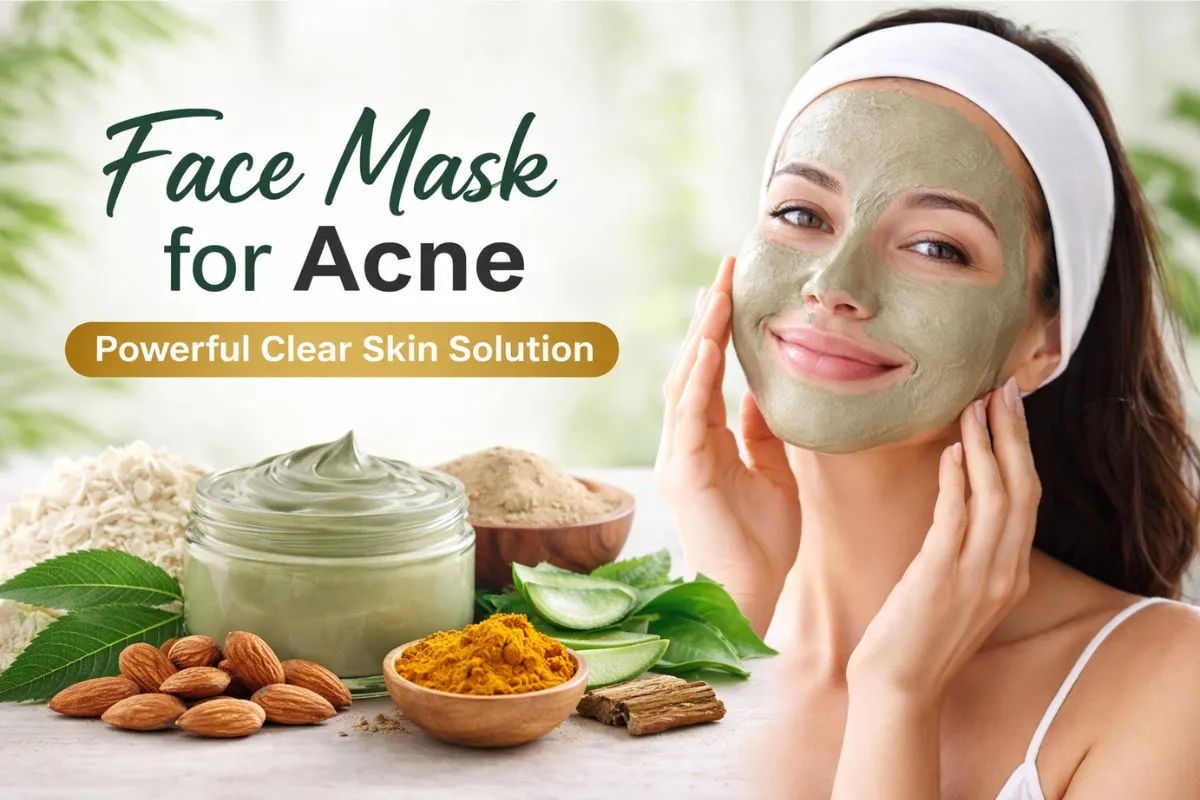
Acne can feel stubborn, frustrating, and emotionally draining. You try one product after another, switch routines constantly, and still wake up to new breakouts. The truth is, not every face mask for acne is created equal. Some dry your skin excessively, some clog pores, and others simply do nothing. Choosing the right formula is the difference between calming your skin and worsening inflammation.
But what if the solution isn’t harsher chemicals or complicated routines? What if the right face mask for acne could gently detox pores, reduce redness, and support skin healing all without damaging your skin barrier? In this guide, we’ll break down what truly works, why most acne masks fail, and how Hudira Anti Acne Face Mask is designed differently.
Why a Face Mask for Acne Can Transform Your Skin
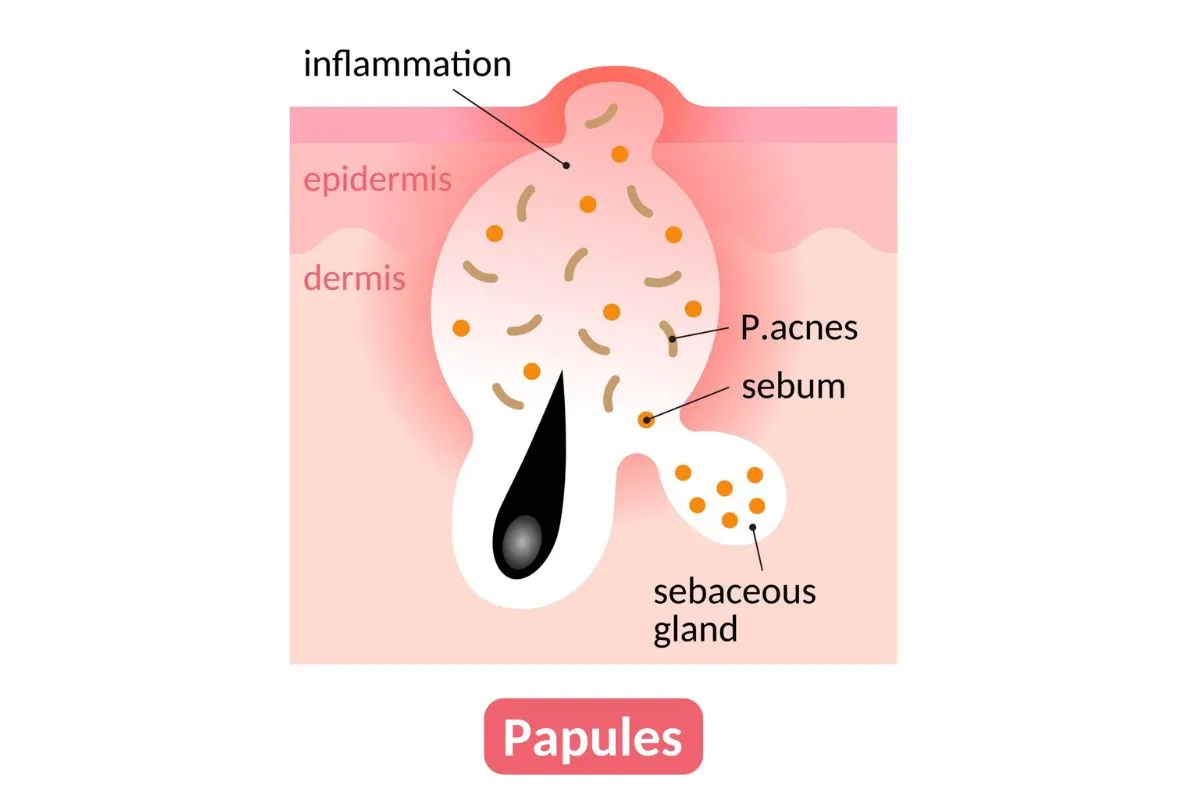
A well-formulated face mask for acne works by deeply cleansing pores, controlling excess oil, reducing inflammation, and preventing future breakouts. Unlike regular cleansers that work only on the surface, a targeted pimple mask penetrates deeper to remove impurities trapped inside pores.
When used correctly, a high-quality face mask for acne can:
- Absorb excess oil without stripping natural moisture
- Unclog pores and reduce blackheads
- Calm redness and irritation
- Support faster healing of active pimples
- Improve overall skin clarity
However, over-drying masks or chemical-heavy formulas can disrupt your skin barrier. That’s why choosing a herbal, balanced face mask for acne matters.
What Makes a Good Pimple Mask?
Not all acne products are beneficial. The best pimple mask should have:
1. Oil-Balancing Ingredients
Excess sebum is one of the main triggers behind clogged pores and breakouts. Oil-balancing ingredients like natural clays help absorb surplus oil without completely stripping the skin. The goal of a well-formulated face mask for acne is to regulate oil production, not eliminate it. When sebum levels are balanced, pores appear smaller, congestion reduces, and new breakouts become less frequent.
2. Anti-Inflammatory Botanicals
Inflammation is what turns a simple clogged pore into a painful, red pimple. Anti-inflammatory botanicals help calm irritation, reduce redness, and soothe sensitive skin. Ingredients like neem and turmeric support skin recovery while minimizing visible swelling. A gentle yet effective pimple mask should not only dry out acne but also calm the skin to prevent post-acne marks.
3. Antibacterial Properties
Acne often develops when bacteria multiply inside clogged pores. Natural antibacterial ingredients help limit bacterial growth without disrupting the skin’s protective barrier. Herbal extracts like neem and turmeric have traditionally been valued for their purifying benefits. When included in a face mask for acne, they support clearer skin by addressing one of the root causes of breakouts.
4. Non-Comedogenic Formula
A true face mask for acne must never clog pores or trap oil under the skin. Non-comedogenic formulations are designed to sit lightly on the skin, allowing it to breathe while delivering active benefits. Heavy or pore-blocking ingredients can worsen acne and trigger new breakouts. Choosing a breathable, balanced formula ensures your mask treats acne without creating new problems.
Hudira Anti Acne Face Mask – Herbal Science for Clear Skin
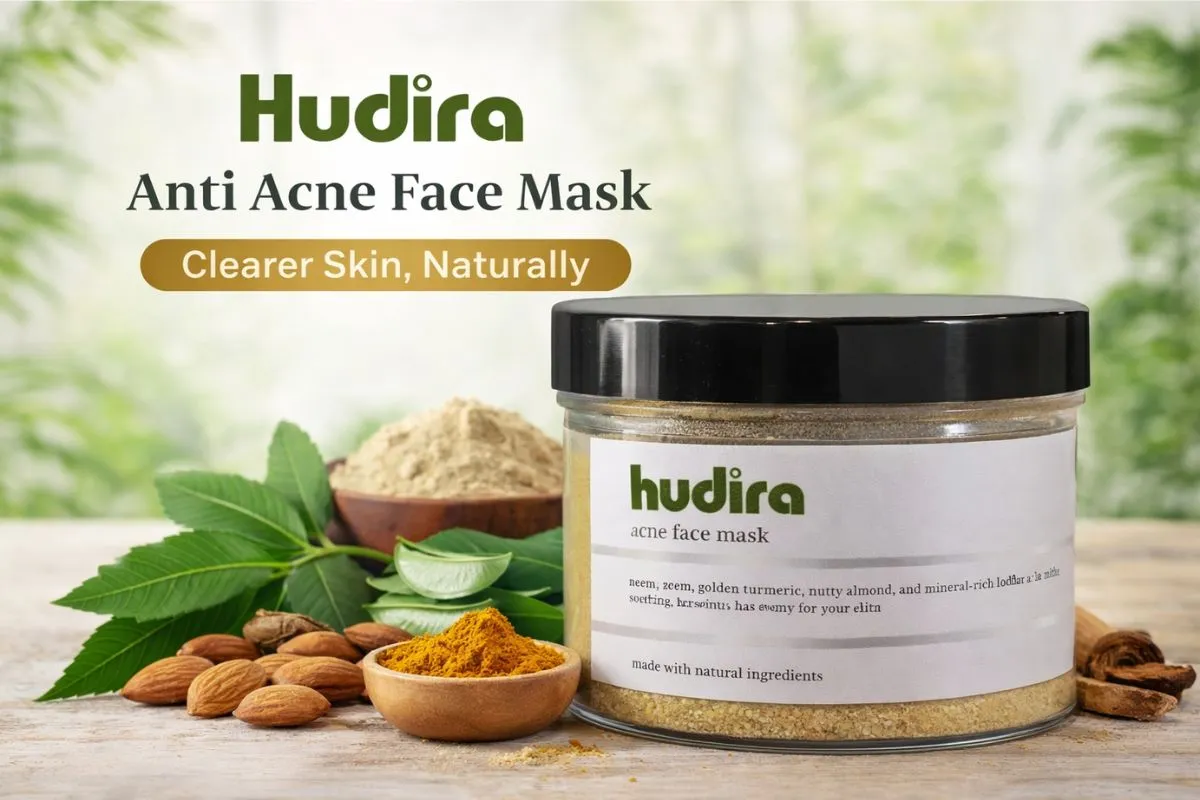
If you are searching for a reliable face mask for acne, Hudira’s Anti Acne Face Mask is crafted specifically for acne-prone and sensitive skin types.
Key Features of Hudira Anti Acne Face Mask
Deep Pore Detoxification
This face mask for acne uses natural clay to draw out impurities and excess oil. Unlike harsh chemical masks, it purifies without stripping the skin.
Neem & Turmeric Infusion
These powerful herbal extracts are traditionally known for antibacterial and anti-inflammatory properties. They help reduce redness, active pimples, and future breakouts.
Oil Control Without Over-Drying
Many pimple mask products leave skin tight and flaky. Hudira maintains moisture balance, preventing rebound oil production.
Supports Scar Reduction
While no product can instantly erase marks, consistent use of a balanced face mask for acne supports smoother texture and helps reduce post-acne pigmentation. You can combine this routine with safe home remedies for acne scars for enhanced results.
Suitable for Oily skin & Combination Skin
Designed for acne-prone individuals who struggle with clogged pores and frequent breakouts.
How to Use Hudira Face Mask for Acne Correctly
Using a face mask for acne properly is just as important as choosing the right one.
- Cleanse your face gently.
- Apply a thin, even layer of the mask.
- Leave on for 10–15 minutes.
- Rinse before it fully cracks dry.
- Follow with a lightweight moisturizer.
Use 2–3 times weekly for best results. Overuse of any pimple mask can cause irritation.
Types of Face Masks for Acne and Who Should Use Them
Understanding your acne type helps you select the right face mask for acne.
1. Clay-Based Masks
Clay-based masks absorb excess oil and draw out impurities from clogged pores, making them ideal for oily and congestion-prone skin.
2. Herbal Pimple Mask
A herbal pimple mask uses soothing, antibacterial botanicals to calm redness and reduce inflammation in active breakouts.
3. Exfoliating Masks
Exfoliating masks contain mild acids that gently remove dead skin buildup, helping prevent clogged pores and stubborn acne.
4. Hydrating Acne Masks
Hydrating acne masks balance moisture levels, preventing dryness that can trigger excess oil production in acne-prone skin.
Can a Homemade Mask for Pimples Work?
A simple homemade mask for pimples like multani mitti with rose water can help control oil temporarily. However:
- DIY recipes may lack stability.
- Incorrect proportions can irritate skin.
- Some ingredients like lemon may worsen acne.
While homemade masks for pimples solutions are popular, a professionally formulated face mask for acne ensures safety and consistent results.
Common Mistakes When Using a Face Mask for Acne
Avoid these errors:
- Leaving mask too long
- Using daily
- Mixing multiple strong actives
- Skipping moisturizer
- Picking pimples after masking
A balanced face mask should improve skin gradually, not shock it.
Why Herbal Face Masks Are the Future of Acne Care
Consumers are shifting toward natural solutions because they:
- Reduce harsh side effects
- Support long-term skin health
- Work with the skin barrier, not against it
Hudira Anti Acne Face Mask represents this gentle yet effective philosophy.
Who Should Use a Hudira Anti Acne Face Mask?
- Teenagers struggling with hormonal acne
- Adults with persistent breakouts
- Oily and combination skin types
- Individuals looking for herbal acne solutions
If you’ve tried chemical-heavy products without success, this face mask may be your gentle breakthrough.
Final Thoughts – Your Clear Skin Journey Starts Here
Choosing the right face mask for acne is about more than just drying pimples. It’s about balance, barrier protection, and long-term skin wellness. Hudira Anti Acne Face Mask offers a powerful yet soothing herbal solution designed to target breakouts without harsh side effects.
Take the first step toward clearer, healthier skin.
Explore Hudira Anti Acne Face Mask today and experience the confidence of naturally radiant skin.
Shop now at Hudira.com and embrace herbal skincare that truly works.
FAQs
Q. How often should I use a face mask for acne?
2–3 times per week is ideal to avoid over-drying.
Q. Can a pimple mask remove acne scars?
It helps reduce marks gradually but deep scars require additional treatments.
Q. Is Hudira Anti Acne Face Mask suitable for sensitive skin?
Yes, its herbal formula is designed to be gentle yet effective.
Q. Can I use a homemade mask for pimples instead?
DIY masks can help, but professionally formulated masks ensure better safety and consistency.
Q. How long before I see results?
With consistent use of a face mask for acne, improvements are typically visible within 2–4 weeks.

Add comment