
No products in the cart.
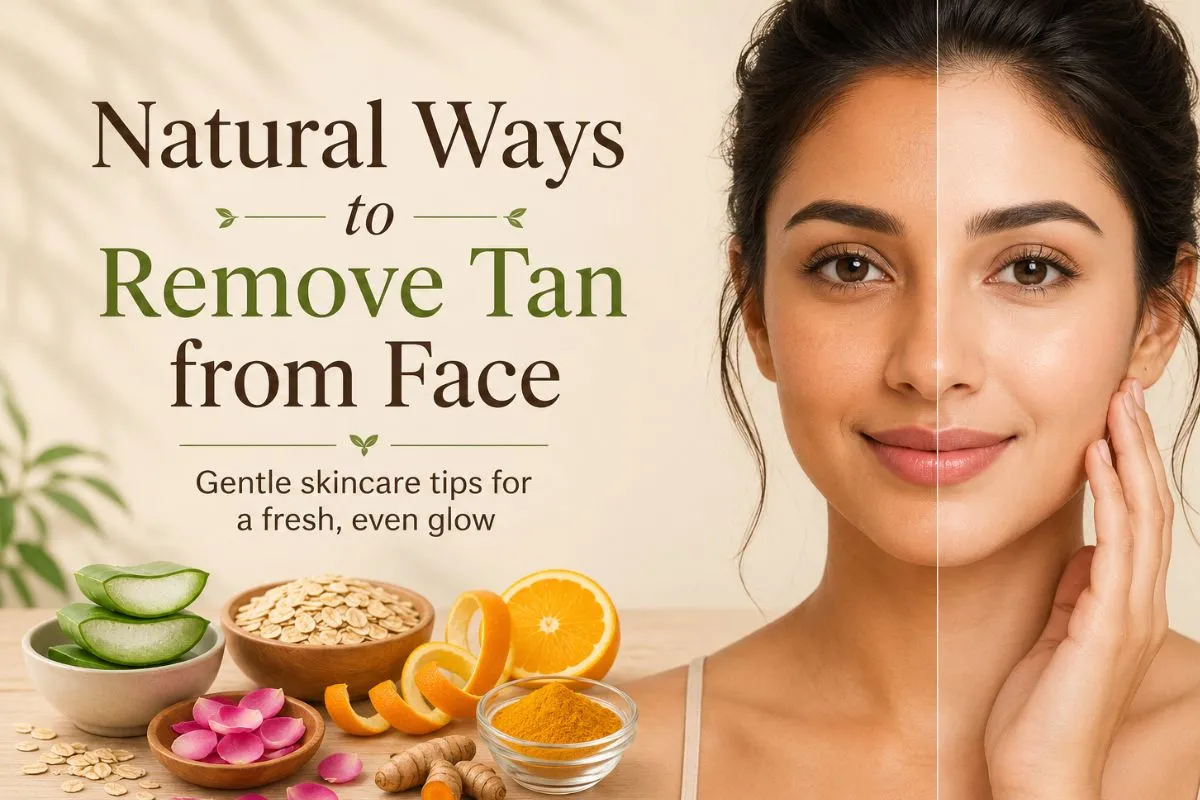
A sunny afternoon can leave behind more than happy memories. Your face may look darker, uneven, dry, or tired even when you followed your normal skincare routine. The good news is that you can remove suntan gradually with gentle care, consistent protection, and ingredients that support your skin instead of punishing it. The key is understanding that a tan is a response to ultraviolet exposure, not dirt that can simply be scrubbed away.
So, what truly works for removing suntan, and which popular kitchen remedies quietly make irritation worse? This guide reveals practical ways to remove sun tanning, explains how to remove skin tan without damaging your barrier, and breaks down the confusing “skin tan remove” advice found online. A safer, brighter-looking routine may be simpler than you expect but one essential step determines whether your results last.
What Is a Suntan, and Why Does It Appear?
A suntan develops after the skin is exposed to ultraviolet radiation. In response, the skin produces more melanin, the pigment that gives skin its colour. This protective response can make exposed areas look darker or uneven.
A tan is therefore a sign that the skin has reacted to UV exposure. It is not a layer of grime sitting on the surface. Health organisations also warn that UV exposure contributes to sunburn, premature skin ageing, and skin-cancer risk.
That distinction matters. When people try to remove suntan by rubbing aggressively, they may only strip the skin’s surface, weaken its protective barrier, and trigger more irritation. Successful removing suntan is usually gradual. It combines prevention, hydration, mild exfoliation, and patience while the skin naturally renews.
Can You Remove Suntan Naturally?
You cannot safely erase a true tan overnight. A natural tan generally fades as the skin sheds and replaces surface cells over several weeks. Gentle exfoliation may support this process, but over-exfoliating can cause dryness, inflammation, and darker marks.
This risk is particularly important for people whose skin develops post-inflammatory pigmentation after irritation. Dermatologists recommend choosing an exfoliation method suitable for your skin type and avoiding aggressive exfoliation on sunburned or easily pigmented skin.
Natural skincare can still be useful. It may help soothe sun-exposed skin, lift dull surface buildup, improve hydration, and make the complexion appear fresher. However, removing suntan requires realistic expectations. No face pack can instantly pull melanin out of the skin.
The safest approach to remove sun tanning is to stop additional UV exposure first. Otherwise, every brightening step is competing against fresh tanning. Think of it as closing the tap before mopping the floor.
1. Make Sunscreen Your First Tan-Removal Step
It may sound surprising, but sunscreen is the foundation of any plan to remove suntan. Without daily protection, the skin can continue responding to UV exposure, and uneven colour may persist or deepen.
Choose a broad-spectrum, water-resistant sunscreen with SPF 30 or higher. Apply it generously before going outdoors. When you remain outside, reapply approximately every two hours and immediately after swimming or heavy sweating.
The American Academy of Dermatology also recommends protective clothing, shade, wide-brimmed hats, and sunglasses as part of a complete sun-protection plan.
To remove skin tan more effectively:
- Apply sunscreen to your face, ears, neck, and hairline.
- Do not rely entirely on foundation or BB cream containing SPF.
- Reapply during outdoor travel, sports, shopping, or long commutes.
- Use a hat, scarf, umbrella, or shade when practical.
- Continue protection even after the tan begins to fade.
Sunscreen does not directly bleach existing pigment. Instead, it helps prevent the tan from becoming deeper and gives your skin time to renew. Any “skin tan remove” routine without sunscreen is basically trying to walk up a down escalator.
2. Cleanse Gently—Do Not Scrub the Tan Away
Cleansing removes sweat, pollution, makeup, excess oil, and sunscreen. It does not remove melanin. Therefore, using a harsh cleanser three or four times a day will not remove sun tanning faster.
Choose a mild cleanser that leaves your face feeling comfortable rather than tight. Wash with lukewarm water and use your fingertips instead of a rough washcloth.
When wearing water-resistant sunscreen or makeup, a gentle double cleanse at night may help remove residue. However, both cleansing steps should remain mild.
For removing suntan, the goal is to keep the skin barrier calm. Irritated skin often looks rougher, duller, and less even.
If your face feels hot, painful, blistered, or actively sunburned, pause exfoliating masks and focus on cooling, moisturizing care. The NHS defines sunburn as skin damage caused by too much sun, while the AAD recommends cool baths or showers and moisturizers containing aloe vera or soy to soothe discomfort.
3. Use Aloe Vera for Cooling Hydration
Aloe vera is a popular choice after sun exposure because it can feel cooling and hydrating. It is better understood as a soothing support step than as an ingredient that magically removes tan.
Apply a thin layer of plain aloe vera gel to clean skin. Look for a fragrance-free formula, especially if your skin is sensitive. Leave it on according to the product directions, then follow with moisturizer if your skin feels dry.
The American Academy of Dermatology recommends moisturizers containing aloe vera or soy to help soothe sunburned skin. However, aloe should not replace medical care for severe burning or blistering.
Aloe may make your face feel calmer and more comfortable while you work to remove skin tan gradually. However, do not assume that “natural” means allergy-proof. Patch test any new gel on a small area first.
4. Try an Oatmeal Mask for Sensitive or Dry Skin
Finely ground oats are a gentle option for skin that feels dry, delicate, or easily irritated. Research on colloidal oatmeal suggests that properly formulated oat products may support skin moisturization, dryness, and barrier function.
Simple Oatmeal mask
Mix:
- One tablespoon of finely ground oats
- Enough plain water to create a soft paste
Apply the paste without rubbing. Leave it on for approximately 10 minutes, then rinse gently with lukewarm water. Use it once a week at first.
This method may support removing suntan by improving hydration and loosening dull surface buildup not by bleaching your natural skin colour.
Oatmeal can be particularly helpful when you want to remove sun tanning without overloading sensitive skin with several active ingredients. Skip the mask if your skin is currently burned, broken, infected, or reacting to another product.
Although homemade oatmeal mixtures may feel soothing, they are not identical to standardized colloidal-oatmeal skincare products tested in clinical research.
5. Use Yogurt Carefully for Mild Exfoliation
Plain yogurt contains naturally occurring lactic acid, an alpha-hydroxy acid associated with surface exfoliation. Research on properly formulated topical lactic acid suggests that it may improve skin texture and surface roughness. However, kitchen yogurt does not contain a standardized skincare concentration.
Dairy and acidic ingredients do not suit everyone, so patch testing matters.
Basic yogurt method
- Apply a thin layer of plain, unsweetened yogurt to clean skin.
- Leave it for five minutes the first time.
- Rinse with cool or lukewarm water.
- Apply a simple moisturizer.
- Use no more than once weekly if your skin tolerates it.
This is one of the gentler traditional approaches to remove suntan, but more is not better. Burning, strong tingling, swelling, itching, or lingering redness means you should rinse immediately and stop using it.
When trying to remove skin tan, avoid combining yogurt on the same day with strong exfoliating acids, retinoids, scrubs, or another peeling mask. Your skin does not award bonus points for chaos.
6. Prepare a Gentle Besan Face Pack
Besan, also called gram flour or chickpea flour, has long been used in South Asian beauty routines. It can help lift surface residue when rinsed gently, but it should not be rubbed into the face until the skin turns red.
Besan and yogurt face pack
Combine:
- One tablespoon of besan
- One tablespoon of plain yogurt or water
- A tiny pinch of turmeric, if tolerated
Apply an even layer and leave it for approximately 8–10 minutes. Rinse before the pack becomes extremely dry and cracked.
Soften it with water before removal. Use gentle circular movements without pressure, and stop if your skin begins to sting.
This face pack may support removing suntan and improve the appearance of surface dullness. It can be particularly appealing to combination or oily skin, although dry and sensitive skin should use a moisturizing base and shorter contact time.
7. Add Turmeric—But Only a Tiny Amount
Turmeric is valued in traditional skincare, but concentrated kitchen turmeric can stain the face yellow and may irritate some people. Use a tiny pinch in a soothing base rather than applying a thick turmeric paste.
For removing suntan, mix a very small amount with yogurt, oats, or besan. Patch test first, keep the application brief, and rinse thoroughly.
Avoid turmeric if it has previously caused itching, bumps, redness, or a rash. People with highly reactive skin should choose a simpler remedy.
Turmeric should be presented honestly: it may complement a brighter-looking skincare routine, but it is not a substitute for sunscreen and cannot instantly remove sun tanning.
8. Consider Papaya for Occasional Exfoliation
Papaya contains papain, an enzyme used in some cosmetic exfoliating products. Research suggests that papain can have exfoliating activity, although researchers also emphasize that its concentration, stability, pH, application time, and potential to cause irritation must be carefully considered.
Homemade papaya does not provide the controlled concentration found in a formulated cosmetic product.
When trying it, apply a very small amount of plain, mashed ripe papaya to a patch of skin first. If tolerated, use it on the face for only a few minutes before rinsing thoroughly.
Do not add lemon juice, baking soda, vinegar, or coarse sugar. Use it occasionally rather than daily.
Papaya may help remove skin tan by lifting rough, dull surface buildup. It will not erase deeper pigmentation in one session.
9. Moisturize to Support a Healthy Skin Barrier
Moisturizer does not directly remove suntan, yet it plays a surprisingly important role. Well-moisturized skin can appear smoother and tolerate gentle exfoliation better than dry, irritated skin.
Choose a moisturizer appropriate for your skin type:
- A lightweight gel or lotion for oily skin
- A creamier moisturizer for dry skin
- A simple fragrance-free formula for sensitive skin
- A non-comedogenic formula for acne-prone skin
Apply moisturizer after cleansing and after using a mask. Dermatologists also recommend moisturizing after exfoliation because exfoliating can dry the skin.
If your face becomes irritated, pause active treatments and return to a basic cleanser, moisturizer, and sunscreen routine.
During removing suntan, hydration protects you from the common mistake of over-treating. A damaged barrier may sting, peel, or develop inflammation, potentially making uneven pigmentation look worse.
10. Choose a Ready-Made Botanical Mask
DIY remedies can be enjoyable, but measuring, grinding, mixing, and testing several ingredients is not convenient for everyone. A ready-made botanical powder mask can offer a simpler and more consistent weekly ritual.
Hudira’s Orange Glow Face Mask contains orange peel, rice powder, saffron, turmeric, licorice root, neem, and other botanical ingredients. Hudira positions it as a herbal mask intended to refresh dull-looking skin and gently exfoliate dead surface cells.
According to Hudira’s usage instructions:
- Cleanse your face.
- Mix one to two teaspoons with water, rose water, or yogurt.
- Apply the mixture while avoiding the eye area.
- Leave it on for 15–20 minutes.
- Rinse with lukewarm water.
- Patch test before full use and discontinue if irritation occurs.
A botanical mask can support a routine to remove sun tanning, but it should not be treated as an instant cure. Continue wearing sunscreen and avoid combining the mask with several other exfoliating treatments on the same day.
Natural Ingredients You Should Avoid on the Face
Some viral remedies promise fast sun tan removal, but irritation can leave your skin looking and feeling worse.
Raw lemon juice
Undiluted lemon juice is highly acidic and may damage or irritate facial skin. Medical News Today recommends dilution and brief contact if someone still chooses to use it, but the safer option for a gentle facial routine is to skip raw lemon.
Household bleach
Household bleach and cleaning products must never be placed on the skin. They can cause severe burns and damage and are not skincare products.
Rough scrubs
Sugar, salt, coffee grounds, and other rough particles can irritate sun-exposed skin. Strong mechanical exfoliation may also increase pigmentation in people whose skin darkens after inflammation.
Also avoid toothpaste, undiluted vinegar, and random combinations of several acidic ingredients. These are not gentle shortcuts to remove skin tan.
A Simple Weekly Routine for Removing Suntan
A complicated routine is not automatically more powerful. Keep your plan calm, positive, and repeatable.
Morning routine
- Cleanse gently or rinse with water.
- Apply a moisturizer suitable for your skin type.
- Apply broad-spectrum SPF 30 or higher.
- Reapply sunscreen during extended outdoor exposure.
Evening routine
- Remove makeup and sunscreen gently.
- Cleanse without scrubbing.
- Apply moisturizer.
- Allow irritated skin to rest.
Once or twice weekly
Choose only one option:
- Oatmeal mask
- Yogurt mask
- Besan face pack
- Short-contact papaya treatment
- Hudira botanical face mask
Do not stack several treatments together. This balanced routine supports removing suntan with a lower risk of irritation.
People searching “skin tan remove fast” may expect a complicated solution, but daily protection usually matters more than a dramatic DIY experiment.
For body tan removal concerns, create a separate body-care plan rather than applying a strong body scrub to delicate facial skin.
When Should You See a Dermatologist?
Professional guidance is sensible when:
- Pigmentation remains for several months.
- Dark patches appear symmetrically on both cheeks.
- Your skin burns, blisters, swells, or becomes severely painful.
- A product causes a lasting rash.
- Darkening develops after acne, eczema, or irritation.
- You notice a new or changing mole or skin lesion.
- You are uncertain whether the problem is tanning, sunburn, melasma, or another condition.
Melasma, for example, can create brown or bluish-grey patches on the cheeks, forehead, chin, nose, or upper lip. It frequently appears on both sides of the face and requires a different treatment approach from an ordinary tan.
A dermatologist can identify the cause and recommend suitable treatments. This is particularly important because a cosmetic product that removes tan from surface cells may not address melasma, post-inflammatory hyperpigmentation, or long-term sun damage.
The Real Secret to Lasting Results
The most effective way to remove suntan is not a single miracle mask. It is a steady cycle of protection and recovery:
Protect → cleanse → soothe → moisturize → exfoliate gently → repeat.
For removing suntan, consistent habits beat harsh shortcuts. To remove skin tan without harming your natural glow, prevent new UV exposure and allow your skin to renew at its own pace.
When your routine is gentle, your complexion can gradually appear smoother, calmer, fresher, and more even.
Choose a Gentler Glow With Hudira
Your skin deserves better than burning lemon juice, rough scrubbing, and unrealistic overnight promises. Build a thoughtful routine around sunscreen, hydration, gentle exfoliation, and plant-powered care.
Explore Hudira organic products, including the Orange Glow Face Mask and Brightening Face Mask, for an easy botanical ritual created for dull and uneven-looking skin. Hudira’s Brightening Face Mask features ingredients such as rose flower, orange peel, saffron, neem, and turmeric.
Pair your chosen mask with daily sun protection, follow the usage instructions, and patch test before full application. Let gentle care and consistency reveal the naturally radiant glow you have been chasing.
FAQs
Q. How to remove suntan from face naturally?
To remove suntan naturally, prevent further UV exposure with SPF 30+ sunscreen, cleanse gently, moisturize, and choose one mild option such as oats, aloe vera, yogurt, or a botanical mask.
Q. How long does suntan removal usually take?
A natural tan generally fades gradually as the skin renews. Daily sunscreen is essential because repeated UV exposure can delay visible progress.
Q. Can I remove sun tanning overnight?
No safe method can completely remove sun tanning overnight. A soothing or hydrating mask may make your skin appear fresher temporarily, but pigmentation fades gradually.
Q. Which method helps remove tan from face for sensitive skin?
Sensitive skin may benefit from fragrance-free sunscreen, a simple moisturizer, aloe vera, or a properly prepared oatmeal treatment.
Q. Can a face mask completely remove skin tan?
A face mask can support remove skin tan goals by hydrating the skin or gently lifting dull surface buildup, but it cannot instantly erase melanin.


Add comment