
No products in the cart.

Traffic fumes, smoke, dust, and microscopic particles meet your skin every day. They can mix with sweat and oil, leaving your complexion dull, dry, irritated, or congested. So, how can you protect your skin without relying on harsh products? Gentle cleansing, antioxidant-rich ingredients, barrier care, and daily sunscreen can help limit pollution skin damage while keeping your skin calm, fresh, and resilient.
The greatest threat is not always the dirt you can see. Tiny particles may encourage oxidative stress and gradually weaken the skin’s protective barrier. The good news is that a few consistent habits can make a powerful difference. The real secret is knowing which natural ingredients support your complexion and which popular DIY remedies may quietly make the problem worse.
What Is Pollution Skin Damage?
Pollution skin damage describes the visible and invisible effects environmental pollutants may have on the skin. Common sources include vehicle exhaust, cigarette smoke, industrial emissions, construction dust, ozone, and fine particulate matter.
These pollutants can encourage free-radical activity, inflammation, moisture loss, clogged pores, and uneven-looking tone. When the protective barrier weakens, skin may feel tight, rough, dry, or unusually sensitive.
Pollution can also work together with ultraviolet radiation, increasing oxidative stress. Skincare cannot create a perfect shield, but it can remove surface buildup, strengthen the barrier, and reduce the visible effects of pollution skin damage.
How Can You Protect Your Skin with Three Simple Steps?
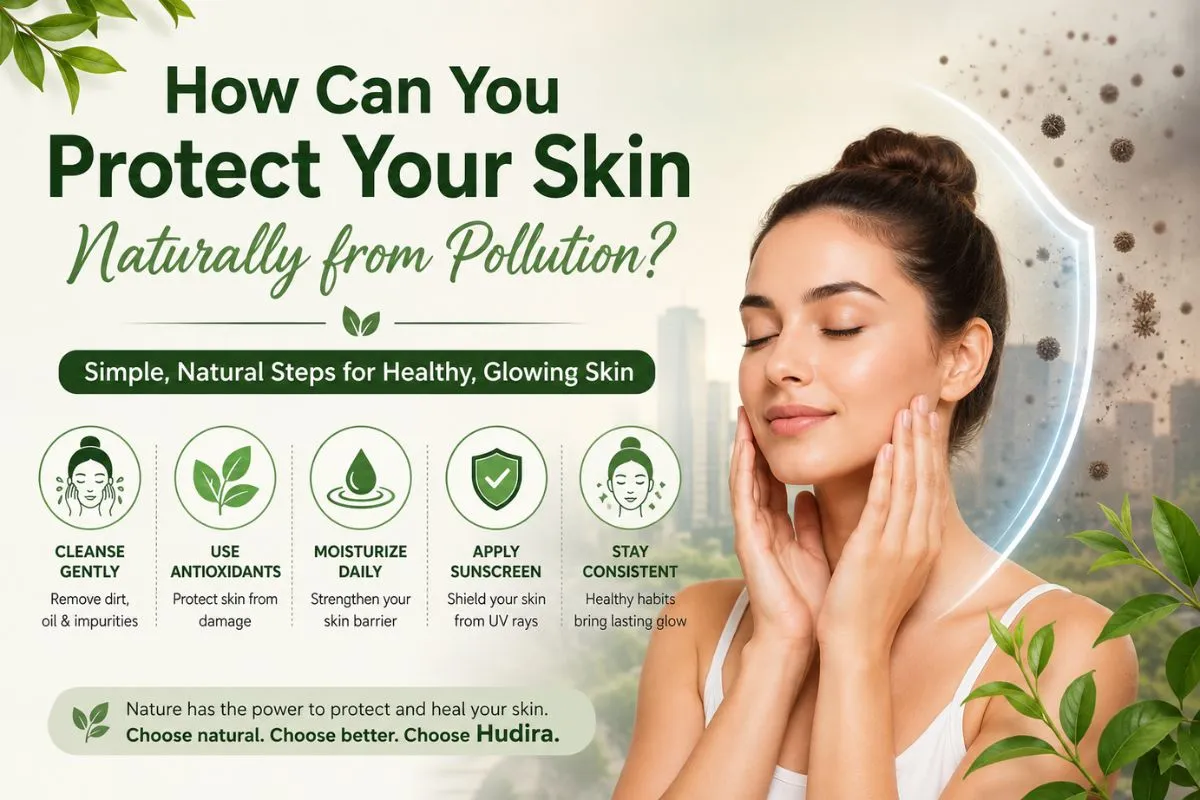
When asking how can you protect your skin in a practical way, remember three words: cleanse, defend, and repair.
Cleanse away sweat, sunscreen, makeup, and particles without stripping natural oils.
Defend with antioxidants, moisturizer, and broad-spectrum sunscreen.
Repair the skin barrier at night with soothing, hydrating care.
This approach is more effective than aggressive scrubbing or applying many strong active ingredients at once. Your skin does not need punishment after a dusty day. It needs calm, consistent support.
1. Cleanse Gently After Outdoor Exposure
Cleansing removes oil, sweat, sunscreen, makeup, dust, and environmental debris collected during the day.
Choose a mild cleanser that leaves your face comfortable rather than tight. Harsh soap and drying formulas may remove protective lipids, making pollution skin damage more noticeable. Dry or sensitive skin often benefits from a creamy, fragrance-free cleanser, while oily skin may prefer a lightweight gel.
When wearing heavy makeup or water-resistant sunscreen, use micellar water or an oil-based cleanser first, followed by a gentle water-based cleanser. Double cleansing can be useful, but it is not compulsory for everyone.
Use lukewarm water, massage with clean fingertips, and pat dry. Avoid rough washcloths, hot water, and forceful rubbing.
2. Use Antioxidant-Rich Natural Ingredients
Antioxidants help neutralize unstable molecules called free radicals. Helpful skincare ingredients may include green tea, aloe vera, turmeric, vitamin C, vitamin E, niacinamide, and plant-derived polyphenols.
Green tea contains soothing antioxidant compounds, while aloe vera offers lightweight hydration. Vitamin C can support brightness and antioxidant defense, and vitamin E works well in nourishing formulas. Niacinamide may support barrier function and improve the appearance of uneven tone.
Turmeric has a long history in traditional beauty care, but homemade mixtures may stain or irritate the skin. Choose carefully formulated products and patch-test first.
3. Strengthen Your Moisture Barrier
A healthy moisture barrier is one of your strongest defenses against pollution skin damage. Moisturizer reduces water loss and supports the skin’s outermost layer.
Look for glycerin, hyaluronic acid, aloe vera, squalane, ceramides, shea butter, or suitable plant oils. Oily skin may prefer a gel cream, whereas dry skin may need a richer formula.
Apply moisturizer while your face is slightly damp. During dusty or smoggy seasons, do not wait until your skin becomes extremely dry or uncomfortable. Consistent barrier care is easier than trying to calm severe irritation later.
4. Wear Broad-Spectrum Sunscreen Daily
Sunscreen remains essential even when pollution is the main concern. Ultraviolet exposure can increase oxidative stress and contribute to dark spots, uneven tone, and premature signs of aging.
Apply broad-spectrum SPF 30 or higher every morning as the final step of your routine. Cover the face, ears, neck, and other exposed areas. Reapply when you stay outdoors for extended periods, sweat heavily, or wipe your face.
The best sunscreen is one you can apply generously and consistently. No homemade mixture, plant oil, or face mask can replace properly tested sunscreen.
5. Exfoliate Carefully, Not Aggressively
Exfoliation may remove dull surface buildup, but excessive exfoliation weakens the barrier and increases sensitivity.
For many people, once or twice a week is enough. Sensitive skin may need less. Choose a mild exfoliating acid, enzyme product, or professionally formulated fine scrub.
Avoid coarse sugar, salt, crushed shells, and harsh brushes. When the skin is stinging, peeling, or inflamed, pause exfoliation and focus on soothing hydration. Healthy radiance comes from balance not friction.
How Can You Protect Your Skin During Smog and Dust?
People in busy cities may face traffic emissions, construction dust, smoke, heat, and seasonal smog. Check the local air-quality index before spending long periods outdoors. When the air is unhealthy, reduce unnecessary exposure and avoid exercising beside congested roads.
After returning home, wash your hands before touching your face, cleanse gently, and change dusty clothing. Wash exposed hair when needed and replace pillowcases regularly. A clean, well-fitted mask may reduce inhalation of fine particles, although it does not replace skincare.
6. Adapt the Routine to Your Skin Type
Oily or Acne-Prone Skin
Use a mild gel cleanser, lightweight moisturizer, niacinamide, and non-comedogenic sunscreen. Avoid over-drying the face because irritation may worsen oiliness.
Dry Skin
Choose a creamy cleanser, hydrating serum, rich moisturizer, and nourishing oils where tolerated. Limit exfoliation and avoid hot water.
Sensitive Skin
Keep the routine simple. Select fragrance-free products with aloe vera, oat, panthenol, or green tea. Introduce one product at a time.
Combination Skin
Use lightweight hydration across the face and richer moisturizer only on dry areas.
Mature Skin
Prioritize antioxidants, gentle cleansing, regular moisturization, and sunscreen to support comfort and a smoother appearance.
7. Avoid Harmful DIY Skincare Mistakes
People searching how can you protect your skin naturally often encounter risky remedies. Unfortunately, not every kitchen ingredient belongs on the face.
Undiluted lemon juice may irritate skin and increase sensitivity. Baking soda is highly alkaline and may disturb the barrier. Coarse coffee, sugar, and salt scrubs can create excessive friction. Undiluted essential oils may trigger irritation or allergic reactions.
Avoid combining too many strong active ingredients at once. Introduce products gradually and stop using anything that causes persistent burning, swelling, or a rash. Natural skincare should feel supportive, not painful.
8. Follow a Simple Morning and Evening Routine
A consistent routine does not need dozens of steps. Focus on products that have a clear purpose and suit your skin type.
Morning Routine
- Rinse or cleanse gently according to your skin type.
- Apply an antioxidant serum or botanical formula.
- Use a suitable moisturizer.
- Finish with broad-spectrum SPF 30 or higher.
Evening Routine
- Remove makeup and water-resistant sunscreen when necessary.
- Cleanse gently to remove daily buildup.
- Apply a soothing or antioxidant-rich treatment.
- Moisturize to support overnight barrier recovery.
Use a gentle face mask once or twice weekly according to your needs. Clay-based masks may absorb excess oil, while hydrating masks may suit dry skin. A mask complements your routine but cannot replace cleanser, moisturizer, antioxidants, or sunscreen.
Choose Gentle, Plant-Powered Care from Hudira
Your skin deserves a routine that feels nurturing, effective, and beautifully simple. Hudira organic products bring plant-powered ingredients into everyday self-care, helping support brighter, clearer, and healthier-looking skin without harsh shortcuts.
Explore Hudira’s organic skincare and natural face masks, choose a product suited to your skin type, and patch-test before use. Make gentle Hudira care part of your daily pollution-protection ritual and give your skin the thoughtful attention it deserves.
FAQs
Q. How Can You Protect Your Skin from Pollution Every Day?
Cleanse gently at night, use antioxidant-rich skincare, moisturize consistently, and apply broad-spectrum SPF 30 or higher each morning. Reducing unnecessary outdoor exposure during severe smog may also help.
Q. Can Pollution Cause Acne and Clogged Pores?
Pollutants may mix with sweat, oil, sunscreen, and makeup, contributing to buildup, irritation, and clogged pores. Gentle cleansing and non-comedogenic products may help keep the skin clear without stripping it.
Q. Which Natural Ingredients Help Pollution-Exposed Skin?
Green tea, aloe vera, turmeric, vitamin C, vitamin E, niacinamide, and plant polyphenols may support antioxidant defense, hydration, barrier health, and a calmer-looking complexion.
Q. Should I Double Cleanse After Going Outdoors?
Double cleansing may help when you wear heavy makeup or water-resistant sunscreen. It is not necessary for everyone, and excessive cleansing may cause dryness, tightness, or irritation.
Q. Can a Natural Face Mask Prevent Pollution Skin Damage?
A suitable face mask may remove surface buildup, absorb excess oil, or provide hydration. However, it should support, not replace daily cleansing, moisturizer, antioxidants, and sunscreen.


Add comment