
No products in the cart.
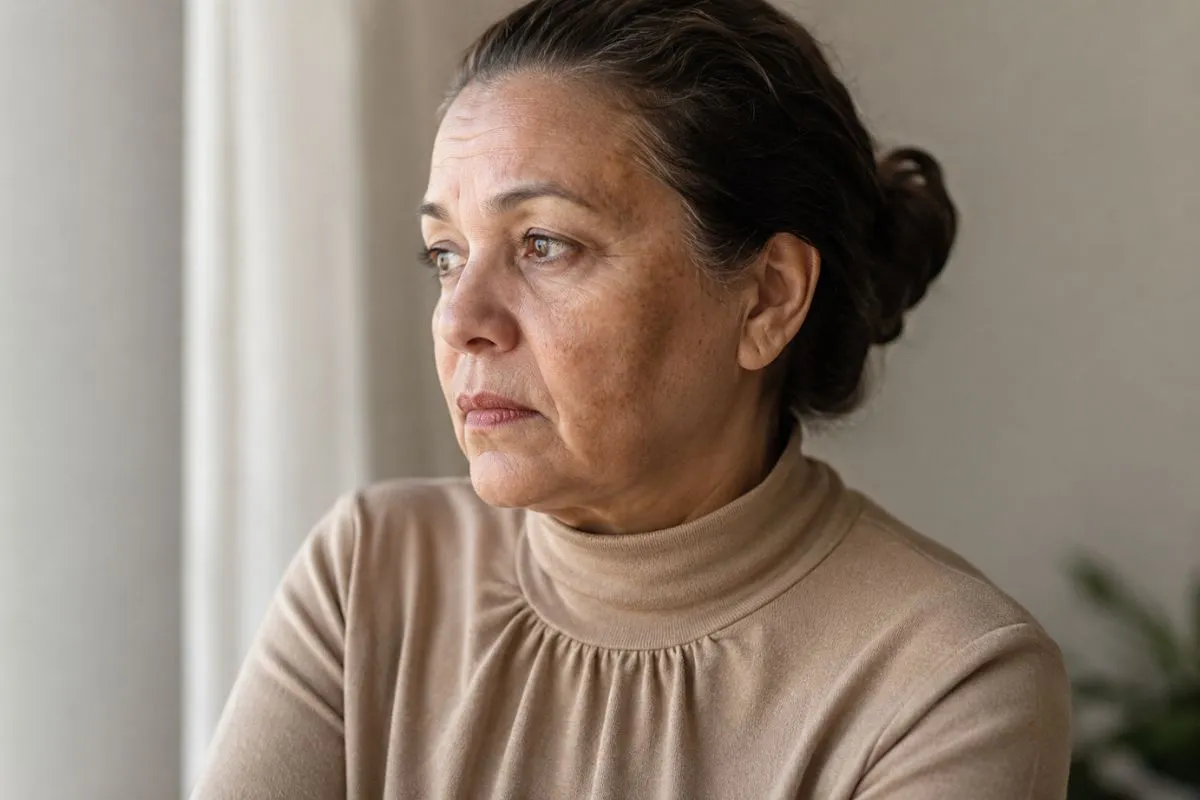
Have you ever looked in the mirror and wondered how to improve skin texture when your face feels rough, bumpy, dry, or uneven despite using several products? You are not alone. Changes in hydration, dead-skin buildup, clogged pores, sun exposure, irritation, and aging can all affect face skin texture. The good news is that a calm, consistent routine can support a softer, brighter, and more balanced complexion without harsh scrubbing or complicated steps.
However, not every textured skin face has the same cause and that is where most routines go wrong. The product that helps flaky dryness may worsen congestion, while aggressive exfoliation can make uneven skin texture look even more noticeable. So, what does your skin actually need? Keep reading, because the answer begins with identifying the type of texture you have and choosing gentle, targeted care that helps reveal smooth skin texture over time.
What Is Uneven Skin Texture?
Uneven skin texture describes a complexion that does not feel or look consistently smooth. It may appear as tiny bumps, dry patches, visible pores, flakes, rough areas, whiteheads, blackheads, or indented acne scars. Some people notice texture only when applying foundation, while others feel it when washing or moisturizing their face.
It is important to understand that normal skin has pores, fine lines, and natural variation. Real skin is not completely poreless or glass-like. The goal is not to erase every mark. Instead, the goal is to support a healthy skin barrier, reduce avoidable roughness, and improve the overall face skin texture.
A textured skin face may involve more than one concern. Dehydrated skin can feel tight while producing oil, while acne-prone skin may show clogged pores, marks, and scars together. Learning how to improve skin texture begins with recognizing these differences.
Skin Texture vs. Skin Tone: What Is the Difference?
Skin texture refers to how the surface of your skin feels and reflects light. Skin tone refers to the color of the skin and concerns such as redness, dark spots, or pigmentation.
You may have uneven skin texture without discoloration, uneven tone without roughness, or both concerns together. This distinction matters because a brightening product may fade the look of dark marks without creating smooth skin texture when clogged pores or scars are present.
What Causes a Textured Skin Face?
Before deciding how to improve skin texture, consider the most likely cause. Treating the cause is usually more effective than buying random products.
1. Dead-Skin Buildup
Dead cells can remain on the surface and make the complexion look dull, rough, or flaky. Gentle exfoliation may help, while harsh scrubbing can damage the barrier and worsen face skin texture.
2. Dehydration and Dryness
Dry skin lacks oil, while dehydrated skin lacks water. Both can highlight flakes and fine lines. Suitable hydration can restore comfort and promote smooth skin texture.
3. Clogged Pores
Oil, dead skin, makeup, and heavy products can collect inside pores, causing whiteheads, blackheads, or tiny bumps. For a congested textured skin face, gentle cleansing and non-comedogenic hydration are essential.
4. A Damaged Skin Barrier
Over-exfoliation, strong cleansers, hot water, and too many active ingredients can weaken the barrier. Skin may feel rough, sting, or become unusually sensitive. Adding more exfoliants can worsen the problem.
5. Sun Exposure
UV exposure can contribute to dryness, discoloration, and a rough-looking surface. Daily sunscreen is essential for maintaining a healthier face skin texture.
6. Acne and Scarring
Active acne can cause bumps and inflammation. Deep, indented, or raised scars are structural changes that usually need professional treatment.
7. Aging
As skin matures, cell renewal and moisture retention may slow, making fine lines and uneven skin texture more noticeable. Gentle care can support a fresher appearance.
How to Improve Skin Texture Naturally: 9 Gentle Steps
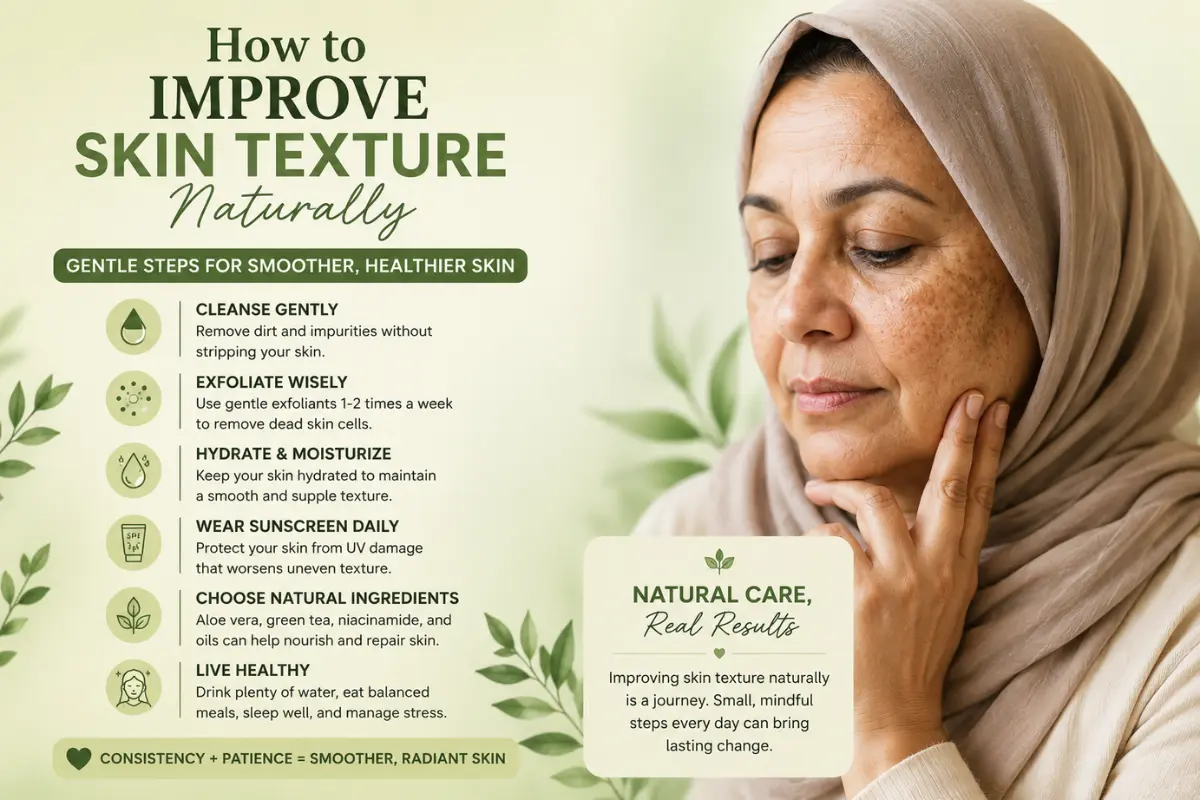
A successful routine does not need ten aggressive products. The following approach focuses on consistency, barrier care, and carefully selected ingredients.
1. Cleanse Without Stripping the Skin
Use a gentle cleanser that removes sweat, sunscreen, pollution, and makeup without leaving the skin tight. Cleanse at night, and adjust morning cleansing to your skin type.
Use lukewarm water and pat rather than rub. If you wear heavy makeup or water-resistant sunscreen, a double cleanse may be useful, but it is not necessary for everyone. These habits protect the barrier and improve face skin texture over time.
2. Exfoliate Gently and Infrequently
Exfoliation can lift surface buildup, brighten dullness, and support smooth skin texture, but more is not better.
Begin with one gentle method, such as a mild acid, enzyme formula, or finely formulated natural exfoliant. Dry or sensitive skin may need it only once weekly.
Never exfoliate broken, sunburned, inflamed, or stinging skin. Avoid layering several exfoliants in one routine, as this may weaken the protective barrier and increase sensitivity.
3. Moisturize While the Skin Is Slightly Damp
Apply moisturizer to slightly damp skin to help lock in hydration. Glycerin, hyaluronic acid, aloe vera, squalane, ceramides, and suitable plant oils are useful options.
Dry skin may prefer a cream, while oily skin may prefer a gel-cream. Acne-prone skin still needs hydration because skipping it may make uneven skin texture more visible.
Moisturizer can soften flakes and support a healthier-looking textured skin face.
4. Support the Skin Barrier
When skin is irritated, simplify the routine to a gentle cleanser, moisturizer, and sunscreen. Pause strong exfoliants, harsh scrubs, and fragranced DIY mixtures.
Barrier recovery is often the missing step for people researching how to improve skin texture because healthy skin holds moisture and tolerates treatment better.
A strong barrier also helps protect the skin from environmental stress and prevents moisture from escaping too quickly.
5. Use Botanical Ingredients Wisely
Natural ingredients can be valuable, but natural does not automatically mean irritation-free. Patch-test new products and prefer professionally formulated skincare.
Helpful options include:
- Aloe vera: Supports hydration and provides a soothing skin feel.
- Colloidal oatmeal: Helps comfort dry, sensitive, or itchy skin.
- Jojoba oil: A lightweight emollient that can reduce moisture loss.
- Rosehip oil: Provides fatty acids and antioxidants that support a nourished appearance.
- Honey: Acts as a humectant, although sticky homemade masks may not suit everyone.
- Bakuchiol: A plant-derived ingredient often used in routines for smoother-looking, mature skin.
Avoid applying lemon juice, baking soda, toothpaste, or undiluted essential oils directly to the face. These can irritate the skin and leave the surface looking rougher.
6. Wear Sunscreen Every Day
Daily sun protection is essential. UV exposure can contribute to roughness, loss of firmness, pigmentation, and premature lines.
Choose broad-spectrum SPF 30 or higher and cover the face, ears, neck, and other exposed areas. Reapply during extended outdoor exposure, sweating, or wiping.
Sunscreen protects the progress made through exfoliation and helps prevent further changes in face skin texture.
Even when you stay indoors for much of the day, sunscreen may still be helpful if you sit near windows or spend time outside during peak daylight hours.
7. Choose Non-Comedogenic Products
If you are prone to clogged pores, choose products labeled non-comedogenic or designed for acne-prone skin.
Heavy makeup and occlusive hair products can contribute to bumps around the forehead and hairline. Remove makeup before sleeping and clean makeup brushes regularly to support smooth skin texture.
Also avoid switching between several new products at the same time. Introducing products individually makes it easier to identify irritation or congestion.
8. Stop Picking and Scrubbing
Picking pimples, squeezing whiteheads, or hard scrubbing can increase inflammation and scarring. Treat a textured skin face gently; consistency works better than reacting to every bump with a new product.
When you feel tempted to pick a blemish, consider using a hydrocolloid patch or leaving the area untouched. Preventing irritation is often easier than treating the dark marks or scars that follow.
9. Support Skin Through Daily Habits
Support skincare with regular sleep, balanced meals, sufficient fluids, and realistic stress management.
Drinking water cannot remove scars or clogged pores, but dehydration may make skin look dull. Protein, healthy fats, fruits, and vegetables support general wellness.
Stress may also influence breakouts or sensitivity in some people. Small habits such as gentle exercise, restful sleep, and a manageable skincare routine may help the complexion appear calmer and more energized.
Natural Routine for Different Skin Types
The best routine depends on your skin type and the cause of your uneven skin texture.
Dry or Dehydrated Skin
Morning: Rinse the face or use a mild cleanser. Apply a hydrating serum, follow with a nourishing moisturizer, and finish with sunscreen.
Evening: Cleanse gently, use a hydrating essence or serum, and apply a richer moisturizer. Exfoliate only occasionally.
This routine reduces flakes and helps support smooth skin texture with a softer, more comfortable feel.
Oily or Congested Skin
Morning: Use a gentle cleanser, lightweight moisturizer, and non-comedogenic sunscreen.
Evening: Remove makeup and sunscreen, cleanse thoroughly, use one suitable exfoliating product on selected nights, and moisturize.
Do not try to dry out oily skin completely. Balanced hydration supports a calmer feel and smooth skin texture.
Over-cleansing oily skin may damage the barrier and leave the complexion feeling tight while still producing excess oil.
Sensitive Skin
Morning: Use minimal cleansing, a fragrance-free moisturizer, and sunscreen.
Evening: Cleanse gently and moisturize. Avoid frequent exfoliation, essential oils, strong fragrance, and complex DIY masks.
Introduce one new product at a time. A sensitive textured skin face often responds best to a simpler routine.
Combination Skin
Treat different areas according to their needs. Use lighter hydration on oily zones and a richer moisturizer on dry areas.
Apply exfoliating products only where they are needed instead of covering the entire face. This targeted approach may improve face skin texture without over-drying delicate areas.
Mature Skin
Prioritize hydration, antioxidants, sun protection, and gentle ingredients that support elasticity.
Bakuchiol or carefully selected exfoliants may help refine the appearance of face skin texture, but introduce them gradually.
Mature skin may also benefit from richer moisturizers containing nourishing oils, ceramides, peptides, or humectants.
How Long Does It Take to Improve Face Skin Texture?
The timeline depends on the cause. Dehydration-related roughness may improve with consistent moisturizing, while clogged pores and surface buildup usually need several weeks of care.
Dark marks may take longer, and structural scars often require professional procedures. Unless a product causes burning, itching, swelling, or redness, avoid judging a routine after only a few days.
Learning how to improve skin texture is a gradual process. A routine that protects the barrier and prevents new damage is more valuable than a harsh product that creates brief smoothness followed by irritation.
You can take photographs in the same lighting every few weeks to evaluate changes more accurately. Daily mirror checks may make progress difficult to notice.
Can Natural Ingredients Remove Acne Scars?
Natural skincare may hydrate the skin, support the barrier, and improve the appearance of mild discoloration. However, it cannot completely remove deep, indented, or raised acne scars.
Structural scars affect deeper layers of the skin and may require treatments such as microneedling, chemical peels, laser therapy, subcision, or other dermatologist-selected procedures.
Avoid products claiming to permanently erase scars within days. Honest skincare supports your skin rather than selling unrealistic perfection.
A Gentle Path to Smoother-Looking Skin
The most effective answer to how to improve skin texture is not to chase perfection. It is to understand your skin, protect its barrier, exfoliate carefully, restore hydration, and prevent avoidable damage.
Whether your concern is dryness, congestion, visible pores, or uneven skin texture, a thoughtful routine can help your complexion look calmer, brighter, and more refined.
Real progress comes from patience and consistent care not harsh scrubbing, endless product layering, or miracle claims.
Ready to build a more nurturing skincare ritual? Explore Hudira organic products, thoughtfully created to bring gentle, plant-inspired care into your routine. Choose products that suit your skin type, patch-test before use, and give your skin the steady love it deserves.
FAQs
Q. How to get rid of textured skin naturally?
You may reduce superficial roughness by cleansing gently, moisturizing consistently, exfoliating carefully, and wearing sunscreen. However, normal pores cannot be removed, and deep acne scars usually require professional treatment.
Q. Can aloe vera improve uneven skin texture?
Aloe vera can support hydration and soothe the skin, which may make dryness-related roughness look softer. It cannot remove clogged pores or deep scars on its own.
Q. How often should I exfoliate a textured skin face?
Begin once weekly, especially if your skin is dry or sensitive. Oily skin may tolerate more frequent use, but daily exfoliation can irritate the barrier and worsen roughness.
Q. Does moisturizer help create smooth skin texture?
Yes. A suitable moisturizer can reduce dryness, support the skin barrier, and make flakes or fine dehydration lines less visible. Choose a formula appropriate for your skin type.
Q. Can natural face masks permanently change face skin texture?
Natural face masks may temporarily hydrate or soften skin, but they cannot permanently remove pores, deep scars, or medical conditions.


Add comment