
No products in the cart.
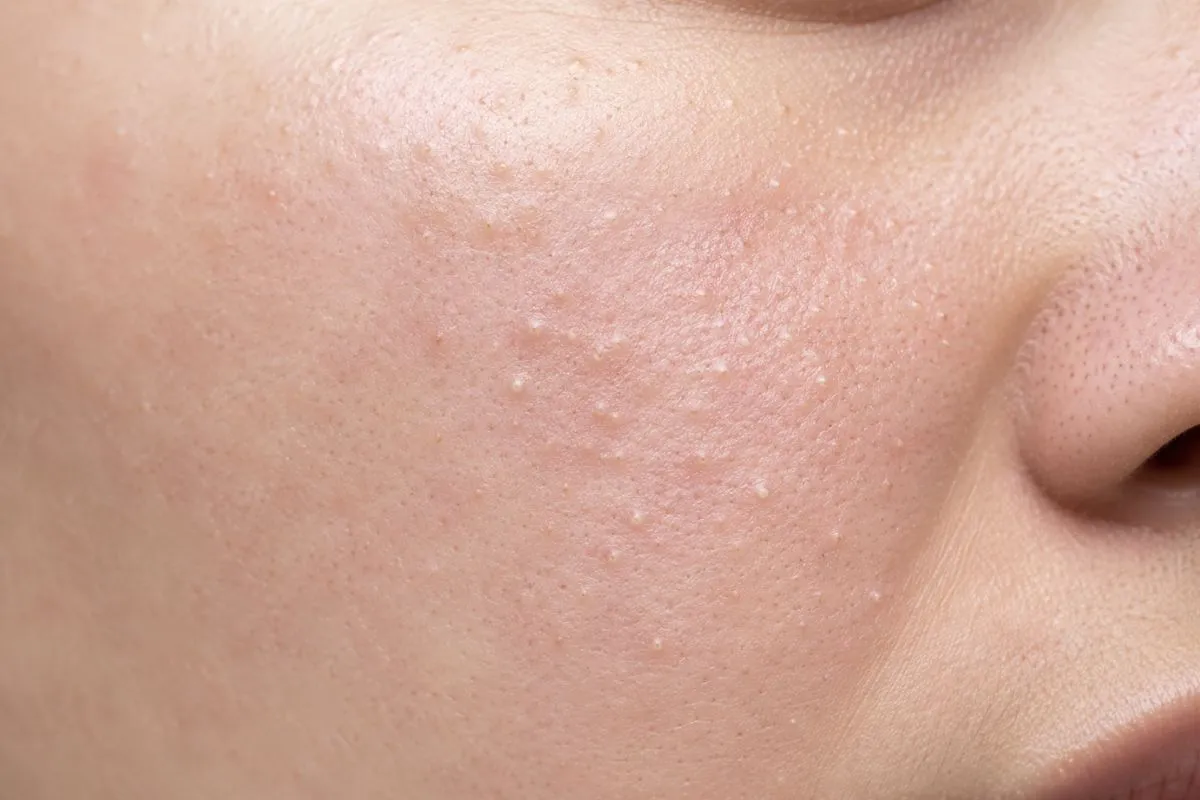
Whiteheads on face can feel small, but they can seriously affect your confidence, skin texture, and natural glow. These tiny white bumps usually appear when oil, dead skin cells, sweat, and dirt get trapped inside clogged pores. Unlike blackheads, whiteheads stay closed under the skin, which makes them look like white pimples on face. The good news is that with gentle skincare, smart habits, and natural ingredients, whitehead removal can become easier, safer, and more effective over time.
But here is the part most people miss: whiteheads are not always caused by dirty skin. Sometimes, the real reason is hidden in your skincare routine, heavy creams, makeup residue, over-scrubbing, or even using harsh home remedies that damage your skin barrier. So before you squeeze, scrub, or panic, let’s uncover what your skin is really asking for and how you can reduce whiteheads naturally without harming your face.
What Are Whiteheads on Face?
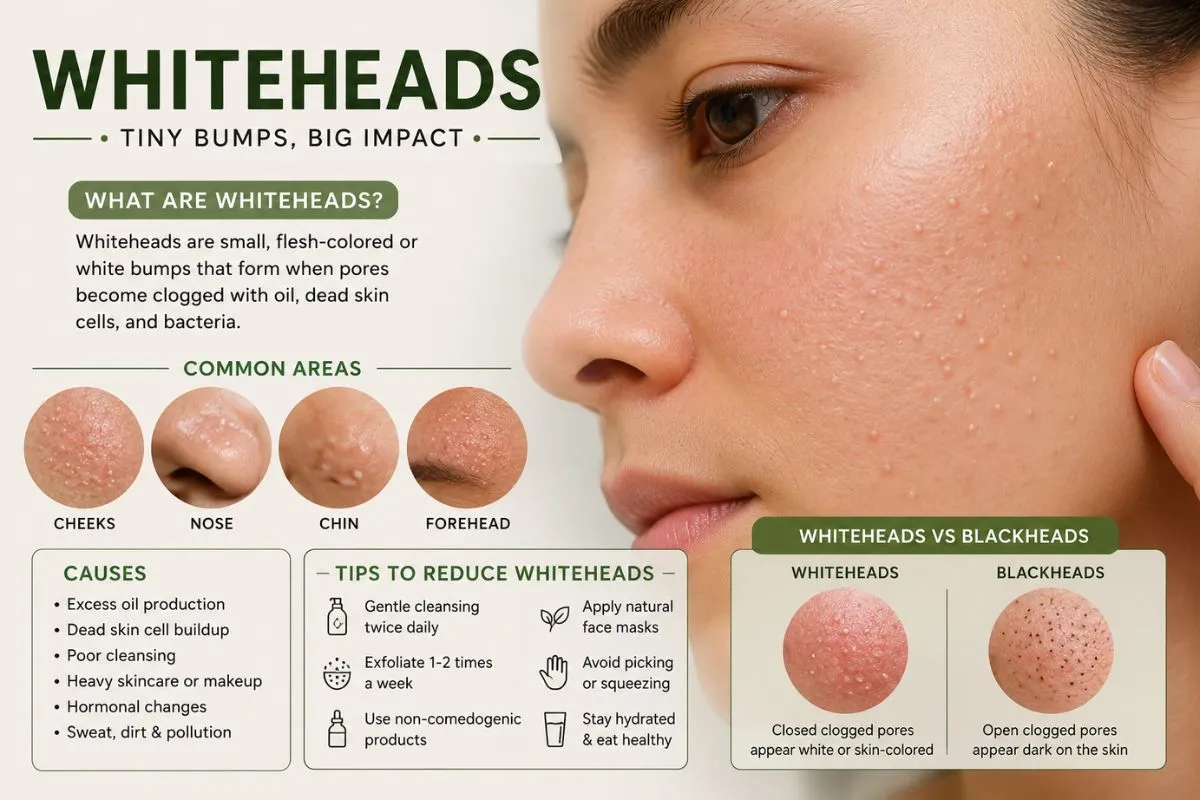
Whiteheads are a mild type of acne. They are also known as closed comedones. They form when pores become blocked with excess oil, dead skin cells, bacteria, and buildup. Because the pore opening stays closed, the trapped material appears as a small white or skin-colored bump.
Many people call them white pimples on face, but whiteheads are not always painful or inflamed like regular pimples. They may look tiny, rough, or bumpy, especially around the forehead, cheeks, nose, and chin. In some cases, they appear in clusters and make the skin feel uneven.
Whiteheads are common in oily, combination, and acne-prone skin. However, dry skin can also get whiteheads if dead skin cells are not removed gently. That is why whitehead removal should focus on balance, not aggression. Your goal is to keep pores clean, reduce excess oil, and protect the skin barrier.
What Causes Whiteheads?
Before choosing any whitehead acne treatment, it is important to understand what causes whiteheads. When your skin produces too much oil, that oil can mix with dead skin cells and block your pores. Once the pore is blocked and closed, a whitehead forms.
Common white head causes include excess sebum, hormonal changes, sweating, pollution, makeup buildup, heavy moisturizers, not cleansing properly, and using skincare products that are too oily for your skin type. Hair oils, dirty pillowcases, and touching your face often can also make whiteheads on face worse.
Another common reason is over-exfoliation. Many people think scrubbing harder will speed up whitehead removal, but harsh scrubs can irritate the skin and increase bumps. When the skin barrier becomes weak, your face may produce more oil to protect itself, which can lead to more white pimples on face.
Why Do White Pimples on Face Keep Coming Back?
White pimples on face often come back because the root cause is still there. If your pores are repeatedly clogged by oil, dead skin, makeup, sunscreen, or heavy creams, new whiteheads can continue forming.
Another reason is inconsistent skincare. Using a remedy once or twice may not give visible results. Natural skincare needs time. Most people need at least a few weeks of regular care before their skin starts looking smoother and clearer.
Whiteheads on face may also return if you squeeze them. Squeezing may push the blockage deeper, irritate the surrounding skin, and cause redness, scars, or more acne. It may feel satisfying for one minute, but it can make whitehead removal harder in the long run.
The smarter approach is to use gentle cleansing, natural oil-control ingredients, and a simple routine that prevents clogged pores before they turn into bumps.
How to Reduce Whiteheads on Face Naturally
Natural skincare can be powerful, but only when it is done safely. Not every home remedy is good for your skin. Some ingredients can burn, dry, or irritate your face. To reduce whiteheads on face naturally, choose gentle methods that clean pores without damaging the skin barrier.
Below are effective natural ways to reduce white pimples on face.
1. Cleanse Your Face Gently Twice a Day
Gentle cleansing is the foundation of whitehead removal. Whiteheads on face often form when oil, sweat, sunscreen, makeup, and pollution stay on the skin for too long. Cleansing helps remove this buildup and keeps pores fresh.
Wash your face twice daily: once in the morning and once at night. If you wear makeup or sunscreen, make sure you remove it properly before sleeping. Sleeping with makeup is one of the easiest ways to invite white pimples on face.
However, do not wash your face too many times a day. Over-washing can strip natural oils and make your skin dry, tight, and irritated. When your skin feels attacked, it may produce even more oil. That can worsen whiteheads on face.
Choose a mild cleanser and use lukewarm water. Hot water can dry out the skin, while very cold water may not clean oil properly. After cleansing, pat your skin dry with a clean towel. Do not rub aggressively.
2. Avoid Squeezing Whiteheads
Squeezing whiteheads may look like a quick fix, but it is one of the worst habits for whitehead removal. When you squeeze whiteheads on face, you may push bacteria and oil deeper into the skin. This can lead to swelling, redness, infection, dark marks, and scars.
White pimples on face need patience. Instead of popping them, use a consistent skincare routine that softens buildup and supports natural clearing. Your skin knows how to renew itself, but it needs the right environment.
If a whitehead is very painful, swollen, or infected, it is better to consult a dermatologist instead of forcing it out at home.
3. Use Steam Carefully, Not Daily
Steam can help soften buildup and make pores feel cleaner, but it must be used carefully. Too much steam can irritate your skin, increase redness, and make acne-prone skin more sensitive.
For whiteheads on face, gentle steaming once a week may help loosen trapped oil and dead skin. Keep your face at a safe distance from the steam and limit it to 5–7 minutes. After steaming, follow with a gentle clay or herbal mask to absorb excess oil.
Do not steam your face every day. Daily steaming can weaken the skin barrier and may make white pimples on face worse, especially if your skin is sensitive.
4. Try Multani Mitti for Oil Control
Multani Mitti, also known as Fuller’s Earth, is one of the most loved natural ingredients for oily and acne-prone skin. It helps absorb excess oil, refresh the skin, and reduce the greasy feeling that often contributes to clogged pores.
For whitehead removal, Multani Mitti can be helpful because it supports cleaner-looking pores without the need for harsh scrubbing. It is especially useful for people who get whiteheads on nose, forehead, or chin due to excess oil.
Mix Multani Mitti with rose water or plain water to make a smooth paste. Apply a thin layer to the face and leave it until semi-dry. Do not let it become extremely tight or cracked on your skin. Rinse gently and apply a light moisturizer afterward.
Use it 1–2 times weekly if your skin is dry or sensitive, and 2–3 times weekly if your skin is oily. Overuse can cause dryness, so balance is key.
5. Use Neem for Acne-Prone Skin
Neem is a traditional herbal ingredient known for supporting acne-prone skin. It can be useful for white pimples on face because it helps keep the skin feeling clean, calm, and balanced.
Neem-based masks may help reduce the appearance of clogged pores and support a clearer complexion over time. If your whiteheads on face are linked with oiliness or mild acne, neem can be a smart natural ingredient to include in your routine.
You can use neem in a ready-made herbal face mask or mix neem powder carefully with soothing ingredients like rose water or aloe vera. Always patch test first, especially if your skin is sensitive.
6. Use Turmeric Carefully for Uneven Tone
Turmeric is popular in natural skincare because it is traditionally used for glow, blemishes, and uneven skin tone. However, turmeric should be used carefully. Too much turmeric can stain the skin or irritate sensitive areas.
For whitehead removal, turmeric is not a magic overnight solution. It may help support the skin after breakouts and improve the look of dullness or post-acne marks. If you have white pimples on face, turmeric should be combined with oil-control and pore-cleansing ingredients rather than used alone.
Use a small amount in a balanced herbal mask. Avoid applying strong turmeric mixtures directly for long periods. Gentle use is the secret.
7. Try Aloe Vera for Soothing Support
Aloe vera is a calming ingredient that can support irritated or acne-prone skin. If your whiteheads on face become red or sensitive due to over-scrubbing, aloe vera can help soothe the skin and restore comfort.
Aloe vera is also lightweight, which makes it suitable for people who dislike heavy creams. Heavy creams can be one of the white head causes for some skin types because they may clog pores.
Use pure aloe vera gel or mix aloe vera with a gentle herbal mask. If using fresh aloe vera from the plant, patch test first because some people can react to it.
8. Exfoliate Gently, Not Aggressively
Dead skin buildup is one of the main reasons behind clogged pores and white pimples. Exfoliation helps remove dead skin cells, but it should be gentle.
Harsh scrubs can create tiny scratches, irritation, and inflammation. This can make whiteheads on face look worse. Instead of rough scrubbing, choose mild exfoliation methods and use them only 1–2 times a week.
Natural masks with clay, herbs, and soft powders can support gentle exfoliation without damaging the skin. The aim is to smooth the skin slowly, not peel it aggressively.
If your face burns, stings, or becomes very red after exfoliating, stop using that product. Your skin should feel fresh, not punished.
9. Use a Herbal Face Mask 2–3 Times Weekly
A good herbal face mask can be a beautiful addition to your whitehead acne treatment routine. It can absorb excess oil, remove buildup, refresh the skin, and support a smoother texture.
Hudira’s organic skincare approach is built around natural ingredients that support real skin needs. A herbal anti-acne face mask can help your skin feel cleaner and more balanced without using harsh methods. Or you can check homemade recipes here: 8 Best Types of Facial Masks for Your Skin Type
Use a herbal mask 2–3 times a week, depending on your skin type. Mix it with rose water, plain water, or aloe vera. Apply evenly, leave it for the recommended time, and rinse gently. Always moisturize afterward to protect your skin barrier.
Whiteheads on Chin: Why They Happen
Whiteheads on chin are very common. This area can be affected by hormonal changes, touching the face, mask-wearing, phone contact, and heavy skincare products. Some people also get chin bumps before their period or during times of stress.
To reduce whiteheads on chin, keep your routine simple. Avoid applying heavy oils around the jawline and chin. Clean your phone screen, change pillowcases often, and avoid resting your chin on your hands.
A gentle herbal mask can help control oil and reduce buildup in this area, but do not overuse it. The chin can become dry and irritated if treated too harshly.
Whiteheads on Nose: Why This Area Gets Clogged
Whiteheads on nose often happen because the nose produces more oil than other areas of the face. Pores on the nose can easily become blocked with sebum, sunscreen, makeup, and pollution.
For whitehead removal around the nose, focus on proper cleansing and oil control. Avoid squeezing the nose because this can cause redness, broken capillaries, and irritation.
Use a clay-based mask on the nose area 2–3 times weekly if your skin is oily. You can also apply the mask only to your T-zone if your cheeks are dry.
How Long Does Whitehead Removal Take Naturally?
Natural whitehead removal takes time. You may notice your skin feeling cleaner within a few days, but visible improvement usually takes a few weeks. Whiteheads do not disappear permanently overnight because your skin renews gradually.
If you follow a consistent routine, avoid harsh remedies, and use the right ingredients, your skin can start looking smoother and clearer over time.
Conclusion
Whiteheads on face are common, but they do not have to control your confidence. These tiny bumps usually form when oil, dead skin cells, and buildup clog the pores. Once you understand what causes whiteheads, it becomes easier to choose the right solution.
The safest natural approach is gentle cleansing, smart exfoliation, oil control, and consistent use of skin-friendly herbal ingredients. Avoid squeezing, harsh scrubs, lemon juice, baking soda, and aggressive DIY hacks. Your skin deserves calm care, not punishment.
If you want a natural way to support whitehead removal and reduce the appearance of white pimples on face, add Hudira organic products to your routine. Explore Hudira’s herbal skincare collection and choose products that help your skin feel clear, balanced, and naturally beautiful.
Your clearer skin journey can start today — gently, naturally, and confidently with Hudira.
FAQs
Q. How to remove whiteheads permanently?
To remove whiteheads permanently, you need to prevent clogged pores from coming back. Cleanse your face daily, avoid heavy creams, remove makeup before sleeping, exfoliate gently, and use a natural face mask regularly. However, no remedy can promise permanent results forever because oil, hormones, weather, and skincare habits can change. A consistent routine is the best long-term solution.
Q. Are white pimples on face the same as whiteheads?
White pimples on face can be whiteheads, but not always. Whiteheads are closed clogged pores that appear as small white or skin-colored bumps. Some white pimples may be inflamed acne or pus-filled pimples. If the bumps are painful, swollen, or spreading, it is better to get professional advice.
Q. What causes whiteheads on face?
Whiteheads on face are caused by clogged pores. Common causes include excess oil, dead skin cells, makeup buildup, pollution, sweating, hormonal changes, heavy skincare products, and touching the face often. These white head causes can block the pore and create small white bumps.
Q. Can a natural face mask help with whitehead removal?
Yes, a natural face mask can support whitehead removal when used correctly. Ingredients like Multani Mitti, neem, turmeric, and aloe vera can help absorb excess oil, refresh the skin, and support gentle exfoliation. Use a mask 2–3 times weekly and avoid over-drying your skin.
Q. Should I squeeze whiteheads on face?
No, you should not squeeze whiteheads on face. Squeezing can push bacteria deeper, cause redness, create scars, and make acne worse. It is better to use gentle skincare, regular cleansing, and herbal support for safe whitehead removal.


Add comment