
No products in the cart.

Feet flaky skin can make your feet look dry, rough, and unhealthy, even when the rest of your skincare routine is on point. The good news? You do not always need harsh treatments to restore softness. With the right natural care, gentle exfoliation, and deep moisturization, you can improve dry flaky skin and support smoother, healthier-looking skin from home.
But here is the thing most people miss: flaky skin is not only about removing dead skin. Sometimes foot skin peeling happens because your skin barrier is weak, your feet are under pressure, or your routine is secretly making dryness worse. So before you scrub harder, let’s uncover the gentle, natural way to care for your feet and the mistakes that may be keeping them dry.
What Is Feet Flaky Skin?

Feet flaky skin happens when the outer layer of skin becomes dry, rough, and starts shedding in small white or rough patches. It commonly appears on the heels, soles, sides of the feet, and sometimes between the toes.
In many cases, dry flaky skin is caused by simple dryness, friction, weather changes, harsh soaps, or lack of moisturization. However, flaky skin on feet can also happen due to conditions like athlete’s foot, eczema, psoriasis, or excessive sweating. That is why it is important to understand the cause before choosing a remedy.
Foot skin peeling may look harmless at first, but if ignored, it can lead to rough heels, cracks, discomfort, and uneven texture. A gentle natural routine can help soften the skin, remove buildup, and keep your feet looking fresh.
Common Causes of Dry Flaky Skin on Feet
Before learning how to remove feet flaky skin naturally, you need to know why it happens. This helps you treat the root cause instead of only removing visible flakes.
1. Lack of Natural Oil Glands
Unlike the face, the soles of your feet do not have many oil glands. This means they can become dry more easily. Without enough moisture, dry skin on feet can develop quickly.
2. Friction from Shoes
Tight shoes, hard sandals, and long walking hours can create pressure on the feet. Over time, this friction causes thick, rough skin and flaky skin on feet, especially around the heels and sides.
3. Hot Water and Harsh Soaps
Very hot showers and strong soaps can strip away natural moisture. This weakens the skin barrier and makes foot skin peeling more noticeable.
4. Weather Changes
Cold weather, dry air, and dusty environments can pull moisture from the skin. This is one of the biggest reasons people experience dry skin during seasonal changes.
5. Skipping Moisturizer
Many people moisturize their face and hands daily but forget their feet. Without regular hydration, dry flaky skin on feet becomes more stubborn.
6. Excessive Scrubbing
Scrubbing too hard may feel satisfying, but it can damage the skin barrier. This can make flaky skin on feet worse instead of better.
7. Possible Skin Conditions
Sometimes skin peeling is linked with fungal infection, eczema, psoriasis, or diabetes-related skin concerns. If peeling comes with itching, burning, pain, bleeding, swelling, or a bad smell, it is better to consult a doctor or dermatologist.
How to Remove Feet Flaky Skin Naturally

Natural foot care works best when you follow a simple routine: soften, exfoliate, moisturize, and protect. These steps help remove dead skin gently while supporting long-term smoothness.
1. Start with a Warm Foot Soak
A warm foot soak is one of the easiest ways to soften flaky skin naturally. It prepares the skin for gentle exfoliation and helps loosen dry patches.
How to do it
Fill a tub with warm water. Soak your feet for 10 to 15 minutes. Keep the water warm, not hot. Hot water can make dry flaky skin worse by stripping moisture.
You can add one of these natural ingredients:
- A spoon of honey
- A small amount of oatmeal
- A few drops of coconut oil
- A pinch of Epsom salt
- Rose water for a refreshing feel
After soaking, pat your feet dry with a soft towel. Do not rub harshly because flaky skin on feet can become irritated.
2. Use a Pumice Stone Gently
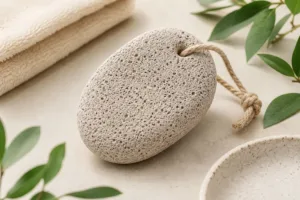
A pumice stone can help remove rough, dead skin from your feet when used properly. The key is to be gentle. Overuse can cause irritation and make feet flaky skin more sensitive.
How to use it safely
After soaking your feet, wet the pumice stone. Gently rub it over rough areas in circular motions. Focus on the heels, soles, and sides of the feet. Avoid broken, painful, or bleeding skin.
Use it only 1 to 2 times per week. Daily scrubbing can worsen dry flaky skin on feet.
Important tip
Never use razors, sharp blades, or harsh scrapers to remove flaky skin. These can cause cuts, infections, and long-term skin damage.
3. Try an Oatmeal and Honey Foot Scrub
Oatmeal and honey are beautiful natural ingredients for dry skin. This gentle scrub helps remove feet dry skin without being harsh. It is a great option for people who want natural exfoliation for dry flaky skin on feet.
Honey also gives a soft, smooth feeling, while oatmeal helps calm rough texture. Together, they make a skin-loving remedy for flaky skin.
DIY oatmeal honey scrub
Mix:
- 2 tablespoons finely ground oatmeal
- 1 tablespoon honey
- 1 teaspoon coconut oil or olive oil
Apply the mixture to your feet and massage gently for 2 to 3 minutes. Rinse with lukewarm water and pat dry.
4. Soothe and Soften with an Epsom Salt Soak
An Epsom salt soak is a simple natural remedy that may help soften feet flaky skin before exfoliation. It works best when your heels feel rough, dry, or tired after a long day.
How to use it
Add 1 to 2 tablespoons of Epsom salt to a tub of warm water. Soak your feet for 10 to 15 minutes, then gently pat them dry. If needed, use a pumice stone lightly on rough areas and follow with a rich moisturizer.
Why it helps
This soak helps loosen dry flaky skin on feet, making it easier to remove dead skin gently. It can also make your feet feel relaxed, fresh, and smooth. For best results, use it once or twice a week and always moisturize afterward to prevent flaky skin from coming back.
5. Apply Coconut Oil Overnight
Coconut oil is a popular natural option for softening dry areas. It helps seal moisture and supports smoother-looking skin. Use coconut oil at night because your feet have more time to absorb the moisture. This is especially helpful if your feet feel rough by the end of the day.
How to use it
After washing and drying your feet, apply a thin layer of coconut oil. Massage it into the heels, soles, and flaky areas. Wear clean cotton socks overnight.
This simple method can help reduce the appearance of foot skin peeling and dryness when used consistently.
6. Use Shea Butter for Deep Moisture
Shea butter is rich, creamy, and deeply moisturizing. It is excellent for rough heels and dry flaky skin. Shea butter creates a protective layer that helps prevent moisture loss. When used regularly, it can improve the look and feel of flaky skin on feet.
For best results, apply it after a foot soak or gentle exfoliation. This helps lock in hydration when the skin is soft.
How to apply
Take a small amount of shea butter and warm it between your palms. Massage it into the feet, especially on flaky or cracked areas. Cover with cotton socks for better absorption.
7. Try Glycerin and Rose Water
Glycerin is a humectant, which means it helps draw moisture into the skin. Rose water feels cooling and refreshing. Together, they can support soft, hydrated feet. This blend may help soften dry flaky skin and reduce roughness. It is especially useful when your feet feel dry but not deeply cracked.
Use it regularly for smoother-looking feet and less visible foot skin peeling.
Simple home mixture
Mix:
- 1 tablespoon glycerin
- 1 tablespoon rose water
Apply the mixture to clean feet before bedtime. Wear socks overnight if comfortable.
8. Moisturize Immediately After Washing
One of the biggest mistakes people make is waiting too long after washing their feet. The best time to apply moisturizer is when the skin is slightly damp.
Why timing matters
After a shower or foot soak, your skin is ready to absorb hydration. Applying a moisturizer quickly helps lock in moisture and reduce feet flaky skin over time.
Choose a rich moisturizer for dry flaky skin that contains nourishing ingredients like shea butter, glycerin, aloe vera, coconut oil, or plant-based oils.
Pro tip
Keep a foot cream, body butter, or natural balm near your bed. This makes it easier to stay consistent. For dry feet, consistency matters more than one-time heavy treatment.
9. Wear Cotton Socks Overnight
Cotton socks help seal in moisture after applying oil, balm, or cream. This simple trick can make a big difference for flaky skin on feet.
How to do it
Before sleeping, apply your moisturizer or natural oil. Then wear clean cotton socks. In the morning, your feet should feel softer and smoother.
This method works well for people with dry flaky skin because it prevents the product from rubbing off on bedsheets.
10. Avoid Lemon on Cracked or Sensitive Skin
Many DIY remedies suggest lemon for foot skin peeling, but lemon can irritate dry, cracked, or sensitive skin. It may cause burning and make the skin barrier weaker.
If you have flaky skin with cracks, redness, or pain, avoid lemon-based remedies. Choose soothing ingredients like oatmeal, honey, shea butter, aloe vera, glycerin, or coconut oil instead.
Natural does not always mean gentle for everyone. Always choose ingredients that support your skin, not stress it.
11. Keep Feet Clean and Dry
Moisture is good when it comes from creams and natural oils, but trapped sweat between toes can create problems. If your foot skin peeling is between the toes and comes with itching or burning, it may not be simple dryness.
Healthy foot hygiene tips
- Wash feet daily
- Dry between toes carefully
- Change socks regularly
- Avoid wearing damp shoes
- Rotate footwear when possible
- Do not share foot files or pumice stones
Good hygiene helps reduce irritation and keeps flaky skin on feet from getting worse.
When Should You See a Doctor?
Most mild feet flaky skin can be improved with gentle home care. However, some signs need professional advice.
See a doctor, dermatologist, or podiatrist if you notice:
- Bleeding cracks
- Painful heels
- Swelling
- Pus or infection signs
- Strong itching
- Burning between toes
- Bad odor
- Peeling that keeps spreading
- Diabetes-related foot concerns
- No improvement after consistent care
Foot skin peeling is not always simple dryness. If something feels unusual, it is always better to be safe.
Final Thoughts
Feet flaky skin is common, but it does not have to be permanent. With warm soaks, gentle exfoliation, natural oils, rich moisturizers, and a consistent routine, you can improve dry flaky skin on feet and enjoy softer, smoother-looking skin.
The secret is not harsh scrubbing. The secret is patience, hydration, and gentle care. When you treat your feet with the same love you give your face, the results can feel amazing.
Give your feet the soft, natural care they deserve with Hudira organic products. Explore Hudira’s plant-powered skincare essentials made to nourish, cleanse, and support healthy-looking skin — gently and naturally.
Your self-care starts from head to toe. Let Hudira help you glow naturally, heal gently, and feel confident in your skin every day.
FAQs
Q. How to remove dead skin from feet naturally?
To remove dead skin from feet naturally, start with a warm foot soak for 10 to 15 minutes, then gently exfoliate with a pumice stone or oatmeal scrub. After that, apply a rich moisturizer or natural oil and wear cotton socks overnight.
Q. What causes dry flaky skin on feet?
Dry flaky skin on feet can happen due to lack of moisture, friction from shoes, harsh soaps, hot water, dry weather, standing for long hours, or skipping foot care. Sometimes flaky skin on feet may also be linked to athlete’s foot, eczema, psoriasis, or other skin concerns.
Q. Is foot skin peeling always caused by dryness?
No, foot skin peeling is not always caused by dryness. It can also happen because of fungal infections, sweating, irritation, eczema, psoriasis, or skin sensitivity. If peeling comes with itching, burning, redness, pain, or odor, consult a doctor.
Q. Can I scrub feet with flaky skin every day?
No, daily scrubbing is not recommended. Scrubbing too often can damage the skin barrier and make feet flaky skin worse. Exfoliate gently 1 to 2 times per week and moisturize daily.
Q. What is the best natural moisturizer for dry flaky feet?
Shea butter, coconut oil, glycerin, aloe vera, and plant-based balms are great options. A good moisturizer for dry flaky skin should deeply hydrate, soften rough areas, and help lock in moisture overnight.


Add comment