
No products in the cart.
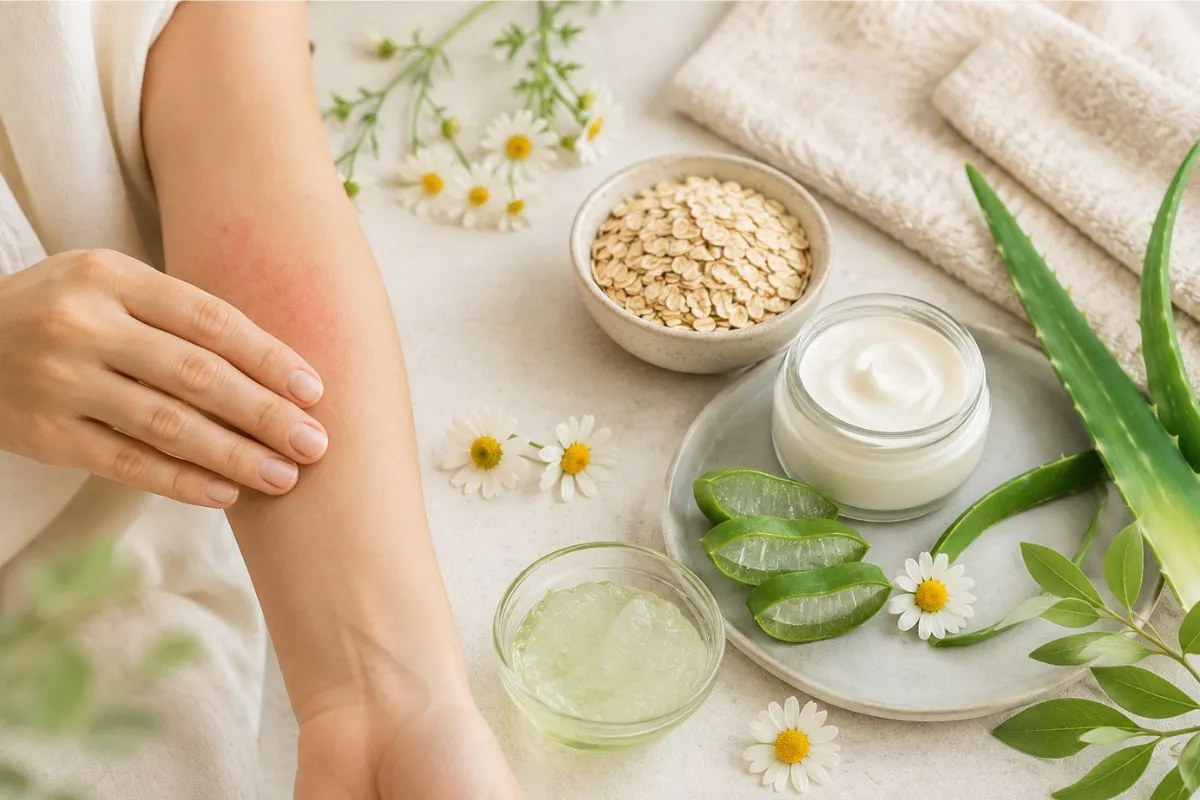
Skin allergies can appear suddenly and make your skin feel itchy, red, swollen, dry, or uncomfortable. Whether the trigger is a new skincare product, dust, pollen, fragrance, detergent, food, jewelry, or weather change, your skin may react when it feels attacked. The good news is that gentle home remedies for skin allergies may help calm mild irritation, reduce dryness, and support the skin barrier when used carefully.
But here is the real secret: not every natural ingredient is safe for irritated skin. Some viral DIY hacks can make itching and redness worse. So, before applying anything from your kitchen or beauty shelf, it is important to know which skin allergy natural remedies are actually soothing, which ones need caution, and when a simple home medicine for allergy is not enough. Let’s uncover the safest, most effective, and skin-loving ways to bring your skin back to comfort.
What Are Skin Allergies?
A skin allergy happens when your skin reacts to something it sees as irritating or harmful. This reaction may appear as itching, redness, rash, swelling, bumps, dryness, burning, or flaky patches. Sometimes the reaction begins quickly, and sometimes it appears hours or even days after contact with the trigger.
Common triggers include fragrance, cosmetics, soaps, detergents, nickel jewelry, certain fabrics, plants, dust, pollen, pet dander, food allergens, insect bites, harsh skincare ingredients, or weather changes. For some people, even a new face cream, body lotion, sunscreen, or hair dye can cause a reaction.
This is why home remedies for skin allergies should always be gentle. The goal is not to “shock” the skin with strong ingredients. The goal is to calm, cool, moisturize, and protect the skin while avoiding the trigger. A safe skin allergy natural remedy should support comfort, not cause burning, stinging, or more redness.
Common Signs of Skin Allergies
Skin allergy symptoms can look different from person to person. However, the most common signs include:
- Itching
- Redness
- Dry patches
- Swelling
- Bumps or raised rash
- Burning sensation
- Flaky or cracked skin
- Hives
- Tender or sensitive skin
- Oozing or crusting in severe cases
Mild symptoms may improve with gentle care and skin allergy natural remedies, but severe symptoms need medical attention. If you have trouble breathing, swelling of the lips, tongue, throat, or face, dizziness, fever, infection, or a rash spreading quickly, seek urgent medical help.
Why Natural Remedies Can Help Mild Skin Allergies
Natural remedies may help because many calming ingredients support hydration, cooling, and barrier repair. When your skin barrier is weak, irritants can enter more easily, making itching and redness worse. That is why soothing the barrier is one of the most important steps in managing allergy-prone skin.
The best home remedies for skin allergies focus on three simple goals:
- Cool the skin
- Reduce dryness and itching
- Protect the skin from further irritation
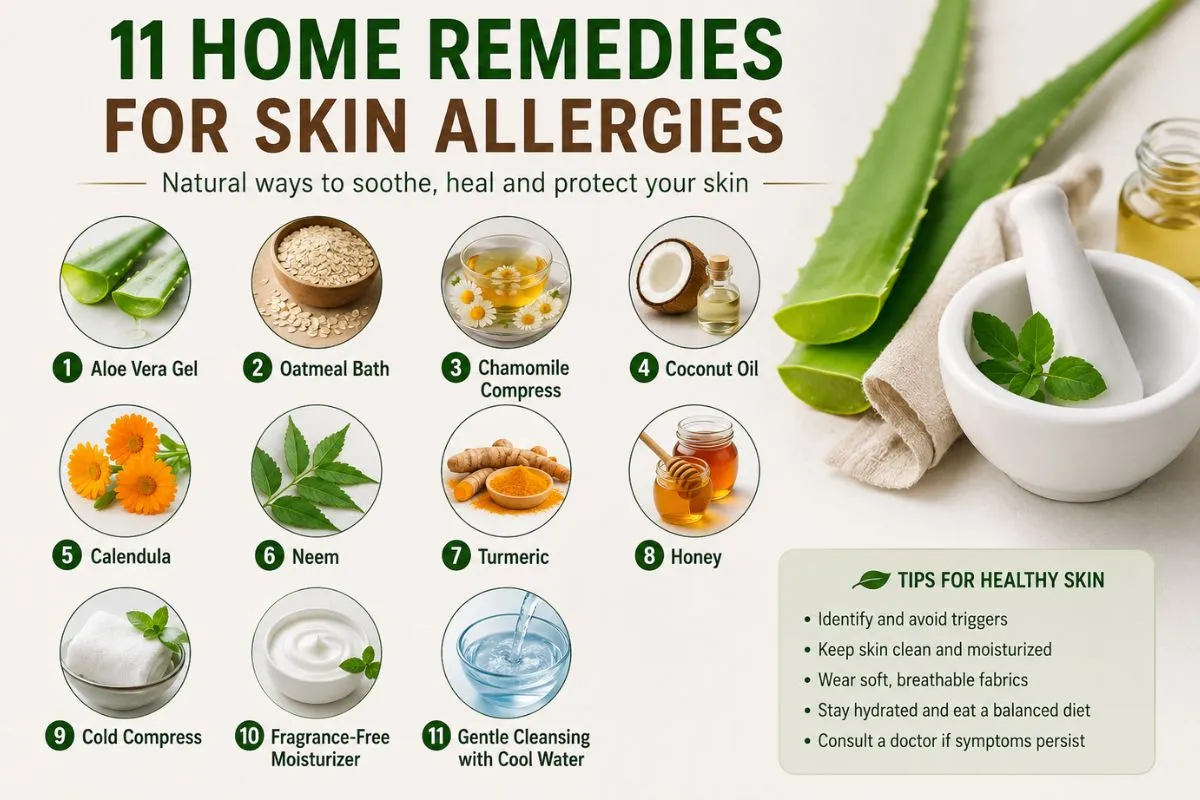
1. Aloe Vera Gel for Cooling and Comfort
Aloe vera is one of the most popular skin allergy natural remedies because it feels cooling, lightweight, and soothing. It may help calm mild redness, dryness, and irritation. Aloe vera is especially helpful when the skin feels warm or uncomfortable.
Use pure aloe vera gel and apply a thin layer to the affected area. Let it absorb naturally, then follow with a gentle moisturizer if your skin feels dry. Always do a patch test first, especially if you have sensitive skin.
Avoid aloe products with added fragrance, alcohol, artificial color, or strong preservatives. For allergy-prone skin, simple is better. This skin allergy natural remedy works best when it is clean, pure, and used gently.
2. Oatmeal Bath for Itching and Dryness
Oatmeal is the most trusted remedy, especially when itching is the main problem. It can help comfort dry, rough, and irritated skin. Colloidal oatmeal, which is finely ground oatmeal, is commonly used in soothing skincare products and baths.
To make an oatmeal bath, grind plain oats into a fine powder and add it to lukewarm bath water. Soak for 10 to 15 minutes, then gently pat your skin dry. Do not rub with a towel because rubbing can make itching worse. After the bath, apply a fragrance-free moisturizer.
For smaller areas, mix finely ground oatmeal with a little water to create a soft paste. Apply it for a few minutes, then rinse gently. This is a useful home remedy for allergic skin reaction when the reaction is mild and the skin is not broken or infected.
3. Fragrance-Free Moisturizer to Repair the Skin Barrier
A moisturizer may not sound exciting, but it is one of the most powerful steps for irritated skin. When skin allergies make the skin dry, cracked, or flaky, a gentle moisturizer helps support the skin barrier and reduce discomfort.
Choose a fragrance-free, alcohol-free, non-irritating moisturizer. Look for calming and barrier-supporting ingredients such as aloe vera, glycerin, ceramides, oatmeal, shea butter, or calendula. Avoid strong perfumes, harsh exfoliants, and products that sting.
This may be the most important home medicine for allergy because dry skin often becomes itchier. Moisturizing two to three times a day can make a visible difference in how comfortable your skin feels. For best results, apply moisturizer after a cold compress, oatmeal bath, or gentle cleansing.
4. Coconut Oil for Dry, Flaky Skin
Coconut oil can help soften dry, rough, and flaky skin. It may be useful when allergy-prone skin feels tight and uncomfortable. However, it is not the best choice for everyone.
If your skin is acne-prone, oily, or easily clogged, coconut oil may cause breakouts. Use only a small amount and avoid applying it to active acne areas. For body dryness, it may work better than on the face.
As a skin allergy natural remedy, coconut oil is best for dryness, not severe rash or swelling. If your skin burns, stings, or becomes more red after using it, stop immediately.
5. Chamomile Compress for Sensitive Skin
Chamomile is often used in calming skincare because it has a gentle, comforting feel. A cool chamomile compress may help soothe mild irritation and support relaxation when the skin feels stressed.
To make it, brew chamomile tea, let it cool completely, dip a clean cloth into it, and place it on the affected skin for 10 minutes. Do not use hot tea on irritated skin. Heat can worsen itching and redness.
Chamomile is a lovely skin allergy natural remedy, but it is not suitable for everyone. If you are allergic to ragweed, daisies, or similar plants, avoid chamomile or patch test very carefully. With allergy-prone skin, even gentle herbs can sometimes cause a reaction.
6. Cold Compress for Fast Itch Relief
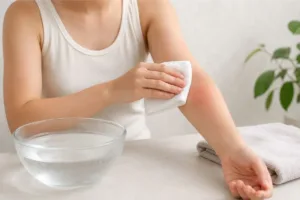
A cold compress is one of the easiest home remedies for skin allergies because it helps cool the skin and reduce the urge to scratch. It is especially useful when the skin feels hot, itchy, or swollen.
To use it, wrap a few ice cubes in a soft clean cloth or soak a cloth in cold water. Place it on the irritated area for 10 to 15 minutes. Do not apply ice directly to the skin because it can damage sensitive or inflamed areas.
A cold compress is a simple skin allergy natural remedy that works well before applying moisturizer. It can give quick comfort while you figure out what caused the reaction.
7. Calendula for Calm, Comforted Skin
Calendula is a gentle herbal ingredient often used in soothing balms, creams, and natural skincare products. It is a great option for people looking for best herbal remedies for allergies related to mild skin irritation.
Calendula may help comfort skin that feels dry, rough, or sensitive. You can use a calendula-infused cream, balm, or oil, but make sure the formula is fragrance-free and designed for sensitive skin.
This is one of the more brand-friendly skin allergy natural remedies because it fits beautifully into organic skincare routines. It feels soft, natural, and calming without being too harsh.
8. Neem for Irritated and Blemish-Prone Skin
Neem is a powerful herbal ingredient often used in traditional skincare. It is commonly associated with blemish-prone, irritated, or uncomfortable skin. However, neem can be strong, so it should be used carefully.
Do not apply concentrated neem oil directly to irritated skin. Instead, choose a gentle neem-based skincare product or dilute it properly with a carrier oil. Always patch test first.
Neem can be a helpful skin allergy natural remedy for some people, but it is not ideal for open wounds, severe rash, or very reactive skin. If your skin becomes more irritated, discontinue use.
9. Turmeric for Inflammation Support
Turmeric is a popular natural ingredient used in skincare because of its calming and brightening reputation. It may help support skin comfort when used in gentle formulas.
However, turmeric can stain the skin and clothing. It can also irritate sensitive skin if used in high amounts or mixed with harsh ingredients like lemon juice. Avoid strong DIY turmeric masks if your skin is actively inflamed.
A safer option is to use skincare products that contain turmeric in a balanced formula. This allows you to enjoy the benefits of a natural remedy without creating a messy or irritating DIY treatment.
10. Honey for Softness and Comfort
Honey is often used in DIY skincare for its softening and comforting feel. It can help dry skin feel smoother and more nourished. For mild irritation, a thin layer of raw honey may feel soothing for some people.
Apply honey to a small patch of skin for 5 to 10 minutes, then rinse gently with cool water. Do not use honey on deep wounds, infected skin, or severe allergic reactions.
Honey can be part of home remedies for skin allergies, but it is not a cure. It is best used as a gentle skin-softening ingredient when your skin is dry and uncomfortable.
11. Gentle Cleansing With Cool Water
Sometimes the best remedy is the simplest one. If your skin reacts after touching a trigger, rinse the area with cool or lukewarm water and use a mild cleanser if needed. This helps remove irritants from the skin surface.
Avoid hot water because it can increase dryness and itching. Avoid scrubbing because it can damage the skin barrier. Pat dry with a soft towel and apply moisturizer immediately.
This basic home medicine for allergy is especially useful after contact with detergent, perfume, cosmetics, plant allergens, or dust. The faster you remove the trigger, the better your skin may feel.
Natural Remedies to Avoid During Skin Allergy
Not every DIY remedy is safe. Some natural ingredients can make allergies worse, especially when the skin barrier is already weak.
Avoid these during a skin allergy flare-up:
- Lemon juice
- Toothpaste
- Harsh scrubs
- Undiluted essential oils
- Apple cider vinegar on irritated skin
- Baking soda overuse
- Fragranced lotions
- Alcohol-heavy toners
- Retinol or strong exfoliating acids
- Hot water
- Perfumed soaps
- Strong face masks
A safe home medicine for allergy should never burn or sting. If a remedy hurts, wash it off immediately. Your skin is asking for calm care, not aggressive treatment.
Simple Skincare Routine for Allergy-Prone Skin
A good routine can make home remedies for skin allergies more effective. The goal is to reduce irritation, strengthen the skin barrier, and avoid unnecessary ingredients.
Morning Routine
- Wash with a gentle cleanser or cool water.
- Apply aloe vera or a calming serum.
- Use a fragrance-free moisturizer.
- Apply sunscreen if going outside.
Night Routine
- Cleanse gently.
- Use a cold compress if the skin is itchy.
- Apply a soothing moisturizer.
- Avoid exfoliation during flare-ups.
During an allergy reaction, do not use too many products. Keep your routine simple for a few days. This helps your skin recover and makes it easier to identify the trigger.
When Home Remedies Are Not Enough
Natural care can support mild symptoms, but it is not a replacement for medical treatment. If the rash is severe, painful, spreading, infected, or not improving, speak to a doctor or dermatologist.
Seek urgent care if you notice:
- Difficulty breathing
- Swelling of lips, tongue, throat, or face
- Dizziness
- Fever
- Severe hives
- Pus or infection
- Rash near the eyes
- Skin peeling or blistering
- Symptoms after a new medicine
A home medicine for allergy may help with mild discomfort, but serious allergic reactions need professional care. Your safety always comes first.
How to Prevent Skin Allergies Naturally
Prevention is better than emergency skin rescue. Once your skin calms down, try to identify what caused the reaction.
Helpful prevention tips include:
- Choose fragrance-free skincare.
- Patch test new products.
- Avoid harsh soaps and detergents.
- Wear soft, breathable fabrics.
- Keep skin moisturized.
- Avoid scratching.
- Use sunscreen outdoors.
- Remove makeup gently.
- Avoid mixing too many active ingredients.
- Keep a skincare diary if reactions repeat.
If your skin reacts often, simplify your routine. Use fewer products and slowly add one product at a time. This makes it easier to find the problem ingredient.
Final Thoughts
Skin allergies can feel frustrating, but gentle care can make a real difference. The best home remedies for skin allergies focus on cooling, moisturizing, and protecting the skin barrier. Cold compresses, aloe vera, oatmeal baths, chamomile, calendula, and fragrance-free moisturizers are simple options that may help soothe mild itching and irritation.
Ready to give your sensitive skin the gentle care it deserves? Explore Hudira organic products and discover nature-inspired skincare made to support soft, calm, and healthy-looking skin. Choose clean, soothing, and skin-loving formulas that help your natural glow feel beautifully confident every day.
FAQs
Q. How to stop skin allergy naturally at home?
Start by removing the trigger, rinsing the skin with cool water, applying a cold compress, and using a fragrance-free moisturizer. Aloe vera gel and oatmeal baths may also help soothe mild itching. If symptoms are severe or spreading, seek medical help.
Q. What is the best home remedy for allergic skin reaction?
The best home remedy for allergic skin reaction depends on the symptoms. For itching, try a cold compress or oatmeal bath. For dryness, use a gentle moisturizer. For redness and heat, aloe vera may help. Always patch test first.
Q. Are home remedies for skin allergies safe for sensitive skin?
Many home remedies for skin allergies can be safe when used gently, but not all natural ingredients are suitable for sensitive skin. Avoid lemon juice, undiluted essential oils, harsh scrubs, and apple cider vinegar on irritated skin.
Q. Which skin allergy natural remedy works fastest?
A cold compress is often the fastest skin allergy natural remedy for mild itching and heat. Aloe vera gel may also feel cooling. For longer comfort, apply a gentle moisturizer after cooling the skin.
Q. Can I use home medicine for allergy instead of seeing a doctor?
A gentle home medicine for allergy may help mild symptoms, but it should not replace medical care for severe reactions. See a doctor if you have swelling, breathing trouble, infection, fever, severe pain, or a rash that does not improve.
Add comment