
No products in the cart.
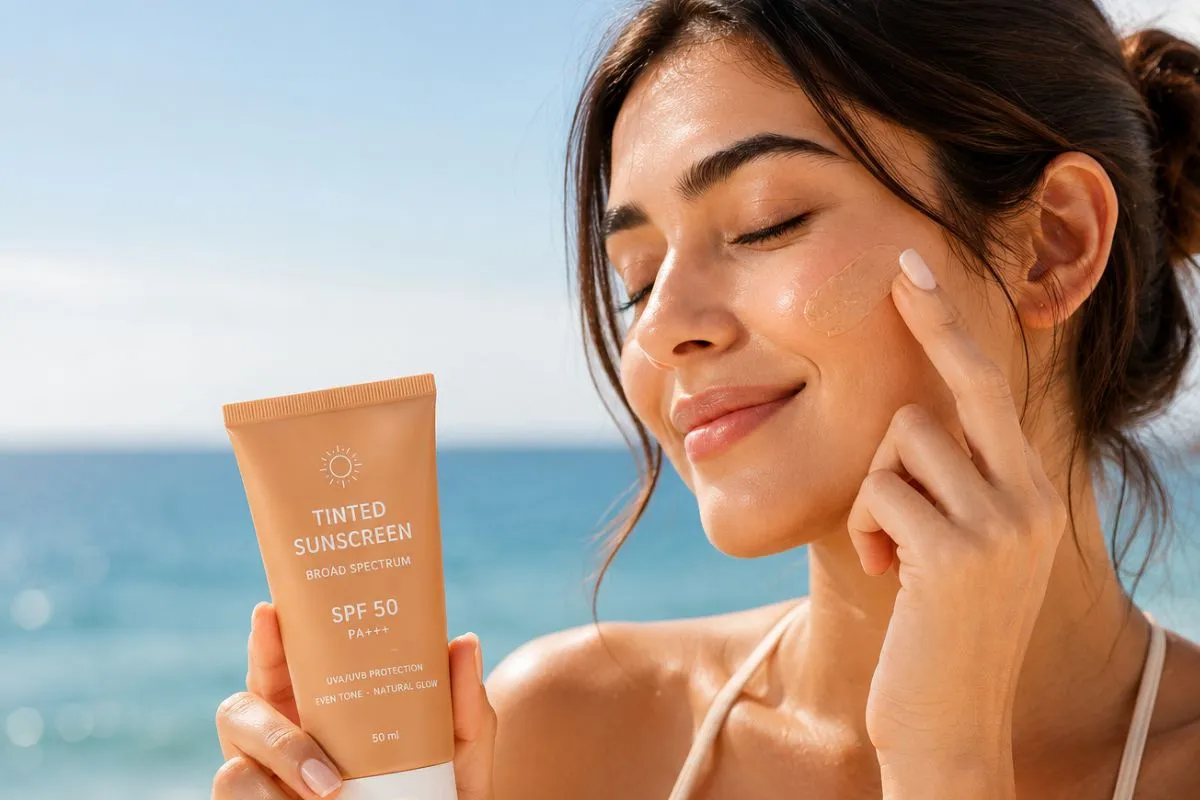
Have you ever applied sunscreen only to be left with a chalky white cast that makes your skin look dull or uneven? If so, you’re not alone. Many people struggle to find a sunscreen that provides powerful sun protection while blending naturally into their skin tone. This is where tinted body sunscreen has become a game-changing skincare essential. Designed to offer broad-spectrum protection while enhancing your natural complexion, tinted sunscreen is quickly becoming a favorite among skincare enthusiasts worldwide.
But what makes a tinted sun screen different from regular sunscreen? Is it simply sunscreen with color, or does it provide unique benefits that traditional formulas cannot? The answer may surprise you. Hidden behind its beautiful tint are remarkable skincare advantages that can help reduce the appearance of white cast, improve skin tone, and create a naturally radiant look. Let’s explore everything you need to know about what is tinted sunscreen, how it works, and why it may become your new daily skincare essential.
What Is Tinted Sunscreen?
Tinted sunscreen is a sunscreen that contains pigments designed to blend into the skin while providing sun protection. Unlike traditional sunscreens that may leave a white residue, a tinted sun screen contains skin-toned minerals or pigments that help create a more natural finish.
Many modern tinted sunscreens combine skincare, sun protection, and light complexion coverage into one product. This means you can enjoy daily SPF protection while achieving a smoother and more even-looking appearance.
A quality tinted sunscreen helps protect the skin from harmful UV rays while improving the overall look of your complexion. Many people use tinted sunscreen on both the face and body for a more polished and healthy appearance.
How Does Tinted Sunscreen Work?
Tinted sunscreen works similarly to regular sunscreen by protecting your skin from ultraviolet radiation. However, it contains added pigments, often iron oxides, which help the formula blend naturally into the skin.
These pigments provide several advantages:
- Help reduce white cast
- Improve skin tone appearance
- Offer light cosmetic coverage
- Enhance skin radiance
- Support protection against visible light exposure
A tinted mineral sunscreen often uses zinc oxide and titanium dioxide as active ingredients. These minerals sit on the skin’s surface and help reflect harmful UV rays away from the skin.
The addition of pigments makes a tinted mineral sunscreen especially popular among people with medium to deeper skin tones who want effective sun protection without an obvious white residue.
Tinted Sunscreen Benefits
Understanding tinted sunscreen benefits can help you decide whether it’s right for your skincare routine.
1. Provides Daily Sun Protection
The primary purpose of any sunscreen is protection against harmful UV rays. A high-quality tinted sunscreen helps reduce the risk of sun damage and premature aging.
Regular use can help protect the skin from sunburn, dark spots, and the visible effects of long-term UV exposure. It also supports overall skin health by creating a protective barrier against everyday environmental stressors.
2. Creates a More Even Skin Tone
One of the most appreciated tinted sunscreen benefits is its ability to make the skin appear smoother and more balanced.
The pigments help reduce the visibility of:
- Redness
- Uneven tone
- Mild discoloration
- Minor imperfections
By providing light coverage, tinted sunscreen can instantly improve the appearance of the skin without feeling heavy. This makes it a great option for those who prefer a natural, no-makeup look.
3. Supports a Natural Glow
Many people love how tinted body sunscreen creates a healthy and radiant appearance without heavy makeup.
The subtle tint helps enhance the skin’s natural complexion, giving it a fresh and luminous finish. It can make the skin look healthier and more vibrant throughout the day.
4. Helps Reduce White Cast
This is one of the most celebrated tinted sunscreen benefits, especially for people with medium, olive, tan, or deeper skin tones.
Unlike some traditional sunscreens that leave a noticeable white residue, tinted formulas blend more seamlessly into the skin. This creates a more natural appearance and improves overall comfort and confidence.
5. Simplifies Your Morning Routine
Instead of applying multiple products, a tinted sun screen combines several functions into one easy step.
Because it offers both sun protection and light coverage, it can reduce the need for additional makeup products. This saves time in the morning while still helping your skin look polished and protected.
Tinted Sunscreen vs Regular Sunscreen
Many consumers ask whether a tinted sunscreen performs differently from a standard sunscreen. The good news is that both types are designed to protect your skin from harmful UV rays when used correctly. The main difference lies in their appearance and the additional cosmetic benefits that tinted formulas can provide.
Regular Sunscreen
Regular sunscreen focuses solely on UV protection. Its primary purpose is to shield the skin from sun damage, helping to reduce the risk of sunburn, premature aging, and other effects of UV exposure. While highly effective, some formulas—especially certain mineral sunscreens—may leave a visible white cast or residue on the skin, which some users find less appealing for everyday wear.
Tinted Sunscreen
A tinted body sunscreen provides the same essential UV protection while also containing pigments that help the product blend more naturally into the skin. These pigments can improve the overall appearance of the skin, making tinted sunscreen a popular choice for people who want both protection and a polished look.
Because it combines sun protection with subtle cosmetic enhancement, tinted sunscreen is often preferred for daily wear, especially by those who want a more even and natural-looking complexion without relying on heavy makeup
Best Tinted Sunscreen for Face: What to Look For
Choosing the best tinted sunscreen for face depends on your skin type and personal preferences.
When shopping, look for:
SPF 30 or Higher
Daily protection starts with adequate SPF. Dermatologists generally recommend using a sunscreen with at least SPF 30, as it helps block a significant percentage of harmful UVB rays. Higher SPF levels can provide additional protection, especially for those who spend extended time outdoors.
Broad-Spectrum Protection
Protects against both UVA and UVB rays. UVA rays contribute to premature aging and skin damage, while UVB rays are the primary cause of sunburn. Broad-spectrum protection ensures your skin is shielded from both types of harmful radiation.
Skin-Friendly Ingredients
Look for formulas that support healthy skin while providing protection. Ingredients such as antioxidants, hydrating agents, and soothing botanical extracts can help nourish the skin while defending it against environmental stressors and sun exposure.
Suitable Shade Range
The best tinted sunscreen for face should blend naturally into your skin tone. A well-matched tint enhances your complexion, minimizes the appearance of uneven skin tone, and avoids leaving an unnatural or ashy finish on the skin.
Comfortable Finish
Whether you prefer a matte or dewy finish, choose a formula that feels comfortable throughout the day. A sunscreen that suits your skin type and personal preference is more likely to be used consistently, helping you maintain daily sun protection without discomfort.
How to Choose the Right Tinted Body Sunscreen
Not all sunscreens are created equal. When selecting a tinted sunscreen, choose a tint that blends naturally into your complexion.
Your Skin Type
For oily skin:
- Lightweight formulas
For dry skin:
- Hydrating formulas
For sensitive skin:
- Mineral-based options
Your Lifestyle
If you spend significant time outdoors, choose water-resistant protection suitable for your activities.
Selecting the right product ensures you enjoy all the remarkable tinted sunscreen benefits while maintaining healthy, protected skin.
How to Use Tinted Sunscreen Correctly
To enjoy the full benefits of a tinted body sunscreen, proper application is essential. Even the most advanced sunscreen cannot provide its advertised protection if it is applied incorrectly.
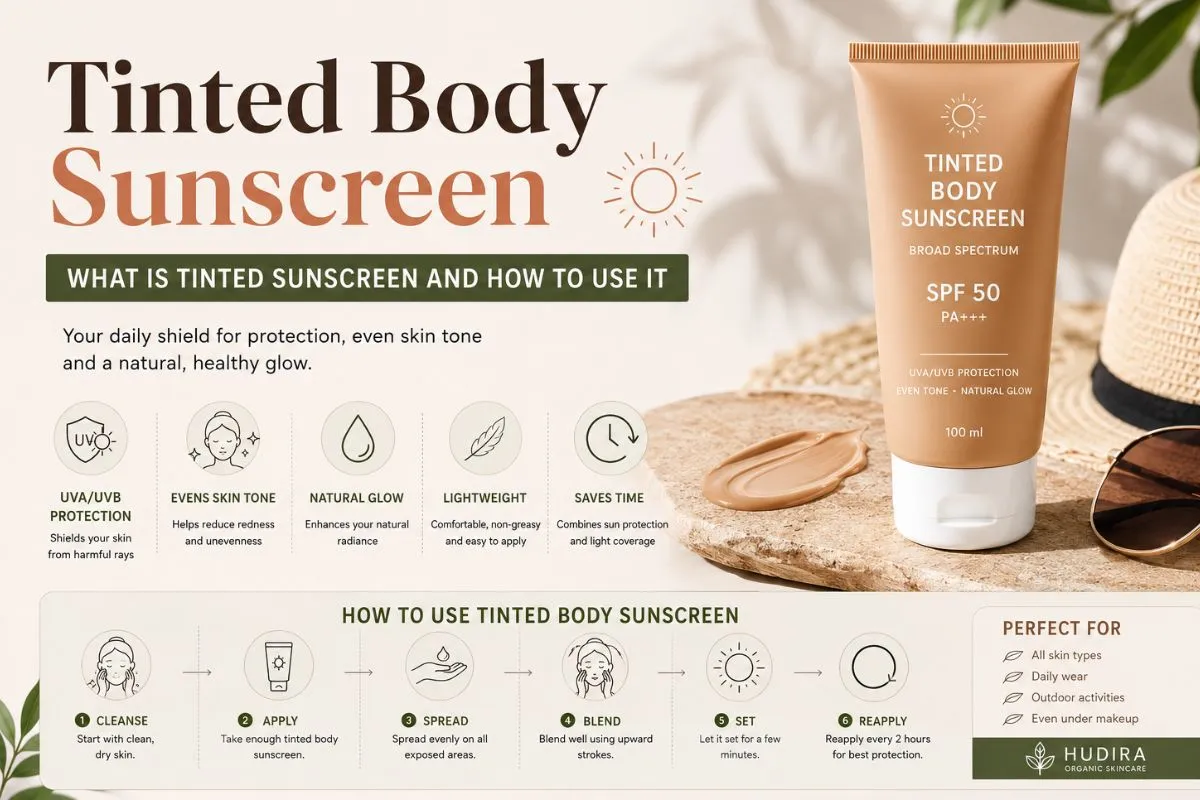
Step 1: Start with Clean Skin
Begin with freshly cleansed skin. Remove dirt, excess oil, and previous skincare products that may interfere with sunscreen performance.
Step 2: Apply Your Moisturizer
If your skin is dry, apply a lightweight moisturizer and allow it to absorb completely before using your tinted sun screen.
Step 3: Apply the Correct Amount
Many people use far too little sunscreen. For the face and neck, dermatologists commonly recommend the “two-finger rule.” Apply a line of sunscreen along the length of your index and middle fingers.
For the body, use enough tinted body sunscreen to cover all exposed areas evenly.
Step 4: Blend Thoroughly
Gently spread the sunscreen across your skin using upward and outward motions. A quality tinted mineral sunscreen should blend smoothly without leaving streaks or patches.
Step 5: Allow It to Set
Wait a few minutes before applying makeup or heading outdoors. This helps the sunscreen form an even protective layer.
How Often Should You Reapply Tinted Sunscreen?
One of the biggest mistakes people make is applying sunscreen only once.
Even the best tinted sunscreen for face needs reapplication.
You should generally reapply:
- Every two hours during sun exposure
- After swimming
- After excessive sweating
- After towel drying
Consistent reapplication helps maintain all the important tinted sunscreen benefits throughout the day.
Can Tinted Sunscreen Replace Foundation?
This is one of the most common questions among beauty enthusiasts.
The answer depends on your needs.
A tinted sun screen can provide:
- Light coverage
- More even-looking skin
- A healthy glow
- Reduced appearance of redness
For many people, a tinted body sunscreen or facial tinted sunscreen provides enough coverage for everyday wear. However, if you prefer full-coverage makeup, you may still choose to apply foundation over your sunscreen.
The advantage is that the best tinted sunscreen for face already creates a smoother base, meaning you may need less makeup overall.
Common Mistakes to Avoid
To maximize the effectiveness of your tinted body sunscreen, avoid these common mistakes.
Using Too Little Product
Insufficient application reduces protection significantly.
Skipping Reapplication
Even the best sunscreen becomes less effective over time.
Missing Key Areas
Do not forget:
- Ears
- Neck
- Chest
- Hands
- Arms
- Legs
A tinted body sunscreen should be applied to all exposed areas.
Applying Only on Sunny Days
UV rays can affect your skin even on cloudy days. Daily use provides the greatest long-term tinted sunscreen benefits.
Choosing Color Over Protection
The appearance of sunscreen is important, but protection should always come first.
Final Thoughts
Now that you understand what is tinted sunscreen, it’s easy to see why it has become such a popular skincare essential. A high-quality tinted body sunscreen provides effective sun protection while enhancing the appearance of your skin. From reducing white cast to creating a naturally radiant finish, the advantages are impressive.
The secret to healthy, youthful-looking skin is consistency. Protect your skin every day, reapply when needed, and choose products that support your skin’s long-term wellness.
Explore Hudira’s collection of organic, halal-conscious skincare products crafted to help your skin feel refreshed, balanced, and naturally radiant. From brightening face masks to glow-enhancing treatments, our carefully selected ingredients are designed to complement your skincare routine and support healthy-looking skin every day.
FAQ
Q. What is tinted sunscreen?
Tinted sunscreen is a sunscreen that contains pigments designed to blend into the skin while providing UV protection. It helps reduce white cast and creates a more natural-looking finish.
Q. Is tinted body sunscreen better than regular sunscreen?
A tinted body sunscreen offers the same sun protection benefits while providing additional cosmetic advantages such as improved skin tone and reduced white residue.
Q. Can tinted sunscreen replace foundation?
A tinted sun screen can replace foundation for people who prefer light coverage and a natural appearance. However, those wanting full coverage may still use foundation over sunscreen.
Q. Is tinted mineral sunscreen suitable for sensitive skin?
Yes. A tinted mineral sunscreen is often a preferred choice for sensitive skin because mineral UV filters are generally gentle and effective.
Q. What is the best tinted sunscreen for face?
The best tinted sunscreen for face is one that offers broad-spectrum SPF protection, suits your skin type, blends naturally with your complexion, and feels comfortable enough for daily use.


One comment
Pingback:
11 Effective Home Remedies for Skin Allergies Relief