
No products in the cart.
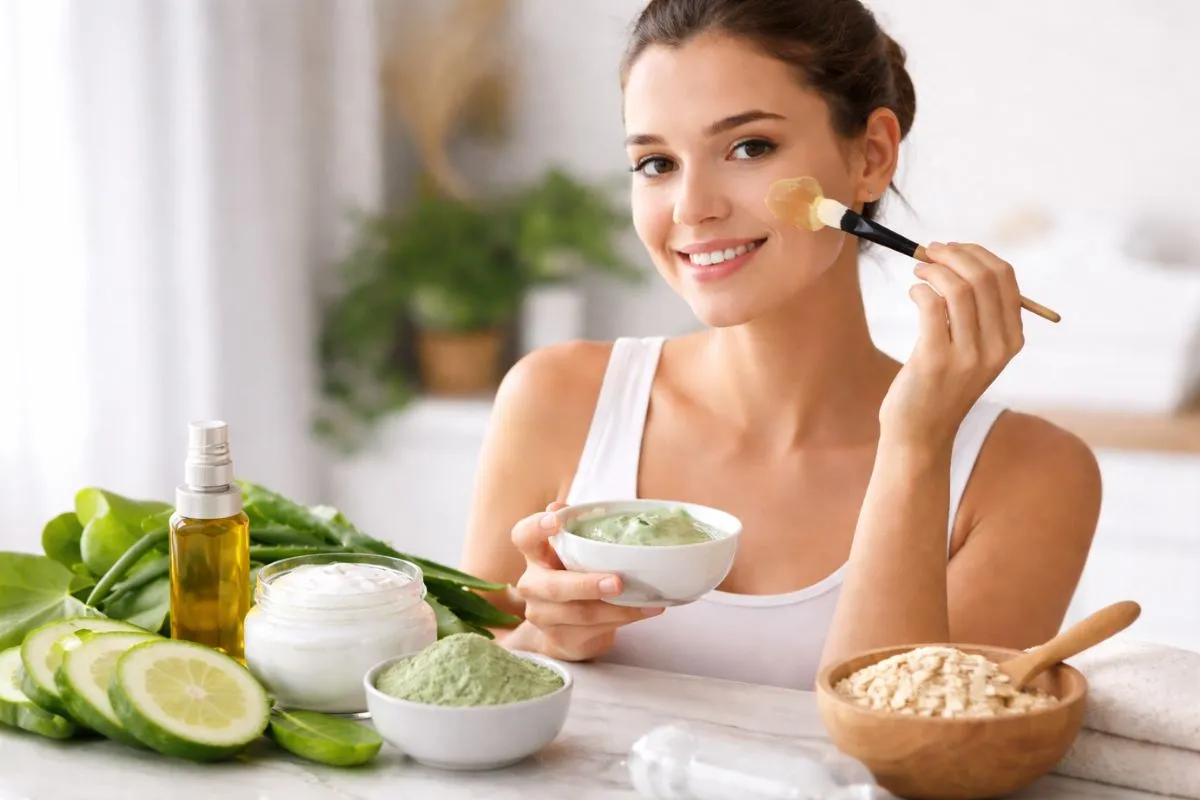
You’ve probably seen it everywhere mixing lemon, honey, coffee, or turmeric in your kitchen and turning it into a face mask. It feels natural, affordable, and honestly… kind of satisfying. But here’s the real question: is your skincare product safe when it’s made at home? The idea of self made skin care has exploded because people want control over what they put on their skin. That instinct isn’t wrong but it’s not the full story either.
What if the same ingredients that look harmless in your kitchen are quietly damaging your skin barrier? What if your homemade skincare routine is doing more harm than good—and you don’t even realize it yet? That’s where things get interesting. Because the truth about natural skincare practices isn’t as simple as “natural = safe.” Let’s break it down properly.
Why DIY Skincare Feels So Right (But Isn’t Always Safe)
There’s a reason self made skin care is trending:
- It feels pure
- It feels chemical-free
- It feels budget-friendly
- It feels customizable
And honestly, that emotional connection matters. You’re trying to take care of your skin in a mindful way.
But here’s the quiet truth:
Skin is not like food.
It doesn’t process ingredients the same way your body does.
A skincare product safe formula isn’t just about ingredients, it’s about balance, stability, and precision. Most homemade skincare recipes skip those completely.
Are DIY Skincare Recipes Really Safe?
Short answer:
Sometimes… but often not.
Some self made skin care ideas can be low-risk if used immediately and carefully. But many viral recipes ignore critical factors like:
- pH balance
- ingredient concentration
- contamination risk
- skin sensitivity
That’s why experts don’t automatically consider homemade skincare safe.
The 5 Biggest Risks of Homemade Skincare
1. pH Imbalance: The Silent Skin Destroyer
Your skin’s natural pH is around 4.5–5.5.
Now compare that with common DIY ingredients:
- Lemon → extremely acidic
- Baking soda → highly alkaline
Using these in ingredients can disrupt your skin barrier, causing:
- dryness
- irritation
- breakouts
- long-term sensitivity
This is one of the biggest reasons why many DIY recipes are not safe.
2. Bacterial Contamination (Yes, Even in Natural Ingredients)
Most home products contain water or fresh ingredients.
Without preservatives:
- bacteria grow
- mold forms
- product spoils quickly
That means your “natural mask” can become a breeding ground for microbes.
A truly safe formula always considers preservation even natural brands do.
3. Wrong Ingredient Concentration
In self made skin care, measurements are often:
- “1 spoon”
- “a few drops”
- “just mix until it looks right”
That’s risky.
Even natural ingredients can be too strong in high amounts. This makes many recipes unpredictable and unsafe.
4. Skin Barrier Damage
Your skin barrier is your protection layer.
Harsh DIY ingredients like:
- sugar scrubs
- salt
- baking soda
can create micro-tears or strip your skin.
Over time, this leads to:
- redness
- sensitivity
- acne
- uneven texture
Not exactly what you were aiming for, right?
5. Delayed Side Effects
Here’s the tricky part:
Some self made skin care damage doesn’t show immediately.
You might feel:
“Wow, my skin looks glowing!”
But after weeks:
- irritation
- pigmentation
- breakouts
This delayed reaction is why many DIY routines are not considered safe.
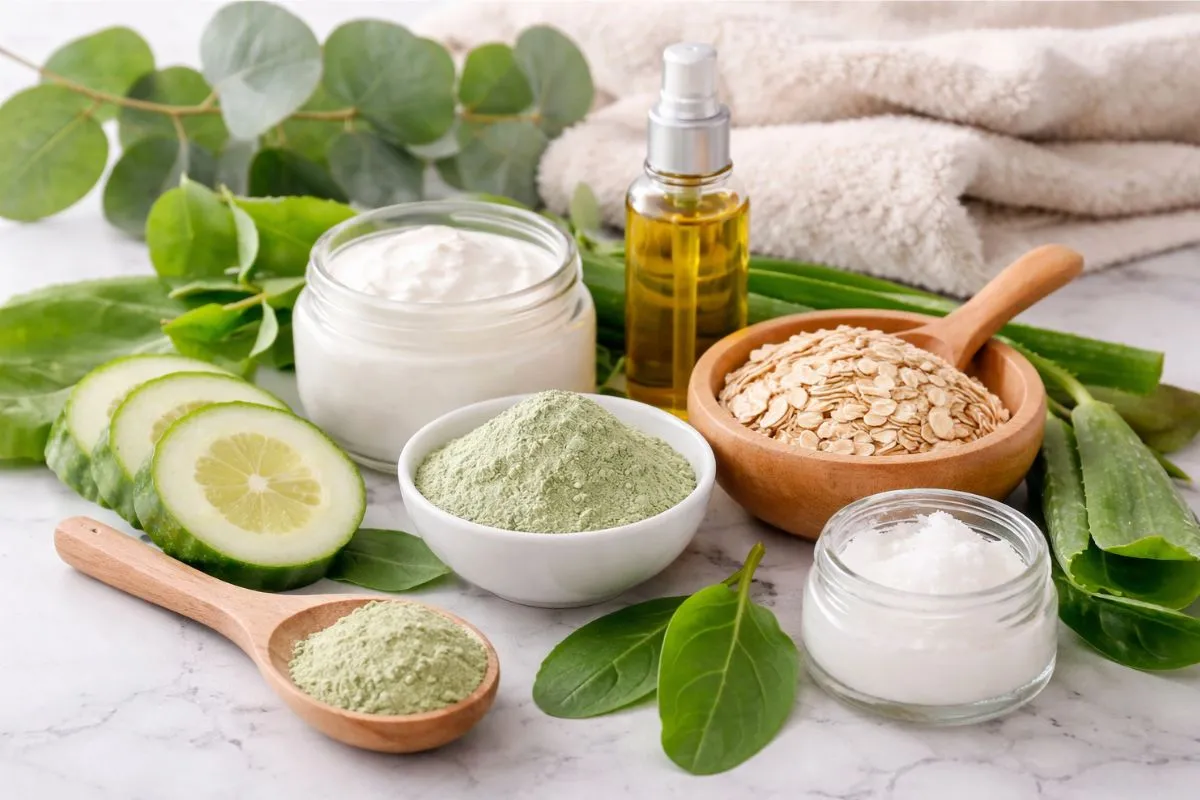
Common DIY Ingredients That Are NOT Safe for Skincare
Let’s call out the popular ones:
Lemon Juice
Lemon juice is highly acidic, which can disturb your skin’s natural pH and weaken its protective barrier. While it may feel like it’s brightening your skin at first, over time it can lead to irritation, dryness, and even chemical burns especially on sensitive skin. It also makes your skin more sensitive to sunlight, increasing the risk of pigmentation and damage. The side effects of lemon and honey on face often include redness, stinging, and long-term sensitivity. That’s why it’s rarely considered a skincare product safe in DIY use.
Baking Soda
Baking soda is extremely alkaline, which is the opposite of your skin’s natural slightly acidic state. Using it in skincare can strip away your skin’s natural oils and damage the barrier that protects against bacteria and moisture loss. This often leads to dryness, irritation, and even breakouts over time. While it may feel like it cleans deeply, it actually disrupts skin balance. Because of this, it is not a safe ingredient for regular use.
Sugar Scrubs
Sugar scrubs are commonly used in self made skin care, but they can be too rough for delicate facial skin. The sharp edges of sugar particles create tiny micro-tears that aren’t always visible but can damage the skin over time. This can lead to redness, sensitivity, and uneven texture. Instead of gently exfoliating, they often over-exfoliate and weaken the skin barrier. That’s why they are not considered safe for facial use.
Toothpaste
Toothpaste is designed for teeth, not skin, yet it’s often used in DIY treatments for acne. It contains ingredients like menthol, fluoride, and detergents that can irritate and dry out the skin. While it might temporarily reduce a pimple’s appearance, it often causes redness, peeling, and long-term irritation. Using toothpaste in homemade skincare can do more harm than good. It’s not a safe solution for treating skin concerns.
Vinegar
Vinegar, especially apple cider vinegar, is often promoted in self made skincare routines, but it’s very strong and acidic. If not diluted properly, it can cause burns, irritation, and damage to the skin barrier. Even when diluted, it may still be too harsh for sensitive skin types. Frequent use can lead to dryness and increased sensitivity. Because of its intensity, vinegar is not always an option for DIY skincare.
Is All Homemade Skincare Bad? (Let’s Be Fair Here)
Not really.
Some self made skin care can be relatively safe IF:
- used immediately
- made with gentle ingredients
- not stored
- patch tested
For example:
But even then:
results vary
reactions differ
So while some homemade skincare can be mild, it still doesn’t guarantee a skincare product safe experience for all.
Why Formulated Skincare Is More Skincare Product Safe
This is where the difference becomes clear.
A professionally made product (like those from Hudira) focuses on:
Controlled pH
A controlled pH means the product is carefully adjusted to match your skin’s natural level, helping it stay calm and balanced. This prevents irritation, dryness, and barrier damage. That’s why it’s a key factor in making a skincare product safe.
Measured Ingredients
In formulated skincare, every ingredient is added in precise amounts. This ensures effectiveness without causing irritation. It keeps the product reliable and safe for regular use.
Safe Preservation
Proper preservation stops bacteria, mold, and fungi from growing inside the product. Unlike self made skin care, which can spoil quickly, preserved formulas stay clean and safe. This is essential for maintaining a truly safe experience.
Stability Testing
Stability testing ensures the product stays effective and safe over time, even with temperature or storage changes. It prevents ingredients from breaking down or reacting negatively.
Skin Compatibility
Formulated products are designed for different skin types, whether oily, dry, or sensitive. This reduces the risk of irritation compared to random homemade skincare mixes. It helps ensure the product works gently and remains a skincare product safe for your skin.
DIY vs Formulated Skincare: The Real Difference
| DIY Skincare | Formulated Skincare |
| No preservation | Safe preservation |
| Random pH | Balanced pH |
| Unstable | Tested stability |
| Short shelf life | Controlled shelf life |
| Risk of contamination | Hygienic production |
This is why many dermatologists don’t consider homemade skincare reliable for long-term use.
How to Make DIY Skincare Safer
If you still want to try self made skin care, keep it smart:
- Always patch test
- Avoid strong ingredients (lemon, baking soda)
- Use simple recipes only
- Don’t store mixtures
- Keep tools clean
- Avoid mixing too many ingredients
These steps don’t make DIY perfect but they reduce risks.
A Smarter Approach to Natural Skincare
Instead of feeling stuck between using random kitchen ingredients or switching to harsh, chemical-heavy products, there’s actually a more balanced option. You don’t have to choose extremes. There’s a middle path where you can still enjoy natural, herbal skincare but in a way that is properly formulated.
This is where brands like Hudira come in. They take natural and herbal ingredients, but instead of mixing them randomly, they carefully balance them with the right pH, proper measurements, and safe preservation. This means you still get the benefits of nature, but without the risks like irritation, contamination, or instability that often come with DIY products.
In simple words, it’s about upgrading from guesswork to care that is thoughtful, tested, and truly safe, so your skin gets results without unnecessary damage.
Final Verdict:
Some DIY skincare recipes can feel gentle and beneficial, but not all of them are truly safe because results depend on ingredients, balance, and how they’re used. Homemade skincare can sometimes work well for simple, fresh applications, yet they may also carry risks if factors like pH, cleanliness, and ingredient strength aren’t considered. That’s why it’s important to approach DIY skincare with awareness, understanding your skin type, choosing mild ingredients, and using them thoughtfully.
Call to Action
If you love natural skincare but want something truly safe, it might be time to step beyond kitchen experiments. Explore Hudira’s herbal skincare range where nature meets safety, balance, and real results your skin can trust.
FAQs
Q. How to make skincare products at home safely?
To make homemade skincare safer, use simple ingredients, avoid strong acids, patch tests, and never store products for long periods.
Q. Are homemade skincare products safe for daily use?
Most self made skin care products are not ideal for daily use because they lack stability and preservation, making them less safe
Q. What are the risks of DIY skincare?
Risks include irritation, pH imbalance, bacterial contamination, and long-term skin damage.
Q. Can DIY skincare damage the skin barrier?
Yes, harsh ingredients like lemon or scrubs in homemade skincare can weaken the skin barrier over time.
Q. How to make skincare products that are truly safe?
To ensure a skincare product safe result, formulations must be balanced, preserved, and tested, something difficult to achieve with DIY methods.

2 comments
Pingback:
Why Are Ancient Skincare Secrets Still Best for Glowing Skin?Pingback:
11 Effective Home Remedies for Skin Allergies Relief