
No products in the cart.
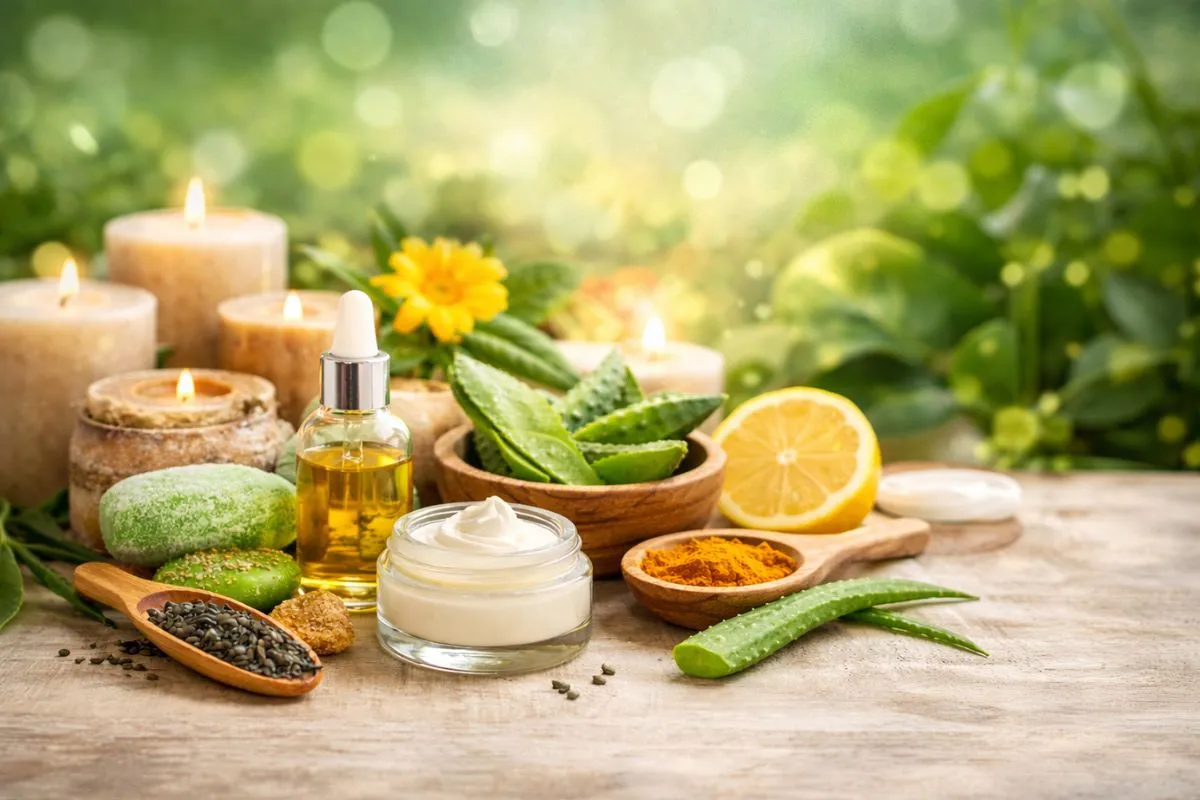
Healthy skin rarely comes from complicated routines or expensive products alone. Dermatologists consistently emphasize that the foundation of beautiful skin lies in simple habits, natural ingredients, and consistency. When you follow dermatologist suggested skin care, your routine becomes more balanced, gentle, and effective for long-term skin health. Instead of chasing quick fixes, dermatologists recommend nurturing your skin barrier, choosing mild ingredients, and practicing daily habits that protect your skin naturally.
But here’s the part many people miss. Even when using natural products, small mistakes in your routine can prevent your skin from truly glowing. Many dermatologists reveal that only a handful of simple skin treatment tips can dramatically improve your skin when applied correctly. Curious about what professionals actually recommend? Below are 20 natural skincare tips dermatologists love that can transform your routine and help you achieve healthier, glowing skin naturally.

1. Always Start with Gentle Cleansing
A gentle cleanser is the foundation of any dermatologist suggested skin care routine. Dermatologists emphasize removing dirt, oil, and pollution without damaging the skin barrier. Harsh soaps can strip natural oils and lead to dryness, irritation, or breakouts. Choosing a mild, natural cleanser helps maintain the skin’s natural balance while keeping pores clear.
One of the most common skin treatment tips dermatologists share is cleansing twice daily with lukewarm water. Ingredients like aloe vera, chamomile, and cucumber extracts can soothe the skin while removing impurities. Consistent cleansing helps prevent clogged pores and prepares the skin to absorb moisturizers and treatments more effectively.
2. Never Skip Sunscreen
Sun protection is considered the most important step in dermatologist suggested skin care routines. Ultraviolet rays from the sun are one of the main causes of premature aging, dark spots, and skin damage. Even on cloudy days, harmful UV rays can penetrate the skin and accelerate aging.
Dermatologists recommend applying sunscreen with a least SPF 30 every morning as part of daily skin treatment tips. Sunscreen helps prevent wrinkles, pigmentation, and sunburn while maintaining overall skin health. Reapplying sunscreen throughout the day ensures consistent protection, especially if you spend time outdoors.
3. Moisturize Daily to Protect the Skin Barrier
Moisturizing is essential in maintaining soft, healthy skin. A balanced dermatologist suggested skin care routine always includes a nourishing moisturizer to prevent dryness and support the skin barrier. Hydrated skin appears smoother, more radiant, and less prone to irritation.
Among important skin treatment tips, dermatologists suggest applying moisturizer immediately after cleansing to lock in hydration. Natural ingredients such as shea butter, aloe vera, and jojoba oil help replenish lost moisture. With consistent use, moisturizers improve skin elasticity and promote a healthy glow.
4. Choose Natural Antioxidants
Antioxidants play an important role in protecting the skin from environmental stress such as pollution, UV exposure, and daily oxidative damage. Dermatologists often recommend adding antioxidant-rich ingredients like vitamin C, green tea, turmeric, and rosehip oil to a skin care routine. These natural ingredients help neutralize harmful free radicals that contribute to dullness and uneven tone.
Another reason dermatologists highlight antioxidants among essential skin treatments is their ability to strengthen the skin barrier and promote natural repair. Vitamin C helps boost collagen production while green tea calms inflammation. Regular use of antioxidants can improve skin clarity and maintain a youthful appearance.
5. Avoid Over-Exfoliation
Exfoliation removes dead skin cells and improves skin texture, but excessive exfoliation can damage the skin barrier. Dermatologists recommend gentle exfoliation as part of a balanced skin care. Over-exfoliating can cause redness, sensitivity, and dryness.
One of the most valuable tips is exfoliating only once or twice per week using mild natural ingredients like oatmeal or fruit enzymes. This allows the skin to renew itself without irritation. Gentle exfoliation helps brighten the complexion while maintaining healthy skin.
6. Keep Your Routine Simple
Many people believe more skincare products lead to better results, but dermatologists often advise the opposite. A simple dermatologist suggested skin care routine is usually more effective and reduces the risk of irritation. Minimal routines help the skin maintain its natural balance.
Among essential skin treatment tips, dermatologists suggest focusing on core steps: cleansing, moisturizing, and sun protection. When necessary, targeted treatments can be added gradually. Keeping routines simple allows the skin to respond better to each product.
7. Hydrate Your Skin from Within
Proper hydration supports healthy skin from the inside out. Dermatologists often emphasize that drinking enough water helps maintain skin elasticity and prevents dryness. Hydration is a key element of daily routine.
One of the easiest skin treatment tips is ensuring daily water intake while consuming hydrating foods such as fruits and vegetables. When the body is well hydrated, the skin appears plumper and more radiant. Adequate hydration also supports the skin’s natural detoxification processes.
8. Patch Test New Products
Trying new skincare products without testing them can sometimes lead to irritation or allergic reactions. Dermatologists recommend performing a patch test before adding any product to your routine.
Among safe skin treatments, applying a small amount of product to a discreet area helps determine whether the skin reacts negatively. This precaution prevents potential breakouts, redness, or sensitivity. Patch testing ensures a safer skincare experience.
9. Use Aloe Vera for Soothing
Aloe vera is widely known for its soothing and healing properties. Dermatologists frequently include aloe in skin care routines because it helps calm irritated or inflamed skin. Its cooling effect makes it particularly useful after sun exposure.
Aloe vera can also help reduce redness and provide hydration without clogging pores. Regular use may improve skin texture and support healing for minor breakouts. Its gentle nature makes it suitable for most skin types.
10. Maintain a Healthy Skin Barrier
The skin barrier protects the body from environmental pollutants and bacteria. Maintaining this barrier is one of the main goals of skin care. When the barrier is damaged, the skin becomes dry, irritated, and more prone to breakouts.
Dermatologists include barrier repair among important skin treatment tips because it supports long-term skin health. Using gentle cleansers, hydrating moisturizers, and nourishing oils helps strengthen the barrier. Healthy skin barriers keep moisture in and harmful irritants out.
11. Change Pillowcases Regularly
Dermatologists often include hygiene habits in a daily routine because bacteria and oils easily accumulate on fabrics that touch your face. Pillowcases collect sweat, dead skin cells, hair oils, and product residue over time. When your skin stays in contact with these impurities overnight, it can contribute to clogged pores and breakouts.
One of the simplest tips dermatologists recommend is changing your pillowcase at least once or twice a week. Clean fabrics reduce bacteria exposure and help keep the skin fresh while you sleep. Using soft, breathable fabrics like cotton or silk can also minimize irritation and friction, helping your skin maintain a smoother and healthier appearance.
12. Incorporate Natural Face Masks
Face masks provide deep nourishment and targeted treatment for various skin concerns. Dermatologists often suggest including masks occasionally in a routine for extra hydration or purification.
Natural skin treatment tips include using ingredients like honey, clay, or turmeric masks to cleanse pores and brighten the skin. These masks remove impurities while delivering nutrients to the skin. Regular use can improve overall skin appearance.
Or you can use Hudira herbal face masks which have been made of all natural ingredients.
13. Protect Skin from Pollution
Environmental pollution can accelerate skin aging and cause irritation. Dermatologists recommend protecting skincare to minimize pollution damage.
However, cleansing thoroughly and using antioxidant-rich products. Ingredients such as vitamin C and green tea help defend the skin against pollutants. Consistent protection keeps skin looking healthy and vibrant.
14. Follow a Consistent Routine
Consistency is the key to achieving lasting skincare results. Dermatologists often say that following a steady routine produces better outcomes than frequently changing products.
Sticking to a routine allows your skin to adapt and respond effectively to treatments. Consistency helps maintain hydration, clarity, and skin balance. Over time, this approach improves overall skin health.
15. Avoid Picking or Touching Your Face
Touching your face frequently transfers bacteria and oils from your hands to your skin. Dermatologists consider this one of the most common causes of breakouts.
Following this skin treatment tips advice can significantly reduce acne. Avoiding face touching prevents irritation and inflammation. Clean hands help maintain healthier skin.
16. Get Enough Sleep
Sleep plays a crucial role in skin repair and regeneration. Dermatologists often emphasize sleep as part of skin care because the body heals and renews itself overnight.
One of the most overlooked skin treatment tips is maintaining regular sleep patterns. Adequate rest supports collagen production and reduces under-eye puffiness. Well-rested skin appears brighter and healthier.
17. Eat Skin-Friendly Foods
Nutrition directly influences skin health. Dermatologists recommend consuming foods rich in vitamins, antioxidants, and healthy fats as part of skin care habits.
These skin treatment tips include eating fruits, vegetables, nuts, and omega-3 rich foods. Proper nutrition supports collagen production and reduces inflammation. A balanced diet promotes naturally glowing skin.
18. Use Natural Oils Carefully
Plant-based oils such as jojoba oil, argan oil, and rosehip oil can nourish and hydrate the skin. Dermatologist suggested skin care routines that include these oils because they mimic natural skin oils.
Using oils in moderation prevents clogged pores while delivering essential nutrients. Natural oils can improve skin softness and elasticity. Selecting the right oil for your skin type is important.
19. Clean Makeup Tools Regularly
Makeup brushes and sponges collect bacteria, oil, and dirt over time. Dermatologists recommend cleaning them frequently as part of proper skin care practices.
One of the simplest tips is washing tools weekly using mild soap. Clean brushes reduce the risk of breakouts and skin infections. Maintaining hygiene improves overall skincare results.
20. Consult a Dermatologist for Persistent Skin Issues
While natural skincare helps maintain healthy skin, some conditions require professional attention. Dermatologists play an important role in diagnosing and treating persistent skin problems.
If symptoms continue despite following skin care, seeking medical advice is essential. Dermatologists can provide personalized skin treatment tips based on your skin type and condition. Professional guidance ensures safe and effective treatment.
Building a Natural Skincare Routine
A balanced dermatologist suggested skin care routine typically includes:
Morning Routine:
• gentle cleanser
• antioxidant serum
• moisturizer
• sunscreen
Night Routine:
• gentle cleanser
• natural treatment product
• nourishing moisturizer
Following these skin care tips daily ensures your skin remains protected, hydrated, and radiant.
Why Dermatologists Support Natural Skincare
Many dermatologists now recognize that natural ingredients can support healthy skin when used responsibly.
Modern dermatologist skincare tips emphasize gentle formulas, minimal irritation, and barrier protection. When combined with safe natural ingredients, these practices create sustainable skincare routines recommended by dermatologists that benefit both your skin and the environment.
Conclusion
Achieving glowing skin does not require complicated routines or harsh treatments. By following dermatologist suggested skin care, you can maintain healthy, radiant skin through simple and natural habits. From gentle cleansing and sun protection to nourishing natural ingredients, these skin treatment tips help protect your skin barrier and support long-term skin health.
If you’re ready to elevate your routine, explore Hudira’s herbal skincare products, designed with natural ingredients that align with dermatologist-inspired skincare practices. Discover how plant-powered skincare can help you achieve healthy, glowing skin naturally.
FAQs
Q. What dermatologist suggested skin care?
Dermatologist suggested skin care refers to skincare routines and habits recommended by dermatology experts to maintain healthy skin, protect the skin barrier, and prevent common skin issues.
Q. Are natural skincare products recommended by dermatologists?
Many dermatologists support natural skincare products when they contain gentle, non-irritating ingredients and are used correctly within a balanced skincare routine.
Q. What are the most important skin treatment tips?
The most important skin treatment tips include cleansing gently, moisturizing daily, wearing sunscreen, staying hydrated, and maintaining a consistent skincare routine.
Q. How often should I follow my skincare routine?
Dermatologists recommend following skin care tips daily, including morning and night routines to keep the skin clean, hydrated, and protected.
Q. When should I see a dermatologist for skin problems?
You should consult a dermatologist for skin care routine advice if you experience persistent acne, unusual rashes, severe dryness, or pigmentation issues.

One comment
Pingback:
5 Amazing Green Tea Mask Recipes for Glowing Skin