
No products in the cart.
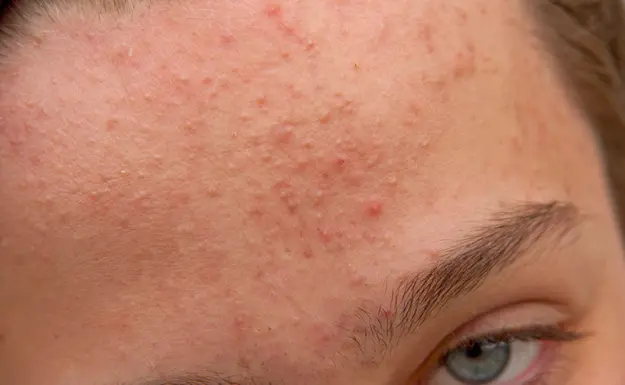
Skin issues can be frustrating but fungal acne feels especially confusing. You try acne products, cut oils, exfoliate more… yet those tiny bumps refuse to budge. If your skin feels itchy, irritated, and stubbornly textured, there’s a high chance you’re not dealing with typical acne at all.
Fungal acne treatment is often misunderstood, misdiagnosed, and mistreated. That’s why so many people struggle for months or even years without relief. But here’s the good news: once you understand what fungal acne really is, treating it becomes clear, targeted, and effective.
Now here’s the twist most people don’t expect
What if your acne isn’t caused by clogged pores but by yeast living on your skin?
What if the products you’ve trusted are actually feeding the problem?
And what if gentle, balanced care not harsh stripping is the real solution?
Let’s break it all down science, solutions, and safe fungal acne treatment at home so you can finally feel confident in your skin again.
What Is Fungal Acne? (And Why It’s Not “Just Acne”)
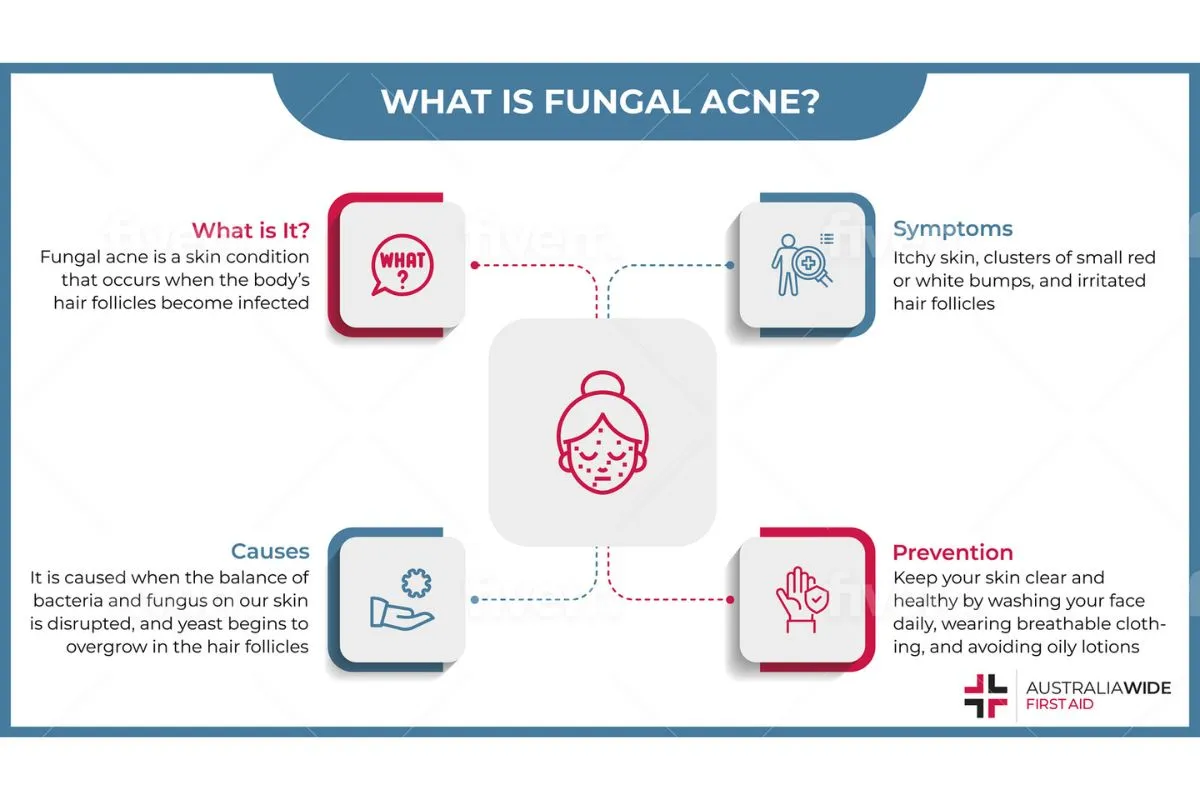
Despite its name, fungal acne isn’t acne at all. Medically, it’s known as Malassezia folliculitis, a condition caused by an overgrowth of yeast that naturally lives on the skin.
This yeast enters hair follicles and multiplies, leading to inflammation, itching, and clusters of tiny bumps. Because it looks similar to acne, it’s often mistaken for pimples but the treatment is completely different.
Key signs of fungus face acne:
- Small, uniform bumps (not blackheads or whiteheads)
- Often itchy or irritated
- Appears in clusters
- Common on the face, forehead, chest, back, and shoulders
- Worsens with sweat, heat, or oily products
If your breakouts don’t respond to regular acne treatments, that’s a strong signal you need a fungal acne treatment approach instead.
Fungal Acne Causes: Why It Happens in the First Place
Understanding fungal acne causes helps you stop the cycle, not just treat symptoms.
Common triggers include:
- Hot, humid climates
- Excessive sweating
- Tight clothing or occlusive skincare
- Antibiotic use (kills good bacteria, allowing yeast to overgrow)
- Heavy oils and esters in skincare
- Compromised skin barrier
Fungal acne on the face and body thrives when the skin environment becomes unbalanced. That’s why gentle, supportive care matters just as much as treatment.
Fungal Acne on Face vs Regular Acne: How to Tell the Difference
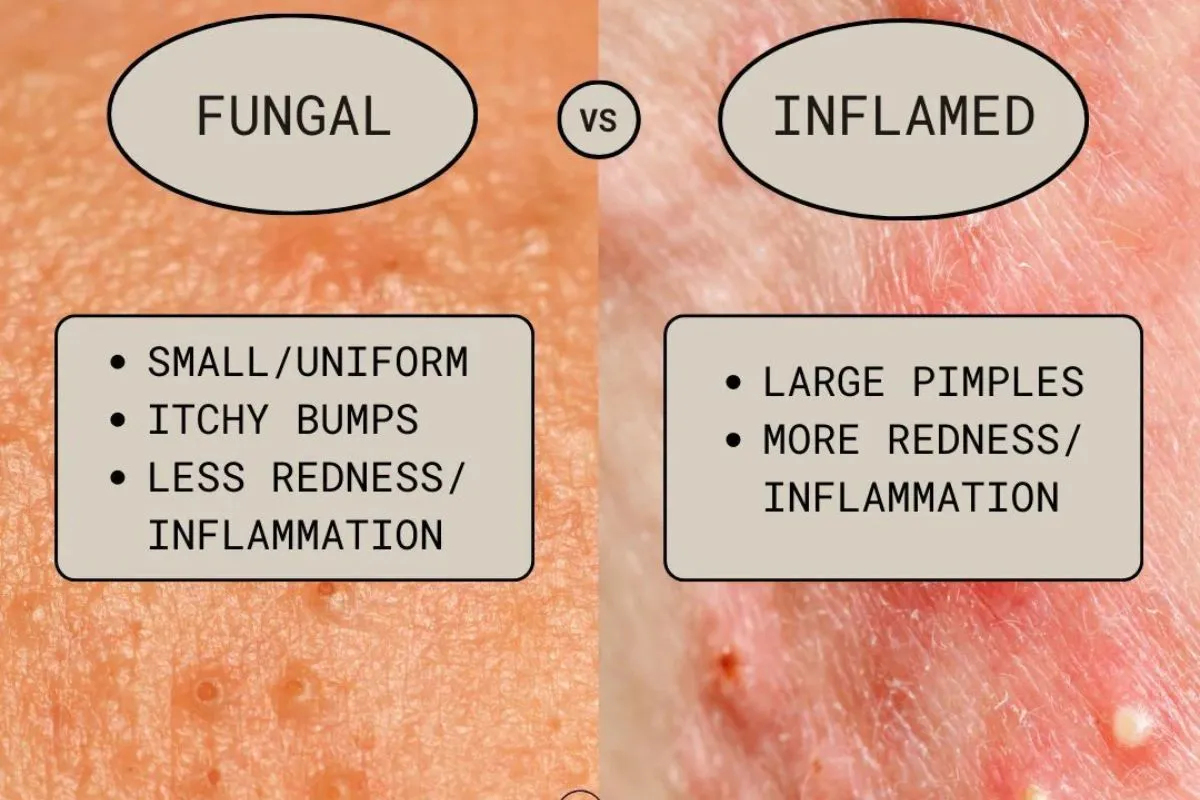
One of the biggest mistakes people make is treating fungal acne like bacterial acne.
| Regular Acne | Fungal Acne |
| Varies in size | Uniform bumps |
| Usually painful | Often itchy |
| Blackheads present | No blackheads |
| Responds to acne meds | Needs antifungal care |
Fungal acne on forehead is especially common due to sweat, hair products, and occlusion—making targeted care essential.
Fungal Acne Treatment: The Gold-Standard Approach
An effective fungal acne treatment has two goals:
- Reduce yeast overgrowth
- Restore skin balance without irritation
1. Antifungal Cleansing
Dermatologists often recommend antifungal washes as the first step.
These help:
- Reduce yeast levels
- Calm inflammation
- Prevent recurrence
2. Antifungal Creams for Fungal Acne
In some cases, antifungal creams for fungal acne (like ketoconazole or clotrimazole) may be advised short-term especially for stubborn areas.
These should be used cautiously and not long-term without guidance.
3. Barrier Repair & Soothing Care
Harsh treatments alone won’t heal fungal acne. Your skin barrier needs support to prevent flare-ups.
That’s where fungal acne treatment at home with gentle, herbal-inspired care plays a powerful role.
Fungal Acne Treatment at Home: Safe & Natural Support
You can support healing with mindful home care without feeding the fungus or irritating your skin.
Best practices for fungal acne treatment at home:
- Use lightweight, non-occlusive products
- Avoid heavy oils and fermented ingredients
- Cleanse after sweating
- Keep routines simple and consistent
Home Remedies for Fungal Acne: What Helps (and What Doesn’t)
The internet is full of DIY tips but not all home remedies for fungal acne are safe.
Gentle, supportive options:
- Diluted tea tree oil (spot use only)
- Calming herbal masks (non-oily, non-fermented)
- Aloe-based hydration (light, soothing)
What to avoid:
- Apple cider vinegar
- Garlic or lemon
- Undiluted essential oils
Smart home remedies for fungal acne should support treatment, not replace medical logic.
Fungal Acne on Face: A Simple Daily Routine
Here’s a safe, balanced routine for fungal acne on face:
Morning
- Gentle cleanser
- Lightweight hydration
- Breathable sun protection
Evening
- Cleanse thoroughly
- Antifungal wash (as advised)
- Soothing, calming care
Consistency matters more than complexity.
Can Fungal Acne Come Back?
Yes—and that’s normal.
Fungal acne tends to recur if triggers return. That’s why maintenance, climate awareness, and barrier support are essential parts of long-term fungal acne treatment.
Why Gentle Herbal Care Matters (Hudira’s Philosophy)
At Hudira, we believe healing skin doesn’t mean punishing it.
Our herbal masks are designed to:
- Calm stressed skin
- Support barrier recovery
- Complement fungal acne treatment (not interfere with it)
If your skin feels irritated, tight, or overwhelmed during treatment, Hudira’s gentle herbal masks can help restore comfort and confidence naturally.
Explore Hudira’s herbal masks and give your skin the calm it deserves.
FAQs
Q. What causes fungal acne?
Fungal acne causes include humidity, sweat, antibiotics, heavy skincare products, and an imbalanced skin barrier.
Q. How to treat fungal acne on face naturally?
You can support treatment with gentle cleansing, lightweight hydration, and calming herbal care that doesn’t feed yeast.
Q. Is fungal acne contagious?
No. Fungal acne is not contagious—it’s caused by yeast already present on your skin.
Q. How to get rid of fungal acne?
Use targeted antifungal care, maintain skin hygiene, avoid triggers, and support your skin barrier consistently.
Q. Does salicylic acid help with fungal acne?
Salicylic acid may help with exfoliation but does not treat the fungal cause. It should be used cautiously.
Q. What does fungal acne look like?
It appears as small, uniform, itchy bumps often on the face, forehead, chest, or back.

Add comment