
No products in the cart.
When it comes to caring for sensitive skin, choosing the right natural ingredients for skin can feel like navigating a minefield. One wrong product, and you’re dealing with redness, irritation, or a burning sensation that lasts for days. That’s why understanding the best ingredients for sensitive skin isn’t just helpful—it’s essential. If you’ve ever felt overwhelmed by ingredient labels or skincare buzzwords, you’re not alone. This guide is here to simplify things for you, with clear, research-backed insights into the gentlest and most effective ingredients nature has to offer.
But here’s the twist: many popular products marketed as “safe” or “natural” for sensitive skin might actually contain hidden irritants. Yes, even products labeled “hypoallergenic.” Intrigued? You should be. Ahead, we’ll uncover the truth behind skincare labels, dive deep into scientifically supported natural skincare for sensitive skin, and highlight powerful yet soothing sensitive skin that can transform your skincare routine without causing chaos on your skin. Let’s embark on this transformative journey to rediscover what truly works for sensitive skin.
Understanding Sensitive Skin and Why Ingredients Matter
Sensitive skin isn’t just a buzzword. It’s a real condition characterized by heightened reactions to physical, chemical, or environmental triggers. Those with sensitive skin often experience redness, burning, itching, or dryness after using certain products.
What causes it? It could be genetic, due to an impaired skin barrier, or caused by overuse of harsh products. That’s why sensitive skin ingredients must be chosen with care. The right ingredients won’t just prevent irritation—they’ll soothe, hydrate, and strengthen your skin’s natural defenses.
The Best Ingredients for Sensitive Skin: Nature’s Soothing Superstars
Here are the top-performing, dermatologist-loved, and time-tested natural sensitive skin ingredients you should look for in your products:
1. Aloe Vera
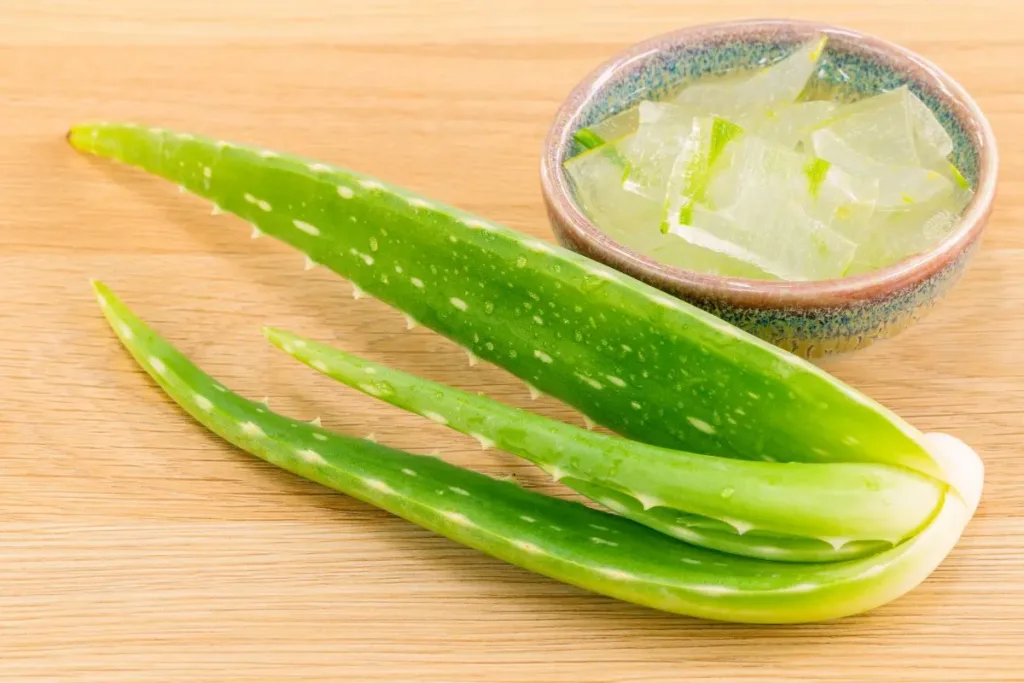
Aloe Vera is one of the most time-honored and trusted sensitive skin ingredients. Extracted from the fleshy leaves of the Aloe plant, it’s rich in a cocktail of over 75 active components including vitamins (A, C, E, and B12), minerals like zinc and magnesium, enzymes, and amino acids. These compounds work together to offer anti-inflammatory, antimicrobial, and skin-repairing properties.
For sensitive skin, Aloe Vera serves multiple functions—it delivers immediate relief from irritation and burning, speeds up the skin’s natural healing process, and delivers moisture without being greasy or heavy. Its soothing nature makes it especially useful for calming sunburns, allergic reactions, or post-treatment redness. Because it’s gentle and non-comedogenic, Aloe Vera is widely tolerated even by the most reactive skin types.
2. Colloidal Oatmeal
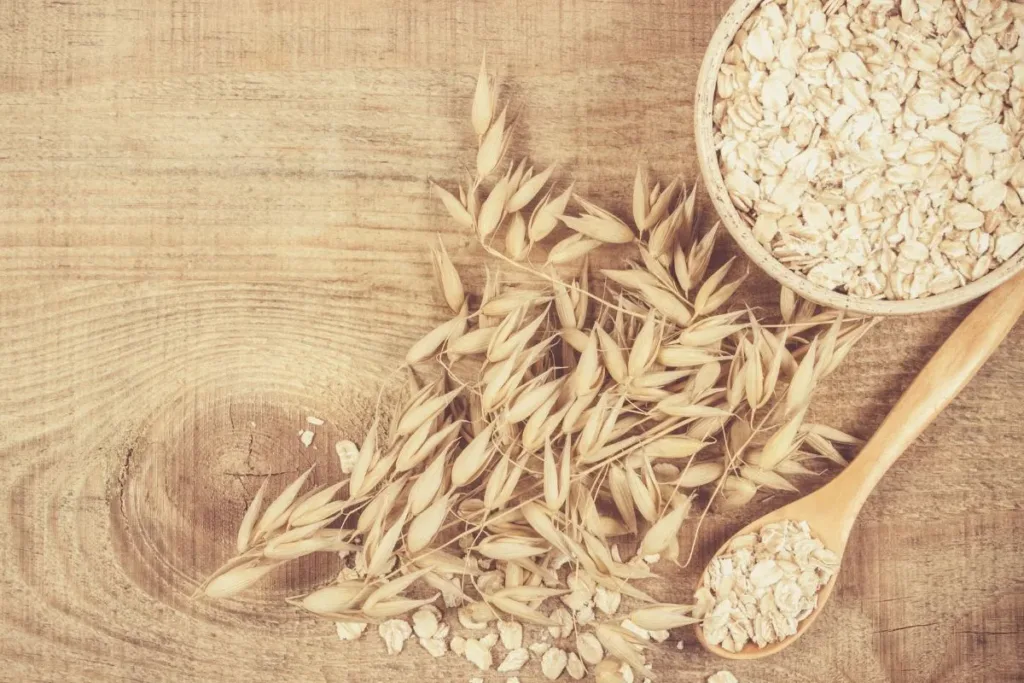
Colloidal oatmeal refers to finely ground whole oat kernels that are suspended in liquid to preserve their natural properties. It’s not just a breakfast staple—it’s a therapeutic skincare ingredient approved by the FDA for relieving dryness, irritation, and itchiness. This is due to its high content of beta-glucans, avenanthramides, and lipids, which have strong antioxidant, anti-inflammatory, and moisture-retaining capabilities.
Sensitive skin often suffers from an impaired barrier function, and colloidal oatmeal helps by forming a protective film on the skin’s surface. It prevents transepidermal water loss (TEWL), locks in hydration, and soothes conditions like eczema, psoriasis, and contact dermatitis. It’s especially recommended in calming cleansers and barrier creams, offering both immediate comfort and long-term barrier repair.
3. Niacinamide (Vitamin B3)
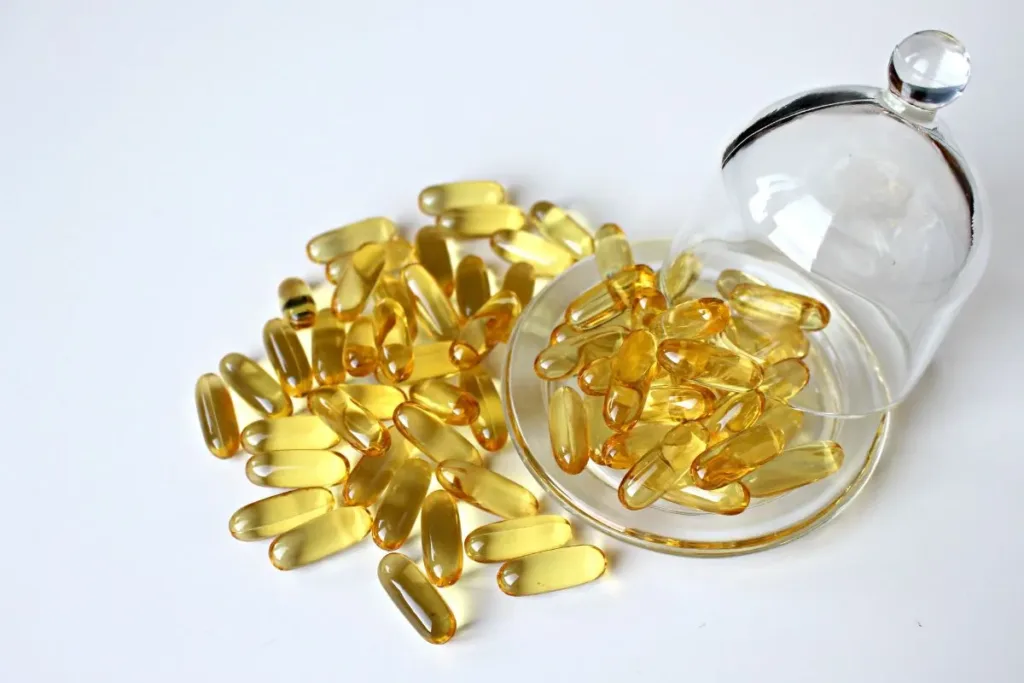
Niacinamide is a form of vitamin B3 and a standout multitasker in the skincare world. For sensitive skin, it brings a host of benefits with very low risk of irritation. At a concentration of 2-5%, niacinamide improves the integrity of the skin’s moisture barrier by increasing the production of ceramides—natural lipids that help retain water and protect the skin from external aggressors.
It also reduces redness, soothes inflammation, balances oil production, and minimizes the appearance of pores and fine lines. Unlike more aggressive activities, niacinamide supports sensitive skin without causing dryness or flaking. Clinical studies show that it’s safe for conditions like rosacea and acne-prone sensitive skin, making it a go-to ingredient for people looking to strengthen, clarify, and calm their skin simultaneously.
4. Chamomile Extract

Chamomile extract is derived from the flowers of the chamomile plant, which has long been used in traditional medicine for its calming properties. For sensitive skin, chamomile serves as a natural anti-inflammatory agent, helping to reduce redness, irritation, and puffiness. Rich in antioxidants like apigenin and flavonoids, it also helps protect the skin against environmental damage and oxidative stress. Chamomile is particularly beneficial for those dealing with rosacea, eczema, or post-inflammatory hyperpigmentation, thanks to its gentle yet effective soothing properties.
5. Centella Asiatica (Cica)
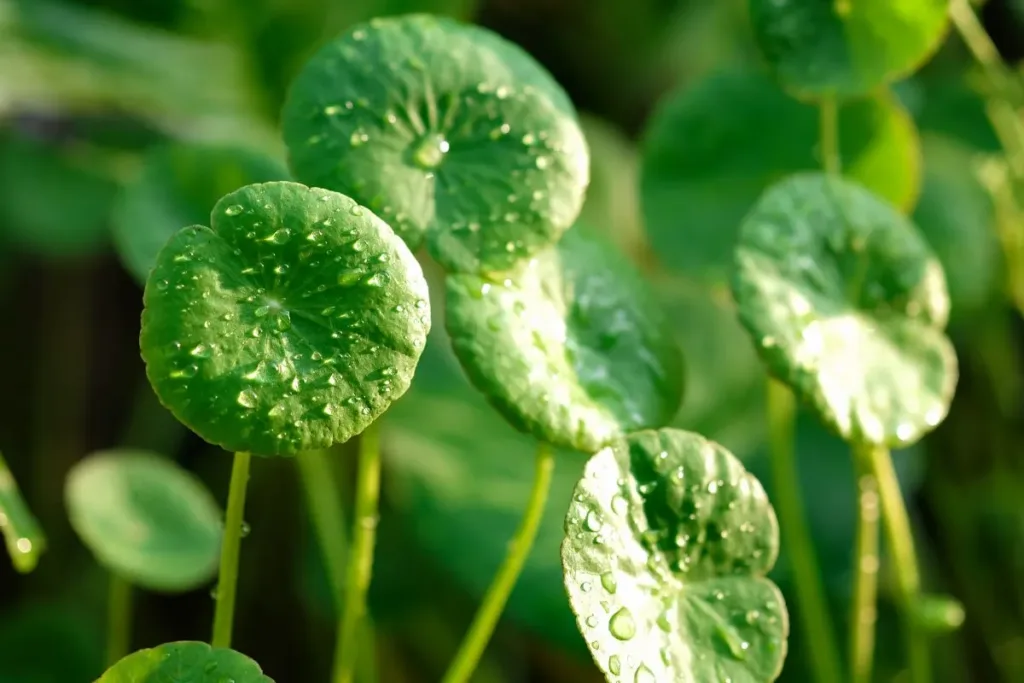
Centella Asiatica, commonly known as Cica or Gotu Kola, is a medicinal herb with powerful skin-repairing qualities. It contains active compounds such as asiaticoside and madecassoside, which stimulate collagen production and accelerate wound healing. This makes it ideal for calming inflamed or compromised skin barriers. Cica is widely loved in K-beauty routines for its ability to reduce visible signs of sensitivity—like redness and rough texture—while supporting long-term skin resilience. It also boosts hydration and enhances elasticity, making it perfect for daily sensitive skincare.
6. Squalane
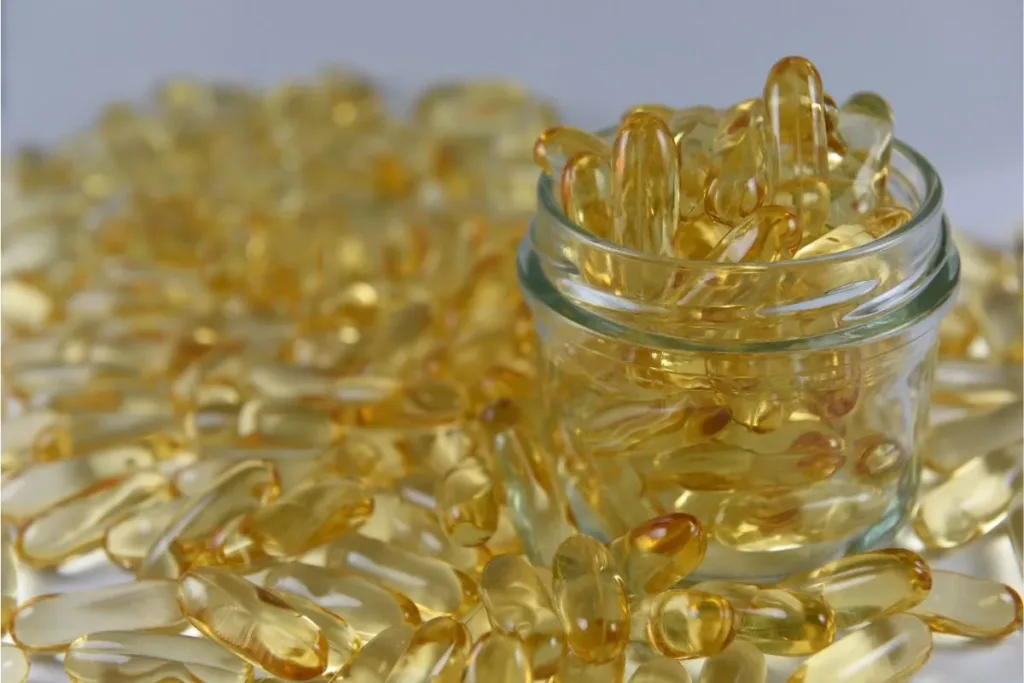
Squalane is a stable, saturated derivative of squalene, a lipid naturally found in human skin. It is highly biocompatible, meaning it integrates seamlessly into the skin without causing irritation or breakouts. Squalane acts as a moisture sealant, preventing water loss and improving skin suppleness. Its antioxidant properties protect against environmental stressors while its lightweight, non-greasy texture makes it ideal for sensitive and oily skin alike. Importantly, it helps soothe inflammation and enhances the skin’s barrier function without contributing to clogged pores.
7. Shea Butter
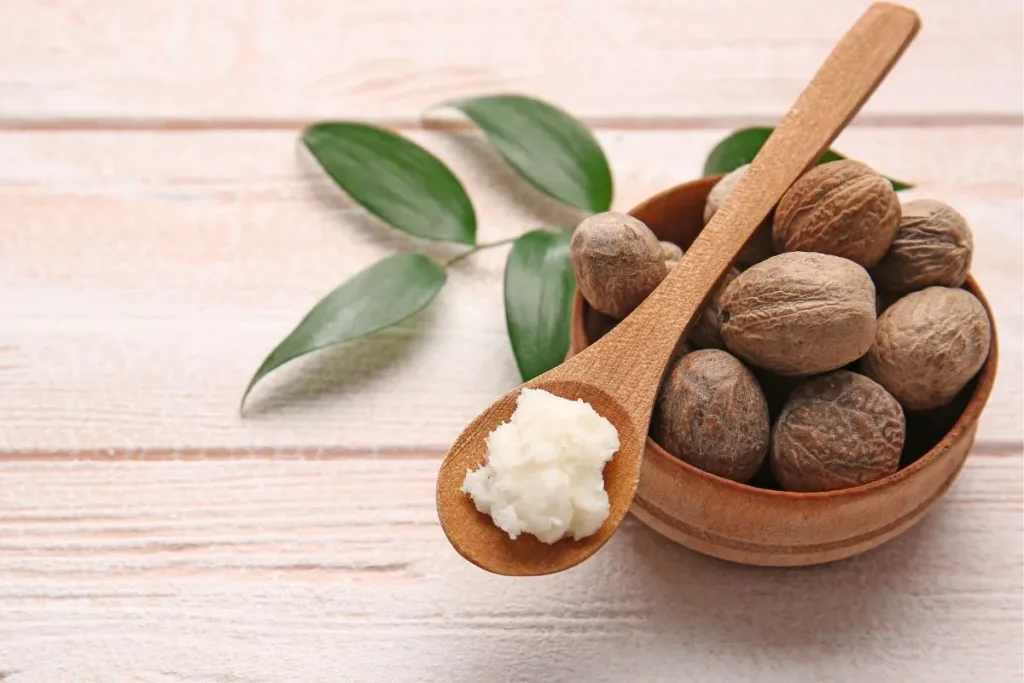
Shea butter is a rich, emollient fat extracted from the nuts of the shea tree. Bursting with essential fatty acids, vitamins A and E, and plant sterols, it delivers intense hydration and nourishment to even the most fragile skin. Shea butter forms a protective shield over the skin that helps lock in moisture and guard against harsh weather and pollutants. It’s especially useful for treating dry patches, flakiness, and irritation, making it a go-to ingredient for sensitive skin types needing deep, long-lasting com
8. Calendula Extract
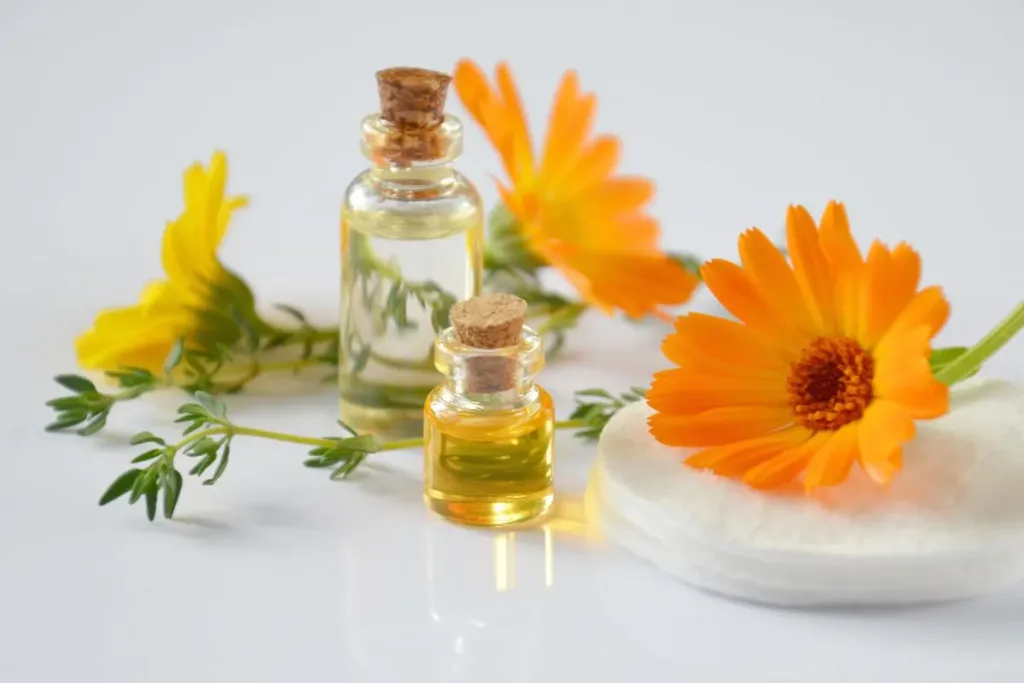
Calendula extract is derived from the vibrant marigold flower (Calendula officinalis) and has a long-standing history in herbal medicine for treating wounds, inflammation, and skin irritations. Its anti-inflammatory and antimicrobial properties make it especially beneficial for sensitive skin prone to redness, itching, or breakouts. Calendula supports skin regeneration, accelerates healing, and minimizes discomfort from conditions like eczema or contact dermatitis. It also enhances skin hydration and resilience, making it a gentle yet effective remedy for calming reactive skin.
9. Hyaluronic Acid
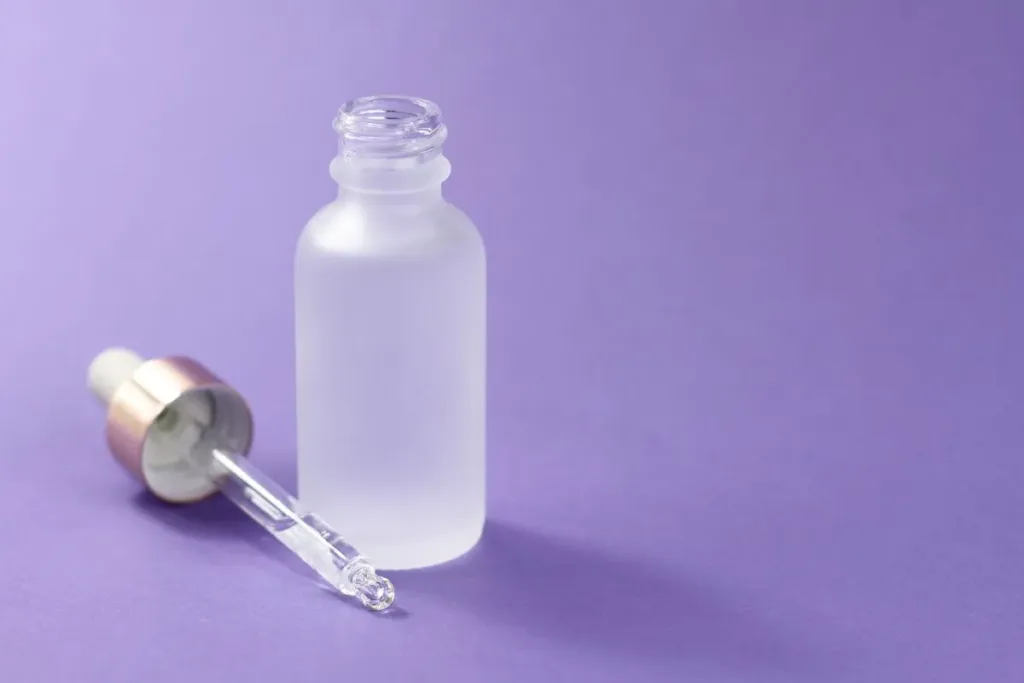
Hyaluronic acid is a sugar molecule naturally found in our skin and connective tissues, celebrated for its unmatched ability to retain water—up to 1,000 times its weight. In skincare, it acts like a moisture magnet, drawing hydration into the skin and plumping the outer layers for a smoother, more supple appearance. For sensitive skin, this means less tightness, flaking, or irritation. Its lightweight texture makes it suitable for all skin types, and its calming nature helps restore the skin’s moisture barrier without causing congestion or sensitivity.
10. Licorice Root Extract

Licorice root extract is obtained from the root of the Glycyrrhiza glabra plant and is prized in skincare for its soothing and brightening effects. It contains glabridin, a powerful antioxidant and anti-inflammatory compound that helps reduce redness, calm irritation, and inhibit the enzyme that causes skin discoloration. This makes it particularly useful for treating hyperpigmentation and post-inflammatory dark spots—common issues for those with sensitive skin. In addition to its calming effects, licorice root also helps enhance the skin’s natural defense mechanisms, offering both short-term relief and long-term skin tone improvement.
Hidden Irritants to Avoid
While you’re shopping for the best ingredients for sensitive skin, be wary of common culprits known to cause flare-ups:
- Fragrances (even natural ones like essential oils)
- Alcohols like ethanol or isopropyl
- Harsh exfoliants (like scrubs with walnut shells)
- Parabens and sulfates
- Synthetic dyes and preservatives
Choosing natural ingredients for skin doesn’t always guarantee safety—always do a patch test and check ingredient concentrations.
How to Build a Skincare Routine with Sensitive Skin in Mind
Creating an effective and soothing skincare routine isn’t just about what you use, but how and when you use it:
- Cleanser: Opt for sulfate-free, creamy cleansers with ingredients like aloe vera or oat extract.
- Toner: Avoid alcohol-based toners. Look for ones with chamomile or rose water.
- Serum: Niacinamide, centella, and licorice root serums are great options.
- Moisturizer: Choose rich, ceramide-based or shea butter moisturizers.
- SPF: Use physical sunscreens with zinc oxide or titanium dioxide.
Myth-Busting Natural Skincare for Sensitive Skin
Not all natural skincare is good for sensitive skin. Some botanical natural ingredients for skin (like tea tree oil or citrus oils) can be too harsh despite being natural. It’s essential to understand that natural skincare for sensitive skin requires both gentleness and balance.
Look for products that are fragrance-free, hypoallergenic, and dermatologically tested. Always read the full ingredient list.
Ingredient Combinations That Work Wonders
Some combinations amplify benefits without overwhelming your skin:
- Aloe Vera + Niacinamide: Calms and strengthens skin
- Centella + Hyaluronic Acid: Hydrates and heals
- Squalane + Shea Butter: Deep moisturization with zero irritation
- Oatmeal + Chamomile: Soothes eczema and flare-ups
These synergistic duos can help you build a skincare routine that restores and protects.
Trusted Product Types for Sensitive Skin Users
- Cleansers: Cream-based, micellar water, non-foaming
- Serums: Water-based with 5% or less active concentration
- Moisturizers: Barrier-repairing, non-comedogenic formulas
- Masks: Hydrating or calming with clay, oat, or centella
When in doubt, always choose simplicity. Less is more.
Tips to Make Sensitive Skin Happy
- Patch test every new product.
- Avoid using too many actives (acids, retinoids).
- Store skincare in a cool, dry place.
- Keep your skincare routine short and consistent.
- Choose brands that emphasize skin science and gentle formulations.
Conclusion: Your Skincare Starts with Smarter Choices
The journey to healthy skin begins with understanding what your skin truly needs. By using the best ingredients for sensitive skin, you equip your skin with the tools to heal, hydrate, and glow naturally. Say goodbye to guesswork and irritation—you now have a trusted list of skin-loving, science-backed natural ingredients for skin to guide your skincare choices.
Let your skincare journey be guided by kindness, both to your skin and your confidence. Because when your skin feels calm and comfortable, everything else feels a little bit better, too.
Call to Action:
Ready to experience the gentle power of nature? Explore our ingredient-rich skincare guides and shop sensitive-skin-safe products crafted with science and heart at Hudira.com. Let us help you glow with confidence!
FAQs
Q. What are the top sensitive skin ingredients??
Aloe vera, niacinamide, colloidal oatmeal, chamomile, and centella asiatica are excellent for calming and protecting sensitive skin.
Q. Are natural ingredients always safe for sensitive skin?
Not necessarily. Some natural ingredients like citrus oils or tea tree can irritate sensitive skin. Always do a patch test.
Q. How do I build a skincare routine for sensitive skin?
Focus on a gentle cleanser, soothing toner, calming serum, rich moisturizer, and mineral sunscreen.
Q. Can I use niacinamide daily?
Yes! Niacinamide is well-tolerated and can be used daily to strengthen your skin barrier and reduce redness.
Q. What should I avoid if I have sensitive skin?
Avoid fragrances, alcohols, sulfates, parabens, and abrasive exfoliants to prevent irritation.

4 comments
Pingback:
10 Powerful Benefits of Natural Skincare for Radiant SkinPingback:
The Real Difference Between Natural and Organic Skin ProductPingback:
8 Different Types of Milk Toners You Can Make at HomePingback:
8 Natural Skin Toner Recipes for Clear Skin